

Jordan’s calcium carbonate processing capacity is expanding, and the direction is clear: high-whiteness filler grades, with China and Southeast Asia among the target markets. For Chinese buyers of calcium carbonate, this is a change in the structure of available supply, and worth understanding in advance.
1. Why Jordan Is Expanding Calcium Carbonate
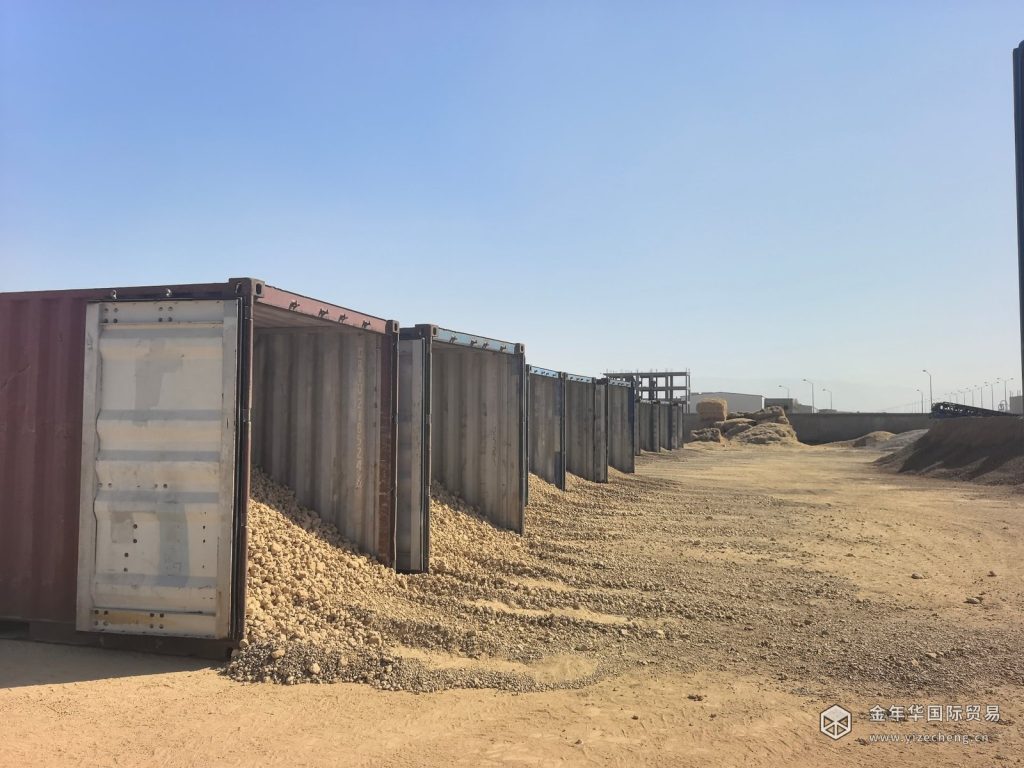
The main feedstocks for calcium carbonate are limestone, calcite and marble, and Jordan has favourable resource conditions in these categories, particularly for high-whiteness calcite-type deposits. Add proximity to the Red Sea route and a shorter sailing distance to Asia than European sources, and there are natural conditions for export-oriented processing capacity to take root.
The driver for expansion comes from the demand side. China’s calcium carbonate market has shown a clear structural pattern in recent years: mid and low-end capacity in ordinary ground calcium carbonate is in surplus and price competition is fierce, while ultrafine, surface-modified and food or pharmaceutical grades remain in short supply. What Jordan is expanding into is precisely that high-whiteness filler-grade gap.
2. How Competitive High-Whiteness Filler Grades Are
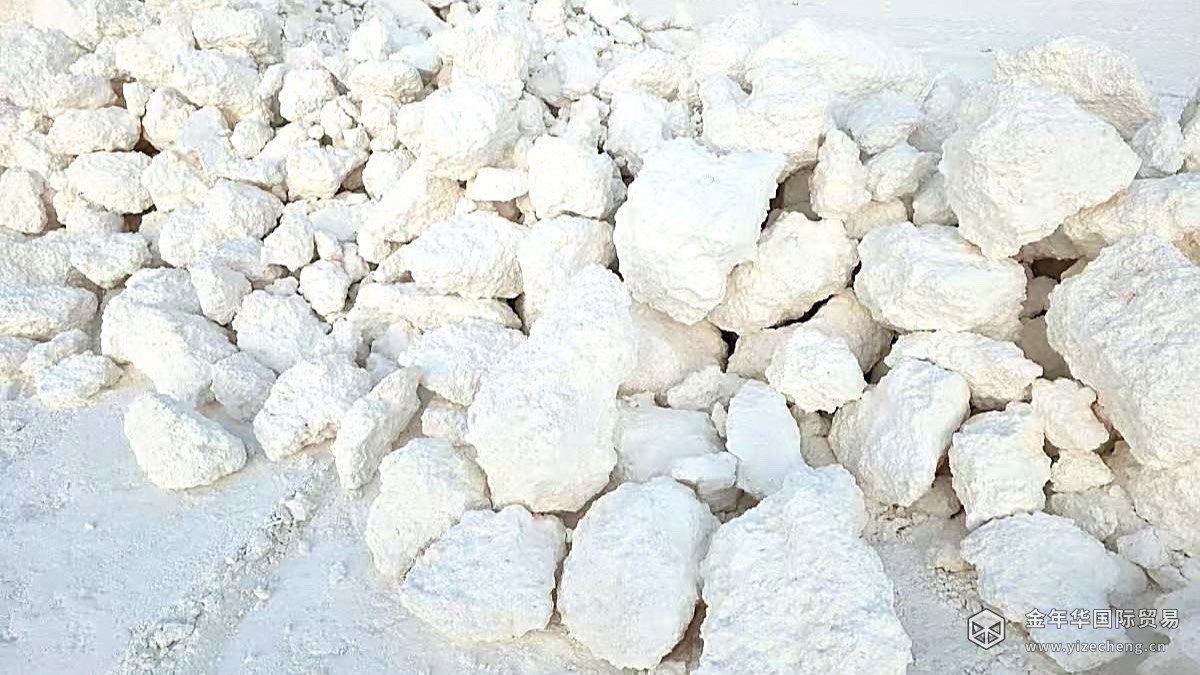
Whiteness is the most visible indicator for filler-grade calcium carbonate, but it is not what decides the final selection. Particle size distribution, oil absorption, the activation treatment and the coating ratio all affect how the product performs in resin or coatings. Jordanian supply has an advantage in ore whiteness and grade consistency, and a disadvantage in downstream processing and surface modification capability: the further up the grade ladder you go, the more visible that gap becomes.
Landed cost has to be calculated in full. Jordan’s sailing distance to major Chinese ports is not long, but disruption on the Red Sea route amplifies freight volatility. In the full delivered-cost picture, freight, foreign exchange and port charges take a significant share — the number on the quotation and the number at the plant gate are not the same thing.
3. What It Means for Chinese Buyers
The most direct effect is more supply options. Chinese plants using imported calcium carbonate previously looked mainly at Southeast Asian sources such as Vietnam and Malaysia; the arrival of Middle East supply provides a third reference point for price comparison. Diversifying sources reduces single-source risk in itself.
The other effect is that specification competition will concentrate further up the range. Ordinary filler grades are already an intensely price-competitive segment, and new capacity will struggle to earn a premium there; instead it will compete on ultrafine and modified products. Buyers can use that in pricing discussions to read a supplier’s positioning: if a quotation is clearly below the market, first establish which grade is actually being delivered.
The Middle East supply picture is also shifting this year. Egypt suspended new phosphate rock export contracts for a period while Jordan resumed supply, and the regional supply relationships are being rearranged; Egypt Halts New Phosphate Rock Export Contracts, Jordan Resumes Supply traces that thread. The ore logic behind calcium carbonate and phosphate rock differs, but policy and logistics conditions in the same region are shared.
4. What to Check When Selecting and Accepting
- Look at particle size distribution, not just mesh size. Two products at the same nominal mesh can differ sharply in D97 and fines content, and perform very differently in application.
- For activated grades, ask about the treatment agent and coating ratio. Stearic acid coating at around 3% is a common level; where the coating ratio is insufficient, compatibility suffers.
- Read whiteness and purity together. Whiteness affects appearance, while heavy metals and other impurities are hard limits in food and pharmaceutical grades.
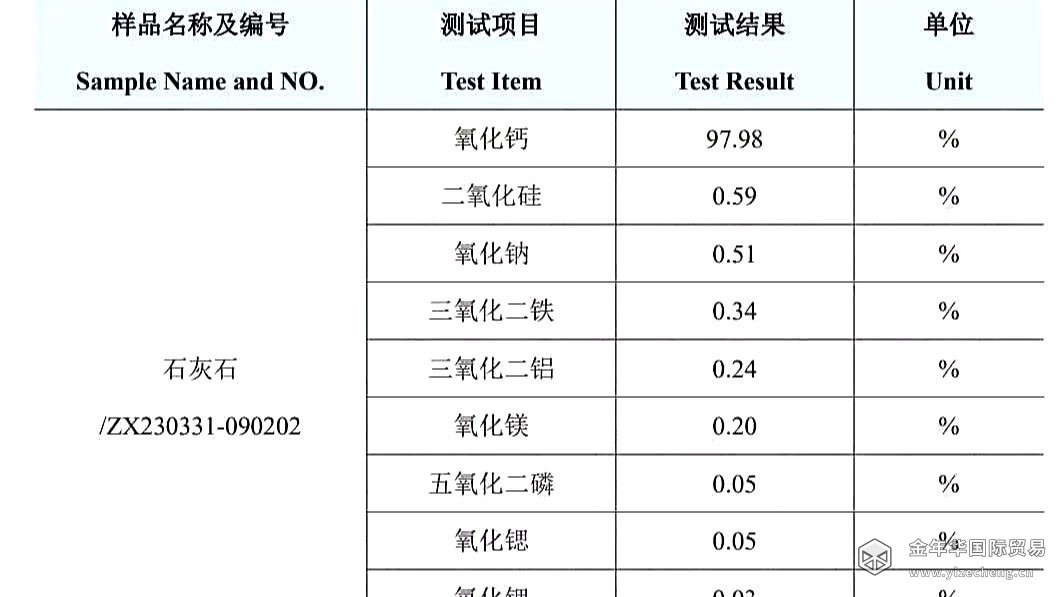
- Ask for lot-by-lot assay reports. For a bulk feedstock, batch consistency matters more than a single sample, and reports from different lots cannot substitute for one another.
A complete comparison table covering the specification differences and selection logic for ground, precipitated and activated calcium carbonate is in How to Choose Calcium Carbonate: GCC, PCC and Activated Grades. For the industry-level capacity picture and the structural gap, see Calcium Carbonate 2026: Overcapacity and Tougher Compliance.
Conclusion
Jordan’s expansion of high-whiteness calcium carbonate will not change the price structure of ordinary ground calcium carbonate in China in the short term, but it is a meaningful addition to the price comparison framework for mid and high-end filler grades. What buyers should do is request technical data and samples from Jordanian supply now, run them through their own process for compatibility, and hold the option in hand — rather than commissioning a trial at short notice when a price advantage appears.
Related Reading
How to Choose Calcium Carbonate: GCC, PCC and Activated Grades
Calcium Carbonate 2026: Overcapacity and Tougher Compliance
Egypt Halts New Phosphate Rock Export Contracts, Jordan Resumes Supply