

Home / Products
Mineral Product Catalogue
Specifications below are indicative — parameters can be tailored and graded to suit your process. Every mineral can be supplied direct from the mine or delivered to the discharge port you nominate. Click any mineral to see details, photos and video.
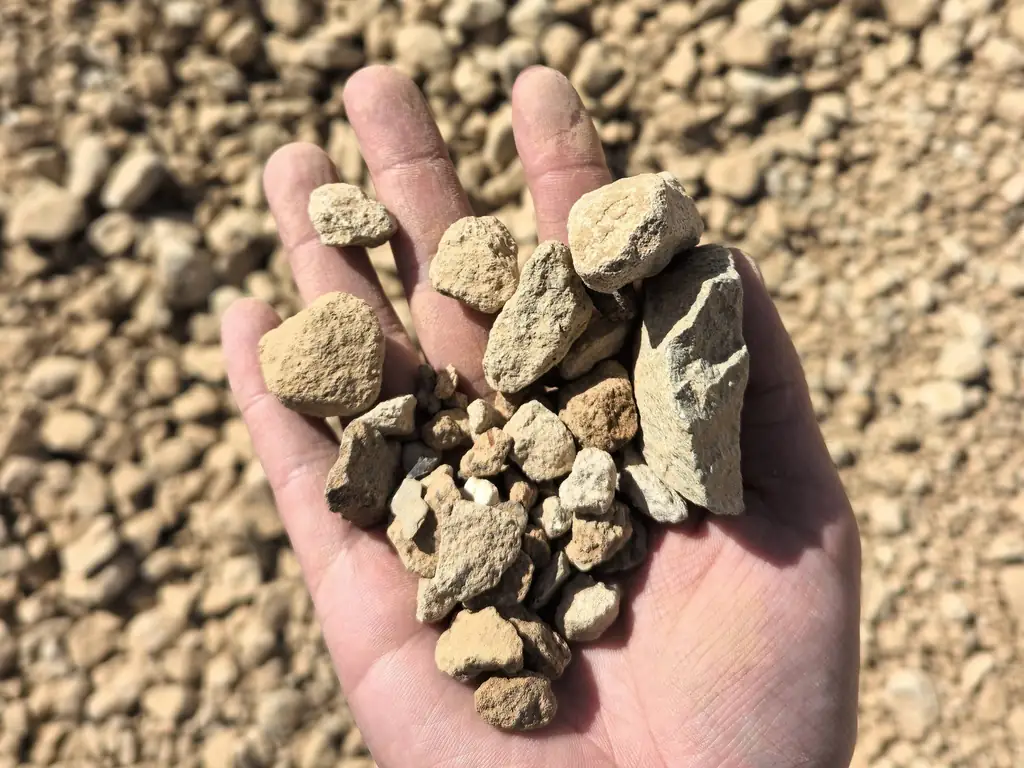
Egypt Phosphate Rock
Fertilizer FeedstockEgyptian sedimentary phosphate rock in medium to high grades — a base material for phosphate fertilizer and phosphoric acid.
- P₂O₅ Content: 28–32% (gradeable)
- Particle Size: Run-of-mine / fines (-200 mesh, adjustable)
- Packaging: Bulk / jumbo bags
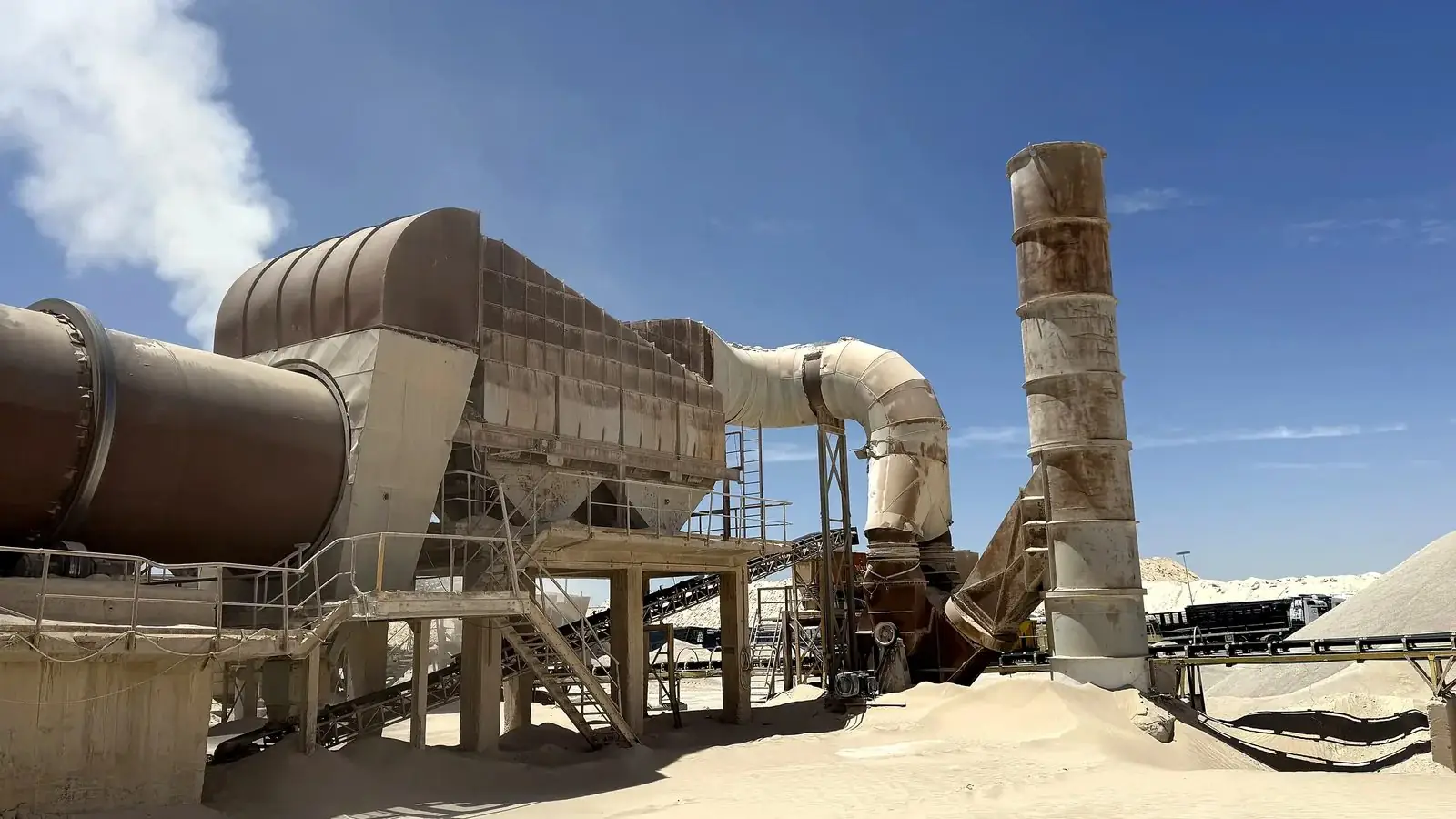
Jordan Phosphate Rock
Fertilizer FeedstockHigh-grade Jordanian phosphate rock, sourced directly across borders with steady supply for the fertilizer and phosphoric acid industries.
- P₂O₅ Content: 28–30% (gradeable)
- Particle Size: Run-of-mine / fines (-200 mesh, adjustable)
- Packaging: Bulk / jumbo bags
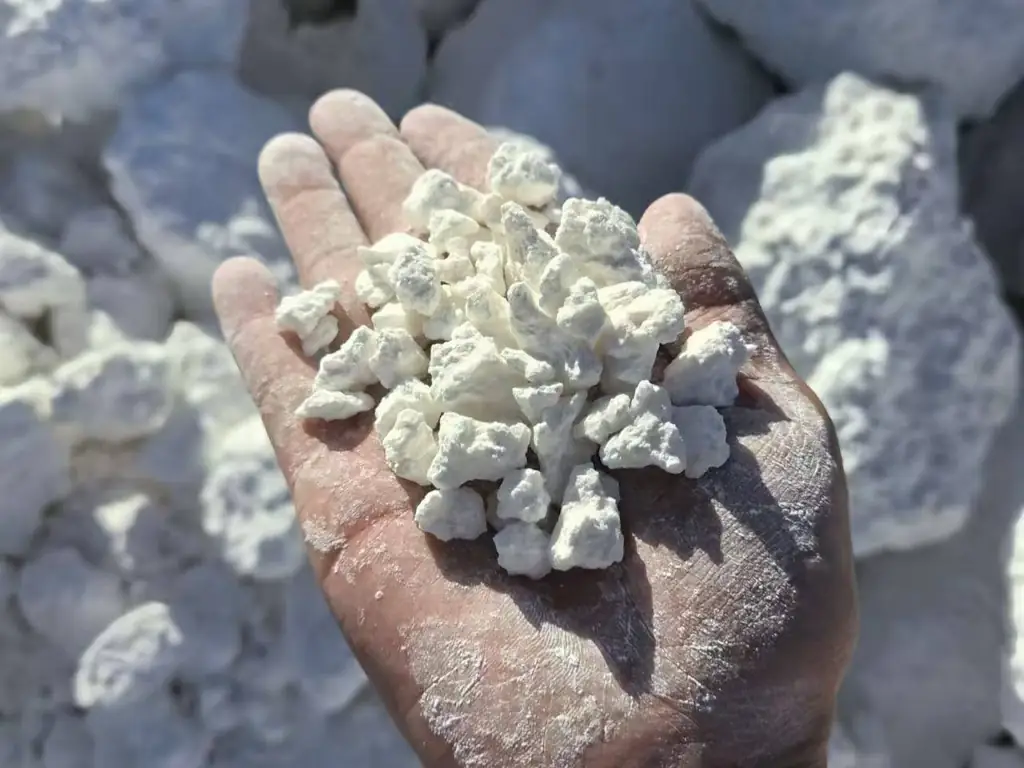
Calcium Carbonate
Construction · FillersHeavy and light calcium carbonate with high whiteness and low impurities, widely used as an industrial filler and construction material.
- CaCO₃ Content: ≥ 98%
- Whiteness: 92–96
- Fineness: 325–1250 mesh, adjustable
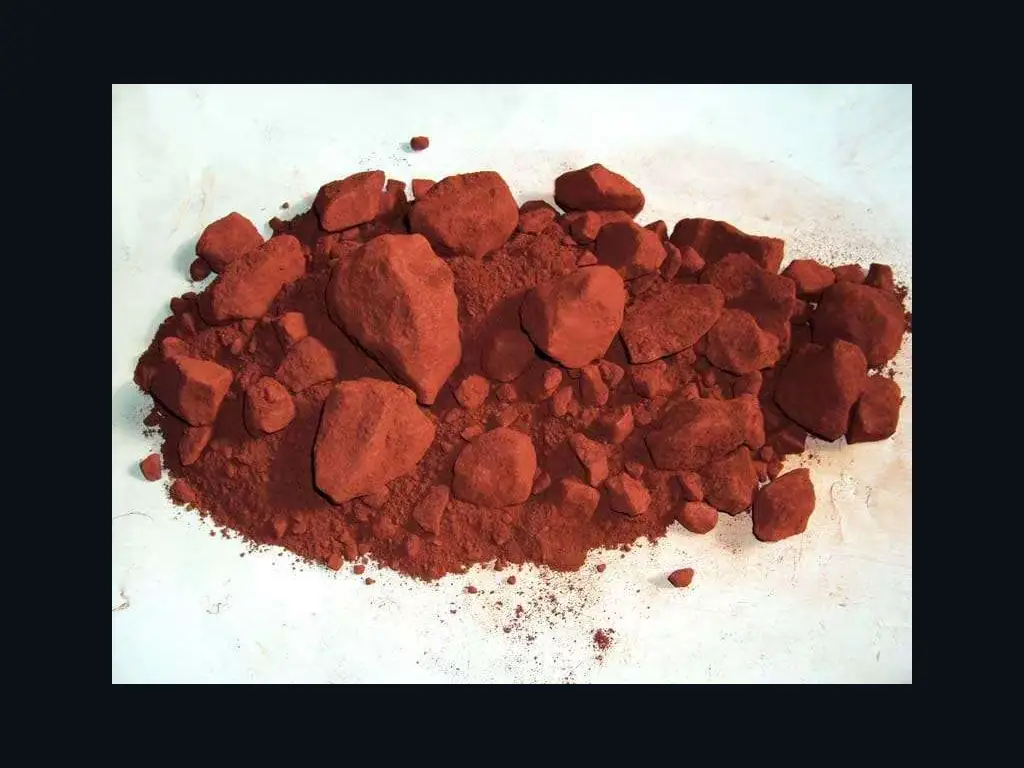
Iron Oxide Yellow
Pigments · ConstructionIndustrial-grade iron oxide yellow for pigments, coatings and building material colouring — consistent quality and continuous supply.
- Sulfur (S) Content: ≥ 45%
- Fe Content: approx. 40%
- Particle Size: Lumps / Fines
Grades, packaging and applications at a glance
The ranges below are our standard offers. Particle size, grading and packaging are confirmed against your process before loading, and every shipment travels with a third-party Certificate of Analysis.
| Mineral | Origin | Key parameters | Particle size | Packaging |
|---|---|---|---|---|
| Egyptian phosphate rock | Egypt | P₂O₅ 28% – 32%, graded on request | Run-of-mine or fines, −200 mesh adjustable | Bulk or jumbo bags |
| Jordanian phosphate rock | Jordan | P₂O₅ 28% – 30%, graded on request | Run-of-mine or fines, −200 mesh adjustable | Bulk or jumbo bags |
| Calcium carbonate | Egypt | CaCO₃ ≥ 98%, whiteness 92–96 | 325 – 1,250 mesh, adjustable | Bulk or jumbo bags |
| Iron oxide yellow | Middle East | Sulfur (S) ≥ 45%, Fe ≈ 40% | Lumps or fines | Bulk or jumbo bags |
Loading ports: Safaga (Egypt) · Aqaba (Jordan). Incoterms FOB / CFR / CIF. Minimum order from 2,000 t by container, or 50,000 t by bulk vessel. Payment by T/T.
From enquiry to loading
Four steps, with the assay and the documents you need to clear the cargo at your end.
Send your requirement
Grade, particle size, tonnage and the port you nominate. If you are comparing origins, tell us the assay window your plant can accept.
Origin matching
We match the requirement against producing mines in Egypt and Jordan, and confirm which material is available for the loading window you need.
Assay and grading
A Certificate of Analysis is issued by an independent third party, confirming grade, particle size and impurities for every shipment.
Loading and documents
Loading is surveyed at the port, and the Certificate of Analysis, packing list, bill of lading and certificate of origin travel with the cargo.
Buying questions we are asked most
Can you supply phosphate rock and calcium carbonate in one shipment?
Yes. Combining minerals on a single vessel is the usual way buyers hold freight down on a mixed raw-material programme. Phosphate rock from Egypt or Jordan, calcium carbonate and iron oxide yellow can be coordinated into one loading window and one set of documents.
What P₂O₅ grade can you supply?
Egyptian material typically runs 28% – 32% P₂O₅ and Jordanian material 28% – 30%, with grading adjustable to your process before loading. Tell us the P₂O₅ window and the impurity limits you can accept, and we will confirm availability for your loading window before quoting.
Do you provide an assay report before shipment?
Yes. Every shipment carries a Certificate of Analysis from an independent third party covering grade, particle size and impurities.
Which particle sizes and packaging can you supply?
Phosphate rock ships as run-of-mine or fines with −200 mesh adjustable; calcium carbonate is adjustable between 325 and 1,250 mesh; iron oxide yellow ships as lumps or fines. Bulk and jumbo bags are both available across the range.
How long does it take from enquiry to loading?
Lead time is approx. 10 days for a container shipment and approx. 15 days for a 50,000 t bulk cargo. The loading window is quoted together with the offer, and it depends on the grade and the vessel schedule rather than on availability alone. Send your specification and discharge port and we will confirm the earliest window we can hold.
Rock phosphate, phosphate rock, phosphate ore — one material, three names
Buyers use these interchangeably. Ore is what comes out of the pit; rock phosphate and phosphate rock describe the beneficiated product, graded by P2O5 content. Soft rock phosphate is the finer, more reactive grade used in direct application and in some fertiliser blends.
We supply consistent-grade rock phosphate on FOB terms — P2O5 28–32% from Egypt and 28–30% from Jordan, graded to your specification. Steady grade and a predictable shipping schedule matter more to most buyers than the highest possible P2O5 figure, and that is what we focus on. Content data travels with each lot.
Where our rock phosphate goes
Egyptian and Jordanian rock phosphate ships FOB to India, Malaysia and South Korea, with regular cargoes to buyers across South and South East Asia. We supply importers and fertiliser producers directly — P2O5 content and moisture data travel with each lot.
Cannot find a matching specification?
Tell us your process requirements and we will match the right origin and grading.
Four minerals, four applications: start from the end use, then the spec
Phosphate rock, calcium carbonate and iron oxide yellow all go into production lines, but different ones. The most common selection mistake is to compare price first and then look for a use — the order is backwards. Start from the problem: replenishing raw material, or acting as filler; supplying nutrients, or supplying colour and opacity. Once that is fixed, the specifications become meaningful.
Phosphate rock: the phosphorus source
Phosphate rock is processed for P₂O₅, then into phosphoric acid, then into DAP/MAP fertilisers or feed-grade phosphates. Selection turns on the grade range and secondary indicators — high magnesium raises acid consumption and drives scaling, while fluorine and heavy-metal content determines whether food or feed grades are permissible at all. Egypt and Jordan are the two principal Middle East sources, differing in mining rights, export policy and availability.
Each mineral has its own detail page listing content ranges, particle size and applications, so you can compare directly against your process requirements.
Calcium carbonate: the highest-volume inorganic filler
Calcium carbonate serves plastics, coatings, paper, rubber and building materials, but GCC and PCC are different products: GCC is crushed and graded limestone — cheaper, whiteness capped by the parent rock; PCC is chemically precipitated — costlier, with better control of whiteness and particle size. The core question is whether your matrix and process genuinely require PCC.
Iron oxide yellow: colour and opacity
Iron oxide yellow is the most fundamental yellow among synthetic inorganic pigments — chemically stable, strongly tinting and lightfast. The key indicators are tinting strength (which drives dosage cost), shade consistency (which decides whether batches look alike), fineness and dispersibility (which prevent mottling), and weather and heat stability (which decide suitability for exterior or high-temperature processing). Durable applications such as architectural and automotive coatings normally favour it.
Side by side: key indicators across the four minerals
- Primary use:DAP/MAP fertiliser, phosphoric acid, feed-grade phosphates
- Core indicator:P₂O₅ range; CaO/MgO ratio; moisture; particle size
- Form:Run-of-mine or ground (to -200 mesh)
- Origin:Egypt (Red Sea coast), Jordan
- Selection driver:Acid consumption and scaling limits of the downstream process
- Calcium carbonate — primary use:Filler for plastics, coatings, paper, rubber and building materials
- Core indicator:CaCO₃ content; whiteness grade; fineness and PSD; surface treatment
- Form:GCC or PCC
- Selection driver:Matrix and process decide whether treatment and morphology matter
- Iron oxide yellow — primary use:Pigment for coatings, paints and building materials
- Core indicator:Tinting strength; shade consistency; fineness and dispersibility; weather and heat stability
- Form:Lump or powder
- Selection driver:End-use environment (interior/exterior) and processing temperature
Six steps in importing minerals: from enquiry to stock
Importing minerals looks like quote-order-pay-deliver, but the real trouble sits in between: specification wording, inspection arrangements, documents, sailing confirmation and inland discharge. Working through these six steps avoids most disputes.
Step 1: fix the specification before enquiring
State both the main and secondary indicators in one go: for phosphate, the P₂O₅ range, CaO/MgO ceiling, moisture and particle size; for calcium carbonate, CaCO₃ content, whiteness grade and fineness; for iron oxide yellow, tinting strength, shade tolerance and fineness. Quoting a single number invites incomparable offers and later disputes.
Step 2: confirm the source and export qualification
Export policy in Middle Eastern producing areas has shifted noticeably, with mining rights concentrated among a few large operators. Before contracting, confirm which mine the cargo comes from and whether the seller currently holds export qualification. For long-term supply, understanding who holds the mining right matters more than a low quote.
Step 3: agree sampling and inspection
An independent third party takes samples and assays before loading, with the COA travelling with the cargo; a buyer-nominated laboratory (e.g. SGS) is acceptable. Three things decide whether a re-test is meaningful: joint or agreed third-party sampling, complete seal and chain-of-custody records, and an agreed analytical method plus umpire laboratory.
Step 4: build the landed cost properly
FOB is only the starting point. Real delivered cost adds international freight and insurance, import duty and VAT, terminal and demurrage charges, inland transport and warehousing, and FX effects. Middle East routing is geopolitically sensitive, and rerouting lifts both freight and premiums. Ask for an itemised landed-cost breakdown rather than a single figure.
Step 5: align customs documents early
Documents include the COA, packing list, bill of lading, certificate of origin, plus contract, invoice and customs entrustment. The certificate of origin is decisive — preferential duty treatment must be confirmed before booking, not repaired after arrival. The HS classification and declaration basis (notably the 2510.10 / 2510.20 distinction) also need confirming upfront.
Step 6: arrange discharge and re-testing on arrival
Discharge, stockpiling and sampling after arrival raise their own issues. Bulk cargoes involve reconciling draught survey with bill-of-lading weight, and discharge loss plus retained-sample records should be documented. Agree an arrival re-test mechanism in advance so that any discrepancy with the loading report follows a pre-agreed path rather than ad-hoc negotiation.
Product pages and further reading
Products and supply: common questions
Q1: can the four minerals be combined in one order?
Different minerals may ship from different ports and modes, so the usual practice is to book each mineral separately and consolidate on arrival and inland delivery. If your requirements fall in the same port window, a combined enquiry can secure better sailing and terms. Tell us your combination and we will propose what is feasible.
Q2: can specifications be tailored to our process?
Yes. Phosphate particle size, calcium carbonate fineness and treatment, and iron oxide form and fineness are all adjustable within limits. The key is stating your process requirements — matrix type, processing temperature, target performance and annual volume — so we can match a grade and supply samples.
Q3: what are the minimum order and lead time?
From 2,000 t per container and 50,000 t by bulk vessel; lead time roughly 10 days for containers and 15 days for a 50,000 t bulk cargo. Combined supply capacity across our Egypt and Jordan programmes is 500,000 t per month. Sailing windows are confirmed with booking.
Q4: can we sample before committing to a bulk order?
Yes, contact us to arrange samples. As sample and bulk production may differ, the formal order is governed by the pre-shipment third-party assay. We document the correspondence between sample and production batches so expectations match reality.