

Calcium Carbonate
Heavy and light calcium carbonate with high whiteness and low impurities, widely used as an industrial filler and construction material.
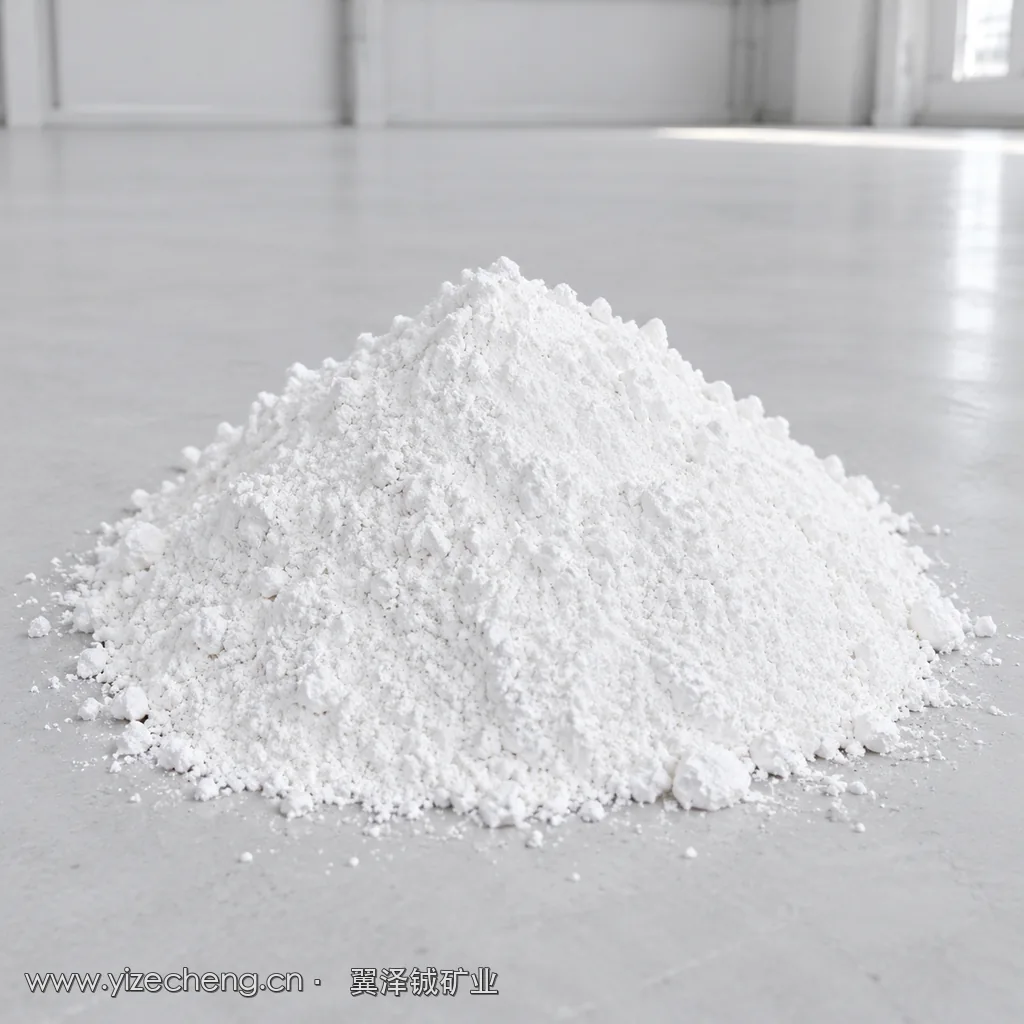
Ore Properties & Applications
High whiteness and low impurities with adjustable particle size, suited to fine processing across industries. We supply end to end from raw material to grading for plastics, coatings, paper and more.
- CaCO₃ Content: ≥ 98%
- Whiteness: 92–96
- Fineness: 325–1250 mesh, adjustable
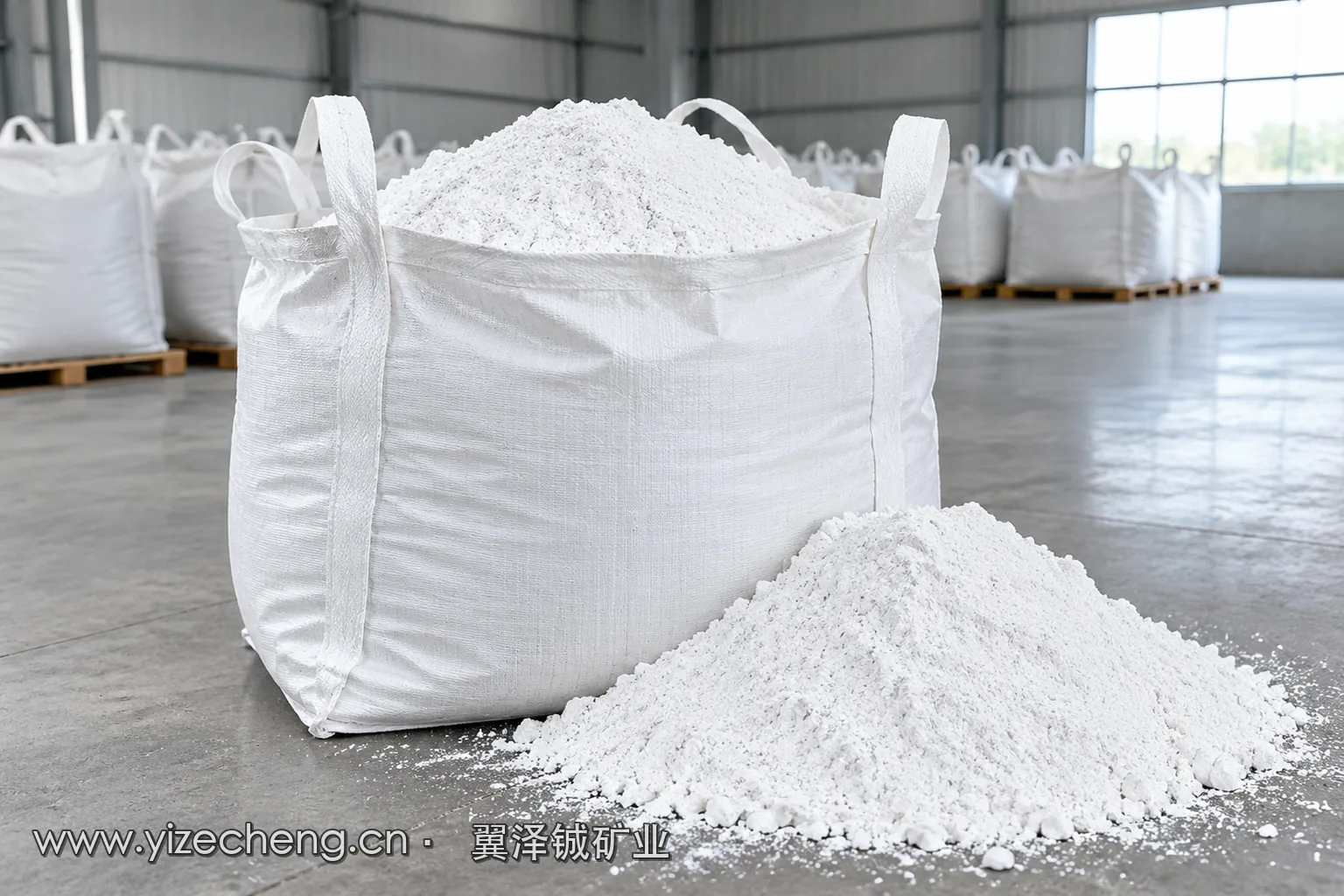
- Packaging: 25 kg bags / jumbo bags
Applications: Plastics, coatings, paper, rubber and building materials.
Request a Quote →Gallery
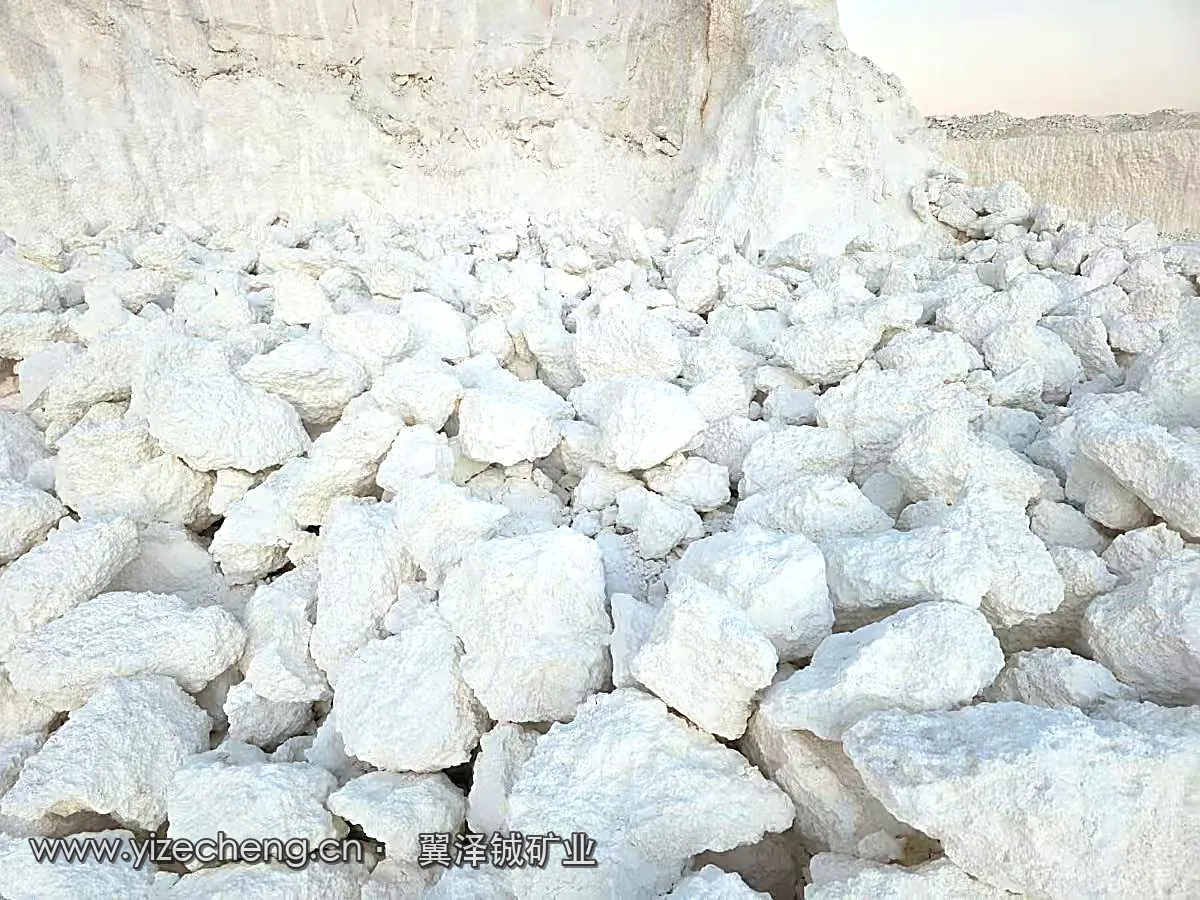
Photos of the ore and assay reports — a clear look at product quality.
Sourced at origin, exported worldwide
We source phosphate rock from mines in Egypt and Jordan, and calcium carbonate from Egypt, exporting to destinations worldwide through our Dubai trading entity — direct from origin, no transit through China.
Tell us your destination port, and we will quote FOB from the loading port or CFR/CIF to your nominated port.
GCC or PCC: which grade fits your line
Industrial calcium carbonate comes in two forms. Ground calcium carbonate (GCC) is milled from natural limestone or marble; precipitated calcium carbonate (PCC) is produced chemically, giving a tighter particle-size distribution. GCC suits plastics, paints and paper filler, while PCC is chosen where brightness and uniformity matter more.
Both are supplied as bulk powder in 25 kg bags or one-tonne jumbo bags, shipped FOB from Egyptian ports. Grade, whiteness and fineness determine the price per tonne — send your specification and we will come back with a wholesale quotation.
Where our material goes
Our order book includes regular FOB shipments to India, Malaysia and South Korea. We supply bulk calcium carbonate — GCC and PCC grades — to buyers across South and South East Asia, dispatched from origin with no transit through China.
Need a quote for calcium carbonate?
Tell us your fineness and volume — we reply with a proposal within one business day.
GCC or PCC: a practical comparison for filler buying
Calcium carbonate is one of the most widely used inorganic fillers, yet the term covers two quite different products: GCC (ground calcium carbonate) is produced by crushing and grading natural limestone, while PCC (precipitated calcium carbonate) is synthesised by chemical precipitation. Their cost structure, particle characteristics and suitable applications differ substantially, and choosing wrongly affects both performance and cost.
The fundamental difference
GCC is crushed and screened, so its cost is driven by the ore resource and grinding process — lower unit price, with whiteness capped by the parent rock. PCC is precipitated chemically: higher cost, but higher whiteness, finer and more regular particle morphology, and a surface amenable to treatment. In short: do not move to PCC where GCC already works.
Whiteness and fineness: where buyers most often overpay
Ask whether whiteness is natural or activated, and whether there is any yellowing risk from sulphides. For fineness, look at the particle size distribution rather than just the mean — two powders with the same D50 can behave very differently in dispersion and reinforcement. Requiring a distribution curve and a whiteness test report is far safer than asking only for mesh count and whiteness grade.
Match the grade to your industry
In plastics, reinforcement and the balance of flow matter more than whiteness — particle morphology and distribution lead. In coatings, opacity, whiteness and dispersibility dominate, and flat-shaped GCC often wins. In paper coating, high whiteness and the top-size cut matter. In rubber reinforcement, activated grades and dispersibility are the priority. The same CaCO₃ content carries different value across industries, so state your end-product requirements before discussing grades.
Surface treatment: a step worth not skipping
Untreated calcium carbonate tends to agglomerate in a polymer matrix and disperse poorly, giving inconsistent performance. Common treatments use silane or titanate coupling agents to improve interface bonding. Whether treatment is needed depends on your matrix and process — if skipped, the extra dispersant needed to compensate later usually costs more than buying treated material upfront.
Landed cost and supply reliability
Calcium carbonate unit price is not high, but terminal and demurrage on a full container spread over a tonne is significant, so booking efficiency directly affects delivered cost. Also confirm the supplier has stable mining and grading capacity — some traders only resell and go short during heavy season or port congestion. We supply from raw material through grading, with adjustable fineness matched to your industry.
QC and batch consistency
The main risk in filler buying is batch variation. Whiteness and particle distribution can drift between batches of the same grade, destabilising downstream production. Agree batch acceptance criteria in the contract, require a test report with each shipment, and for large volumes consider third-party sampling and re-testing, with the dispute mechanism written in advance.
Calcium carbonate buying — where to read next
Calcium carbonate: common questions
Q1: why is there such a price gap between GCC and PCC?
The gap is mainly manufacturing cost. GCC is mechanical crushing, so cost follows grinding technology and energy prices. PCC requires chemical precipitation, multiple process steps and tighter control — higher energy use and equipment investment. Part of the difference also reflects PCC's added value in whiteness and particle control.
Q2: what does a whiteness of 92–96 mean?
It is the conventional whiteness scale for fillers, where a higher value means whiter. Always ask which test standard and conditions apply — values from different methods are not directly comparable. In light-coloured products or coatings, whiteness differences visibly affect final appearance.
Q3: what goes into the delivered cost of imported material?
Beyond FOB: international freight and insurance, import duty and VAT, terminal and demurrage, inland transport and warehousing, and FX effects. Because calcium carbonate unit price is relatively low, charges spread per tonne are proportionally more visible — ask for an itemised landed-cost table.
Q4: can fineness be tailored to my industry?
Yes. We supply from raw material through grading with adjustable fineness (325–1250 mesh) and can match the particle distribution to your industry. Tell us your matrix, process and target performance, and we will propose a suitable grade.