

Home / QC Reports
Third-Party Inspection Report
Every shipment is assayed for composition and quality by an independent third party, with reports attached. Display details are mosaicked and watermark-protected for viewing only; downloads are not provided.
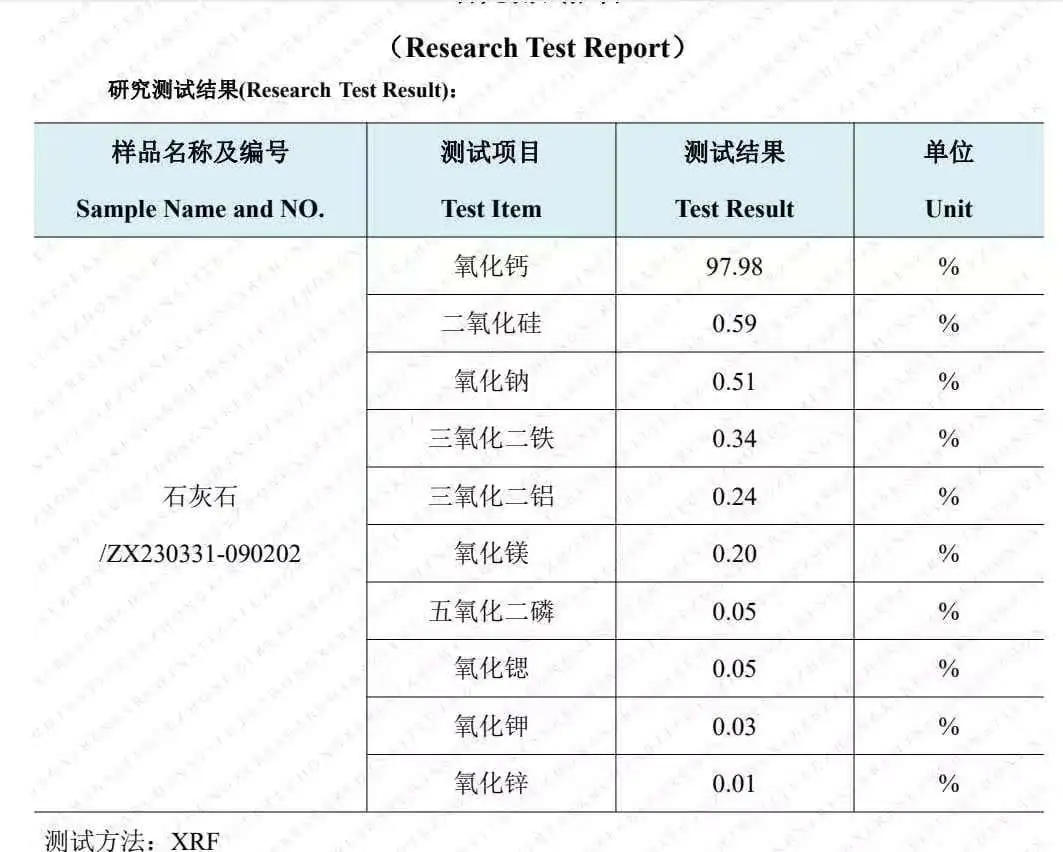
QC Report Gallery
Listed newest first by assay month; key details are redacted and watermarked. For commercial needs, contact us for the full report.
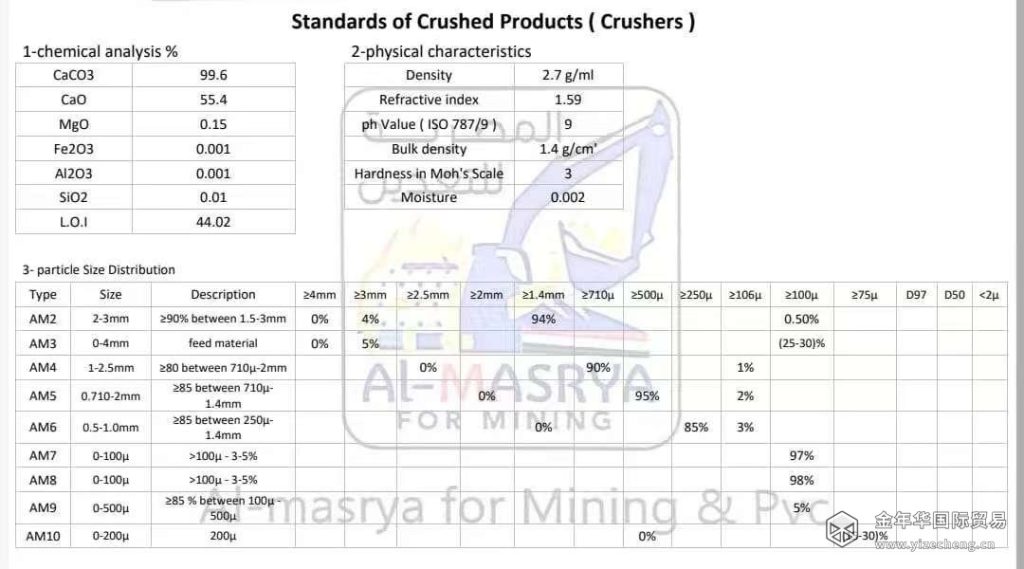
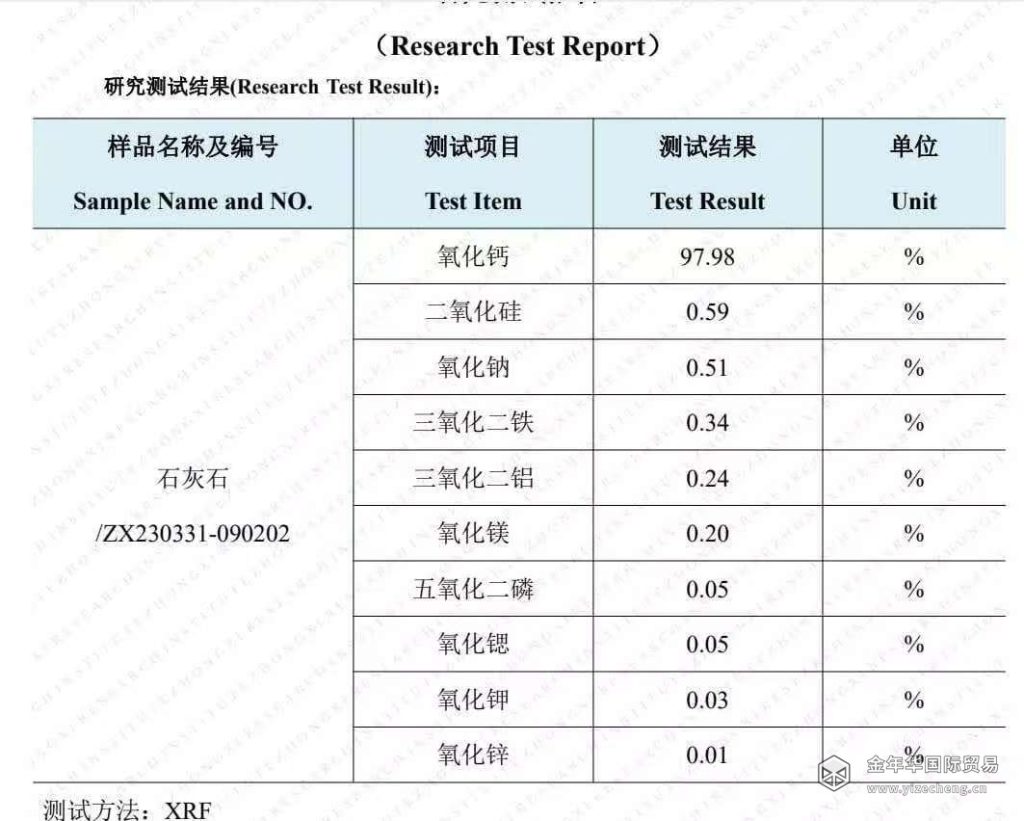
About the QC Reports
Listed newest first by assay month; key details are watermarked. For commercial needs, contact us for the full report.
How to read a certificate of analysis: key fields explained
The third-party certificate of analysis is the most important document in an imported mineral purchase, yet it is often treated as an attachment — received with the cargo but never checked field by field. In reality every field corresponds to a clause that can generate a dispute. Reading the report properly is equivalent to installing acceptance criteria into the contract in advance.
The header: three things to confirm first
A credible certificate must answer three things in its header: who performed the test (laboratory name and accreditation), which sample the result represents (batch, vessel, loading date), and the unique report number. Without all three, the report may not correspond to your cargo.
The primary assay field: not the more the better
Phosphate is read on P₂O₅, calcium carbonate on CaCO₃ content, iron oxide yellow on iron and sulphur content. What matters is not which number is higher but whether it falls within your contracted range, and whether the analytical method matches the one you specified — the same 30% P₂O₅ can be reported differently under different methods, which directly affects settlement.
Secondary indicators: the real source of disputes
For phosphate, watch the CaO/MgO ratio — high magnesium sharply raises acid consumption and drives scaling; watch moisture, which shifts actual delivered weight in transit; watch silica, fluoride and heavy metals, which determine whether food or feed grades are permissible. For calcium carbonate, watch whiteness grade, particle distribution and moisture; for iron oxide yellow, moisture and residue on sieve. Each should be contractual and compared against the report.
Analytical method and acceptance basis
The certificate should state the standard or method used. Different methods can yield different results on the same sample, so the contract must specify which method applies and how conformity is judged, rather than debating after the report arrives. If results are disputed, agree a re-testing procedure and an umpire laboratory in the contract.
Sampling and retained samples: what backs the certificate
A certificate is only as good as the sampling behind it. Sound practice takes increments from multiple points across the cargo, blends and reduces them to analysis particle size, with sampling witnessed jointly or by an agreed third party, and retains a sealed sample. Retained samples matter: if arrival re-testing disagrees with the loading report, the retained sample is the only traceable evidence.
Arrival re-testing: worth keeping the right
Even a correct loading report can be affected by long transit and stockpiling — moisture pickup, contamination, discharge loss. Agreeing an arrival re-testing mechanism in the contract, with clear deviation thresholds for rejection or proportional price adjustment, is far stronger than negotiating afterwards. We accept buyer-nominated laboratories such as SGS.