

Home / Logistics & Delivery
Cross-border logistics with port delivery and full-chain visibility
From loading in Egypt and Jordan to customs clearance and delivery at your plant, we handle ocean freight, insurance and clearance end to end so you can focus on production.
On-Site Footage
Real footage of loading, ports and transit, updated regularly.
Cross-border logistics footage
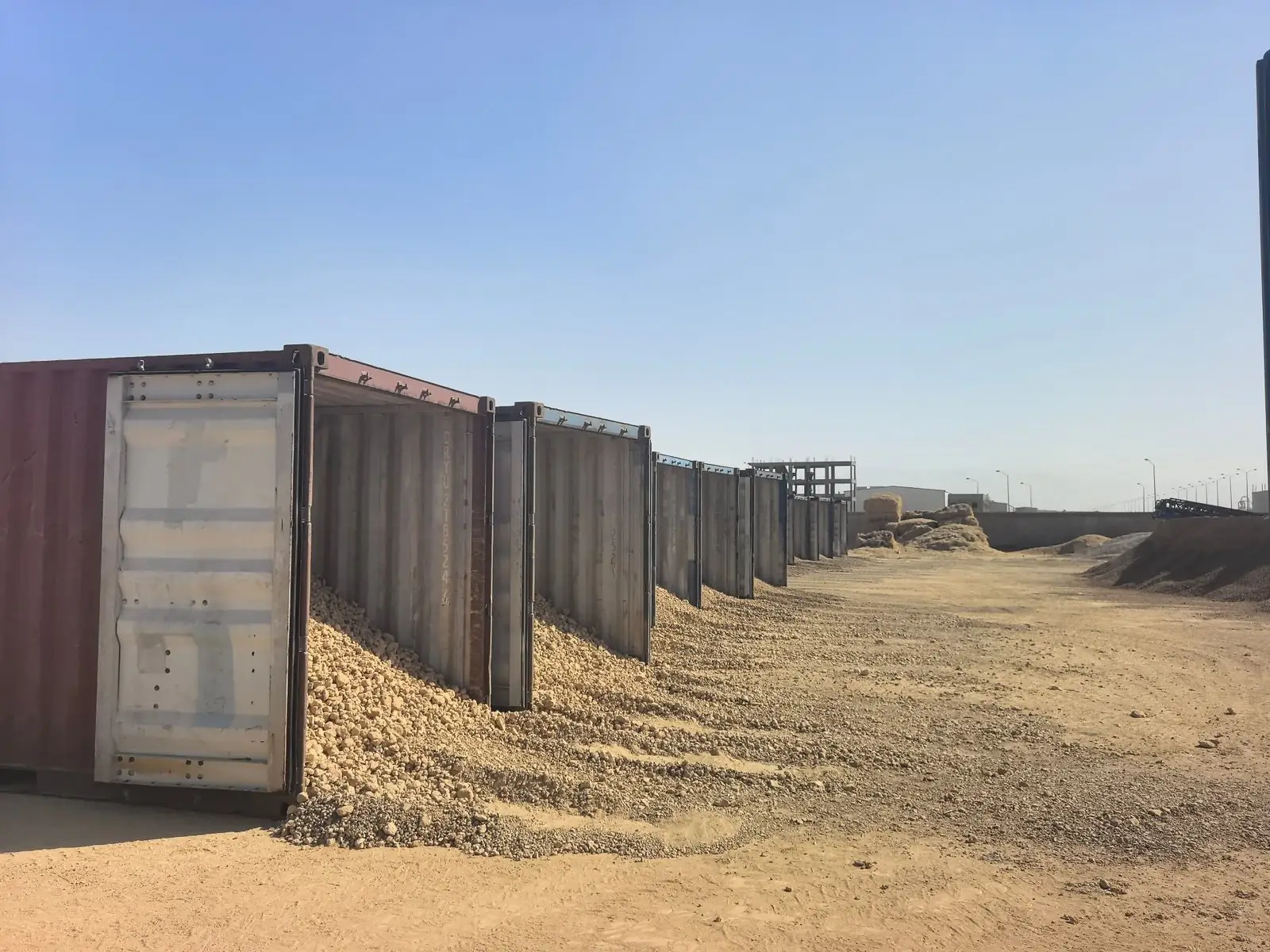
A real record of container stuffing, port scheduling and break-bulk loading.
 Break-bulk / container vessel loading
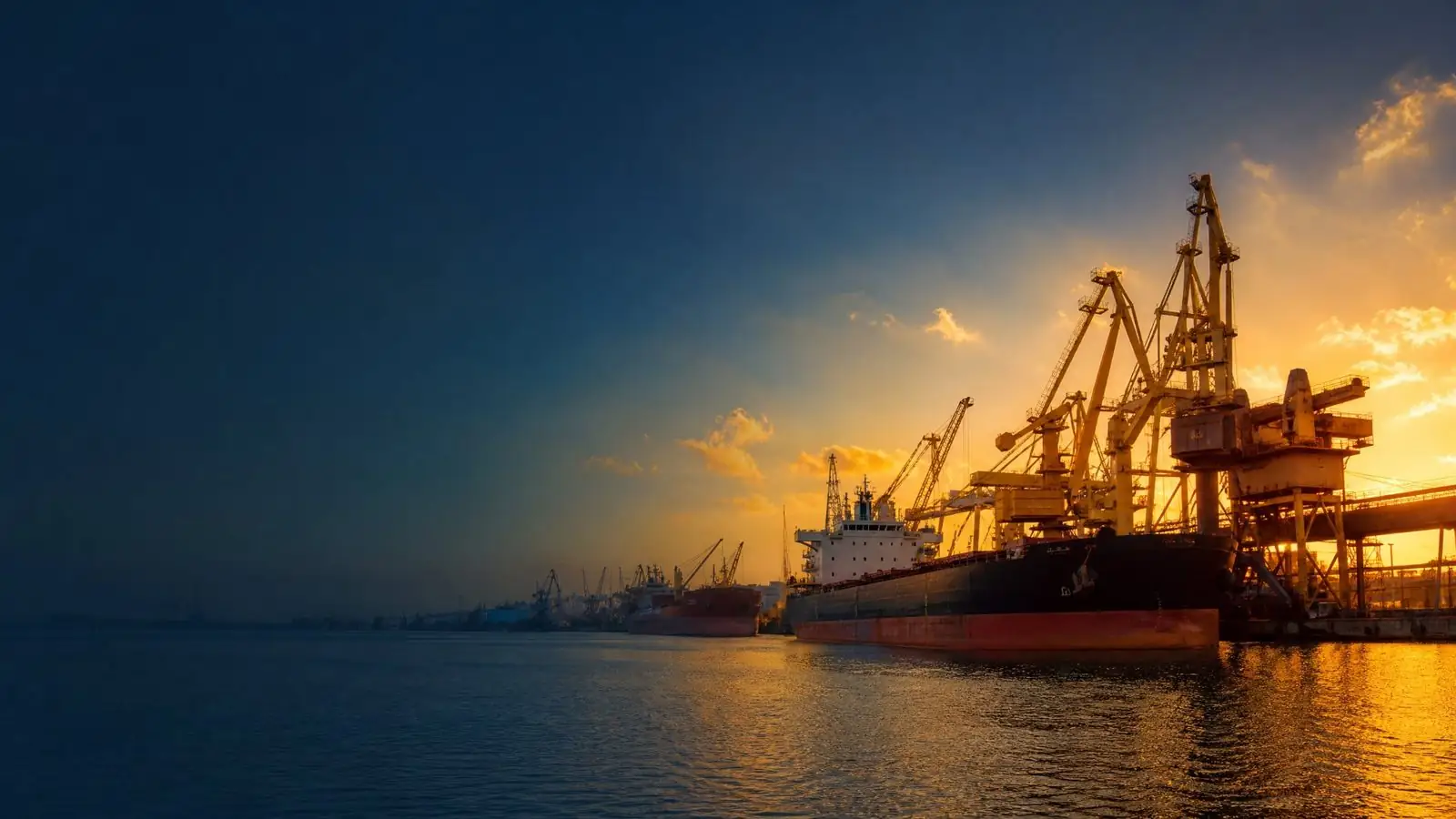
Port operations at sunset
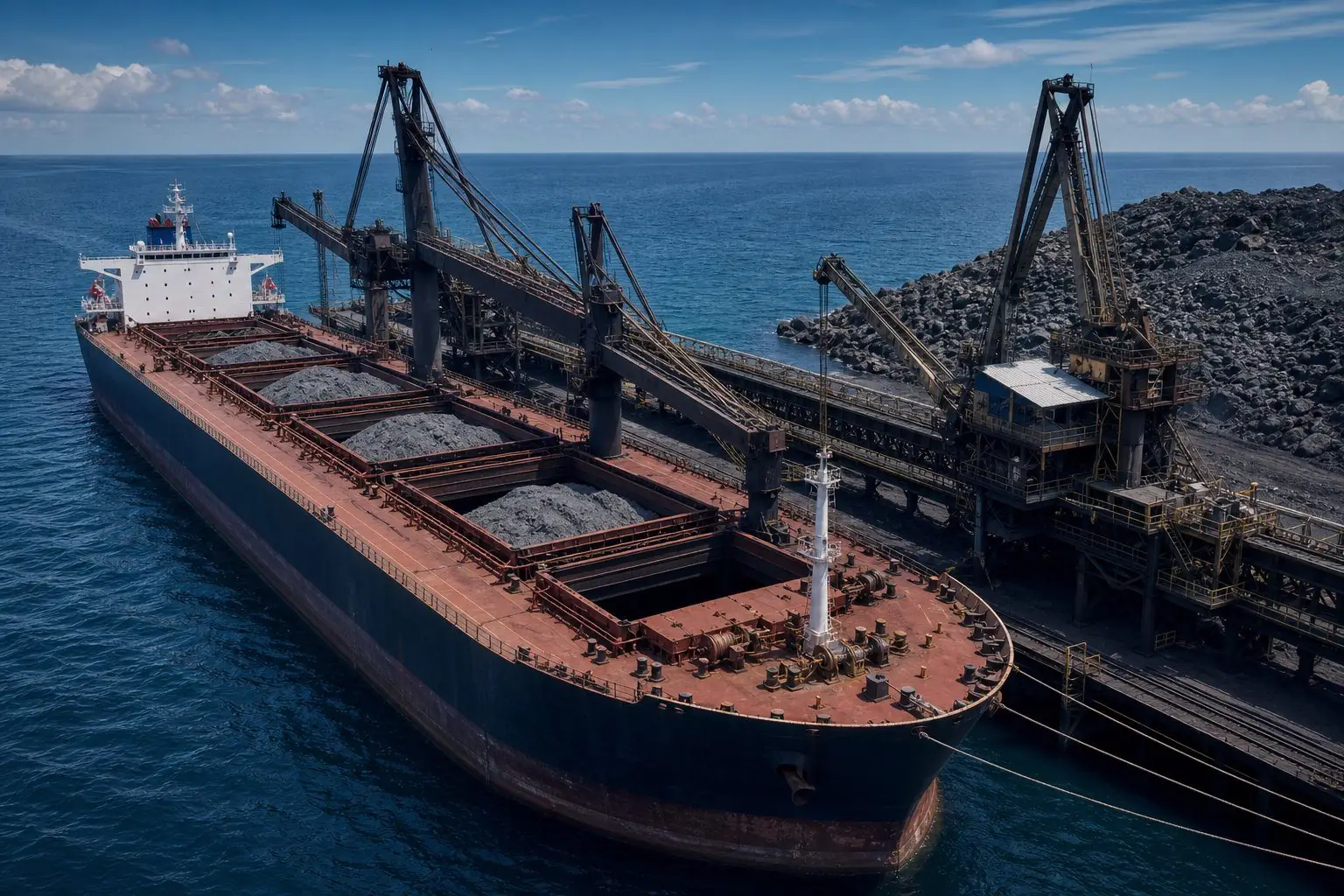 Break-bulk vessel loading at the quay
Logistics Gallery
Our Cross-Border Delivery Capability
Ocean Freight
Container and break-bulk options with flexible stowage by volume; direct sailings or transshipment to optimise cost.
Stuffing & Insurance
Professional stowage and lashing plus all-risk cargo insurance reduce damage and transit risk.
Customs & Delivery
Customs clearance and inspection at the destination port, delivery to your plant or warehouse, then settlement.
In-Transit Tracking
Vessel schedules and in-transit milestone updates keep you on top of where your cargo is.
Global Port Network
Handled through the discharge port closest to your plant, keeping inland freight and cost down.
Reliable Transit Times
Proven routes and customs expertise make lead times predictable and committable.
Delivery Port
Delivery to the discharge port you nominate — bulk or container cargo
From the Middle East to your plant: the full route of one cargo
For seaborne imported minerals, most of the time and cost sits in the route rather than the cargo itself. Breaking the journey from mine to plant into segments explains why the same material carries different quotes and different arrival times. Below is how a typical shipment is composed.
Mine to loading port: the inland leg
The inland leg — haul truck, rail or conveyor — affects loading efficiency and yard turnover. Egyptian cargo typically moves through Safaga; Jordanian cargo uses Aqaba among others. Excessive stockpiling introduces moisture and dust contamination risk, so loading windows must line up closely with mine dispatch.
Booking and loading
Container and bulk loading differ: containers from 2,000 t with about 10 days lead time; bulk vessels from 50,000 t with about 15 days. Sampling and third-party assaying are completed before loading, with the report travelling with the cargo. Bulk stowage involves stowage planning — poor planning creates hull stress and discharge-order problems, so confirm with the carrier in advance.
Route and insurance
Middle East routing is geopolitically sensitive. When the Red Sea situation tightens, routing around the Cape of Good Hope lengthens the voyage and raises both premiums and freight. Build this into the model before booking, and agree in the contract how route-driven cost changes are shared.
Arrival and customs clearance
After arrival, the decisive items are the declaration basis and complete documents. Tariff classification for phosphate rock (the 2510.10 / 2510.20 distinction) drives duty cost, and the certificate-of-origin scheme determines preferential treatment — confirm before booking. Demurrage and terminal charges can rise sharply in peak season, so line up discharge resources early.
Inland discharge and delivery to plant
Bulk cargoes require reconciling draught survey with bill-of-lading weight, and discharge loss must be documented. Stockpiling and sampling at your plant also follow the agreed procedure. These steps look routine but determine the final settled quantity and whether quality disputes can be resolved with evidence.