

Bulk or container is a question mineral importers cannot avoid. There is no fixed answer: it depends on volume, cargo value, the physical characteristics of the material and conditions at the destination port. Choose wrong and the freight on a single shipment can differ by a wide margin — or the cargo may not arrive on schedule at all.
1. Start With Volume and Value
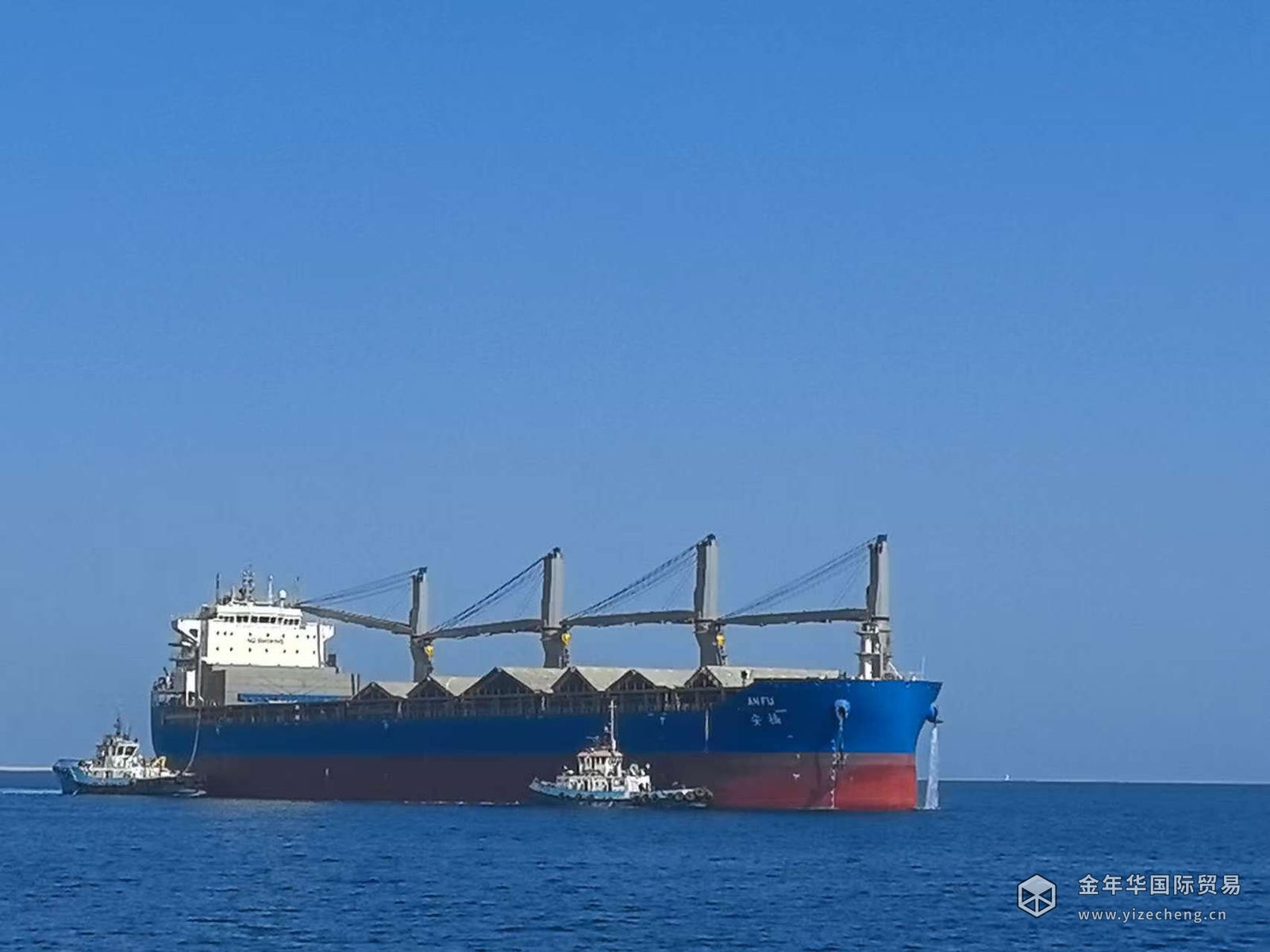
The unit freight advantage of a bulk carrier comes from scale. A Handysize or Supramax vessel loads twenty to thirty thousand tonnes at a time, spreading fixed port charges and voyage costs across every tonne, which brings the per-tonne rate down. But that also sets a threshold: if the volume is too small, chartering a whole vessel does not pay, and the alternative is to consolidate a parcel or wait for the next sailing, which removes flexibility.
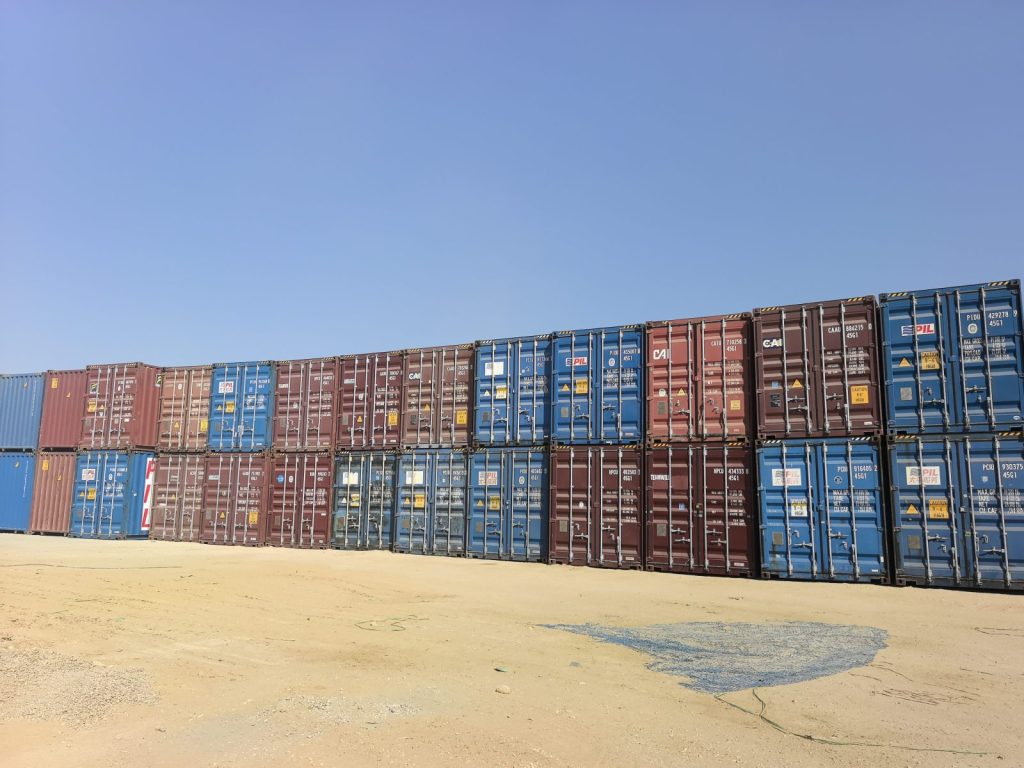
Containers work the other way round. Charged by the box, they can carry a few hundred tonnes, sail on dense and fixed schedules, and offer predictable delivery dates. The price is a higher unit freight, and because container weight is capped, dense cargo may not fill the box before hitting the limit — you still pay for the whole container.
The general rule is that bulk commodities of low value, such as run-of-mine phosphate rock or pyrite, move by bulk carrier, while high-value, small-volume or powder products go in containers. It is not an iron law, but it holds as a starting point.
2. Cargo Characteristics Can Change the Answer
Moisture protection is the factor most likely to overturn the conclusion. Mineral powders cake when they take on moisture, which affects downstream processing. A container is inherently more sealed than a bulk hold and can take desiccants, so fine calcium carbonate and nano-grade calcium are often shipped in containers even when the volume is not small.
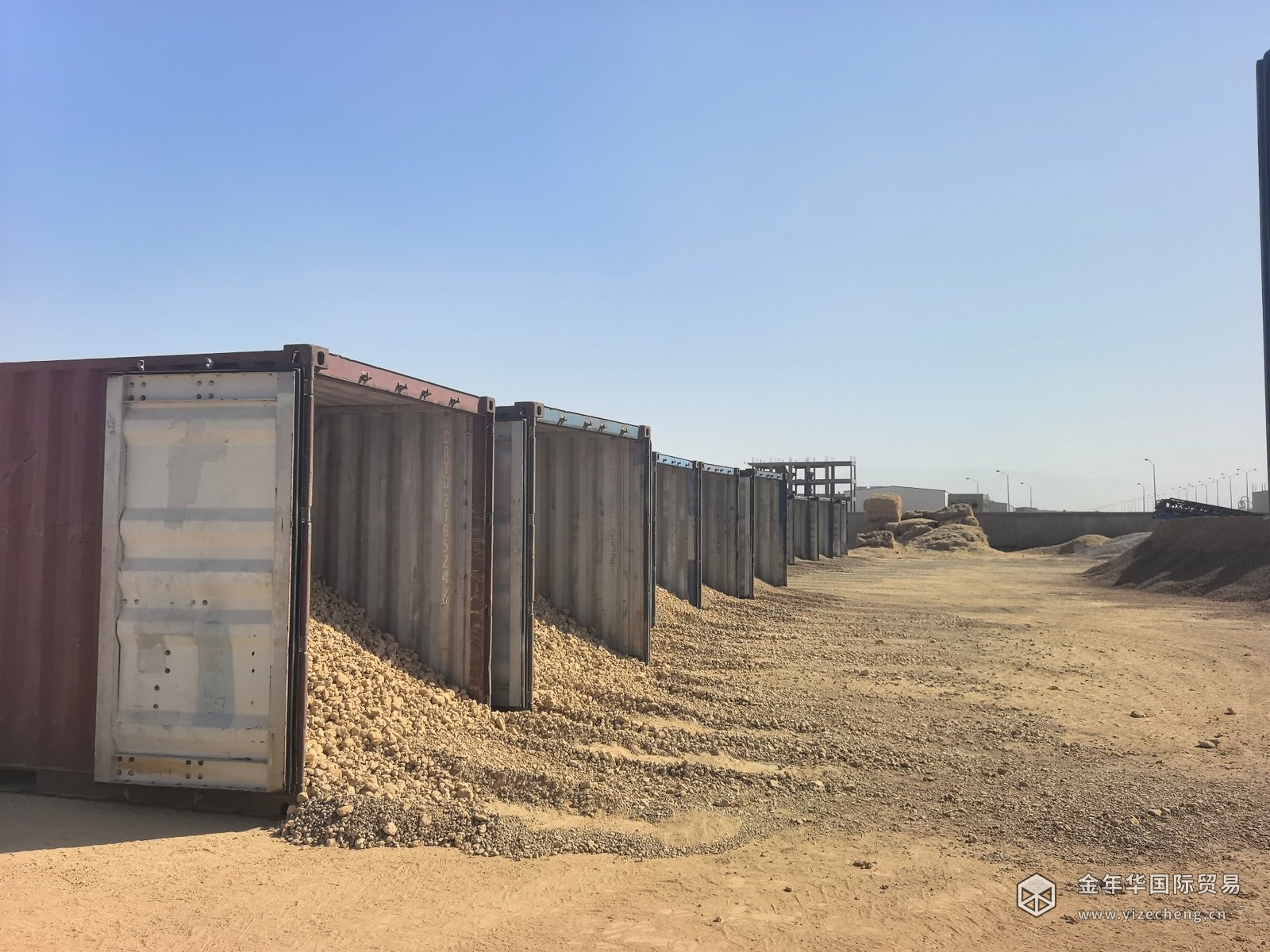
Handling conditions are the other factor. Bulk carriers need grabs, belts or self-unloading equipment at the destination port, and some inland or specialised powder terminals do not have them, leaving containers as the only option. Container stuffing also has constraints: bulk powder needs a dedicated liner bag and securing, or it will leak in transit.
3. Run Both Cost Tiers
The most common mistake in price comparison is to compare ocean freight only. What has to be compared is landed cost, and it comes in two tiers:
- Landed cost: cargo value + international freight + insurance + import duty + import-stage VAT + destination port charges and inspection fees.
- Delivered cost: landed cost + inland transport from port to plant, handling and storage, plus the cost of capital tied up.
Containers and bulk carriers have different structures at each tier. Bulk has the lower international freight, but destination port charges, storage and inland short-haul are often higher because specialised equipment is needed. Containers cost more in freight, but the inland leg is usually a direct truck move with fewer steps. Comparing only the first tier gives the wrong answer; carried through to the second tier, the conclusion can reverse. The calculation basis is in How to Calculate the Landed Cost of Imported Phosphate Rock.
4. In a Volatile Freight Market the Choice Is Worth More
When freight is stable, the gap between bulk and container is relatively fixed and the decision is mostly about convenience. When rates diverge, switching shipping method or routing on the same cargo can be worth half a month of price movement.
2026 is a case in point. On the dry bulk side, the BDI averaged 2,347 points in the first half, up 82% year on year, with Capesize 5TC period rates averaging around USD 29,494 per day. On the container side, the Shanghai Containerised Freight Index rose for seven consecutive weeks through September, with Middle East and Persian Gulf services climbing faster than the US West and US East coasts under Red Sea and Hormuz disruption. Both lines are strong at the same time, so costs are easier to push up than down; the supporting data is in How Rising Ocean Freight Affects the Landed Cost of Imported Minerals: September Update.
5. Don’t Forget the Arrival Window
Bulk carriers have flexible schedules but tend to wait for a berth around peak load periods, so actual arrival one or two weeks later than planned is not unusual. Container schedules are fixed and more predictable, but peak-season space shortages can lead to cargo being rolled to a later vessel.
Procurement plans need to leave room for that uncertainty in inventory. A plant running continuously and relying mainly on bulk supply should set its safety stock line accordingly; where cargo value permits, running part of the volume in containers also provides a way to adjust. Weight and loss conventions differ between the two methods as well, with bulk measured by draft survey and containers usually by weighbridge; the handling of discrepancies is set out in Whose Weight Counts: Draft Survey, Weighbridge and Bill of Lading Differences.
Conclusion
Choosing between bulk and container comes down to putting freight, transit time, cargo loss risk and capital tied up into one table and comparing them. Large volumes of low-value cargo with suitable destination port facilities go by bulk; small volumes of high-value cargo with moisture sensitivity go in containers. In a period when freight rates are diverging, the choice is worth recalculating every year rather than carrying last cycle’s conclusion forward.
Related Reading
How Rising Ocean Freight Affects the Landed Cost of Imported Minerals: September Update
How to Calculate the Landed Cost of Imported Phosphate Rock
Whose Weight Counts: Draft Survey, Weighbridge and Bill of Lading Differences