

Freight has never been a minor line in the landed cost of imported minerals. For the same tonne of phosphate rock, shipping bulk from Jordan to a Chinese port and moving containers from Southeast Asia into a bonded warehouse differ by more than the exchange rate on paper. The 2026 freight market has pushed shipping back up the procurement agenda.
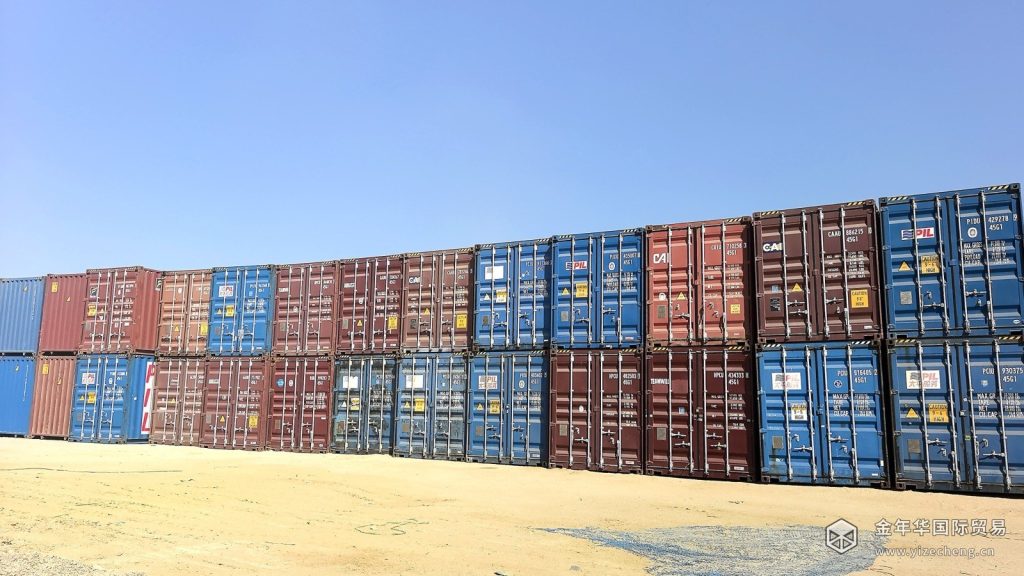
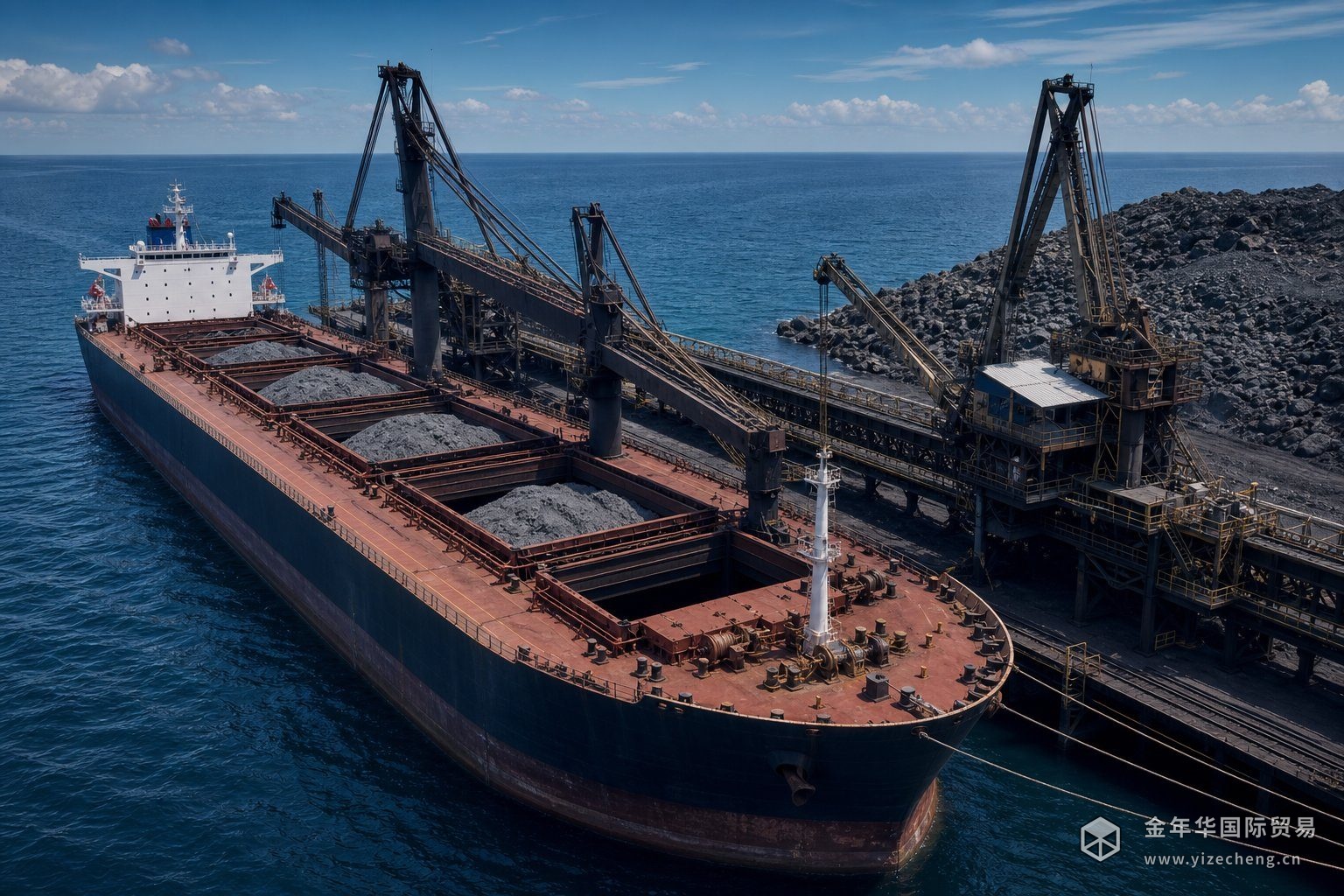
Dry Bulk Freight: Stronger Than Expected in H1, Direct Pressure on Bulk Imports
Start with dry bulk. Statistics from the Shanghai International Shipping Institute put the average BDI in the first half of 2026 at 2,347 points, up 82% year on year and the highest for the period since 2021. By vessel type, the Capesize 5TC average was about USD 29,494/day, up 86.75% year on year, and the Panamax 5TC about USD 17,283/day, up 61.51%.
Bulk commodities such as phosphate rock and iron ore ship almost entirely on bulk carriers, and freight is a substantial share of the CFR price, so when rates rise, landed cost rises with them. In the first-half surge the BDI briefly touched 3,200 points in May before easing to the 2,500–2,600 range in June and July, but the centre remains firmer than in previous years: even after the pullback it is well above the same period last year.
To work the numbers through, freight has to be spread across the landed cost per tonne. An earlier article, How to Calculate Landed Cost on Imported Phosphate Rock, broke down a USD 85/t arrival price to show how much freight and exchange rates take, on the same logic: every 10% rise in freight rates adds a real 10% to the corresponding part of landed cost.
Container Rates: Seven Straight Weeks of Gains in September, Calcium Powder Included
Bulk rates rose and containers were not idle either. Shanghai Shipping Exchange data show the SCFI rising to 3,590.05 points on 4 September (a sixth consecutive gain) and then to 3,662.18 points on 11 September (a seventh), the highest since July 2024.
Routes have diverged. US West and US East coast rates kept climbing, the Middle East/Persian Gulf route rose even harder on disruption around Hormuz and the Red Sea, while the Europe route fell for nine straight weeks. For importers of minerals, calcium powder and small-volume specialty grades often move in containers and are highly freight-sensitive, so firm US and Middle East rates land directly on landed cost.
Choosing bulk or container has always been a cost question. Bulk or Container Shipping: Which Saves More set out the framework: large, steady volumes go bulk to spread the cost, while small volumes and urgent orders go container to protect lead time. When the two freight markets diverge this sharply, the choice is worth more: on the same shipment, changing route or container type can swing the price by what half a month of market movement would.
How Freight Reaches the Purchase Price, and What to Do About It
Freight does not stand alone. It moves from CFR to CIF, then insurance, port charges and short-haul inland transport stack on top before the ex-works price; exchange rates and fuel prices sit in the middle as two further gates. In 2026, both ends squeeze at once: a high dry bulk centre and firm container rates on US and Middle East routes leave imported mineral landed cost biased upward.
A few practical points for buyers:
- Secure freight on term first. When rates are volatile at high levels, locking a time charter or term contract with a shipowner or forwarder is steadier than chasing the spot market.
- Ship off-peak. At nodes such as the rush before the National Day holiday, pre-holiday demand easily pushes rates up, so ship earlier where you can.
- Do not tie yourself to one origin port. Jordan, Egypt and Morocco sit on different routes with different freight structures, so spreading origins spreads freight risk. After the ban on exporting high-grade phosphate rock, how import procurement should adjust sourcing and negotiation made a similar point.
- Watch two risk points: low-water restrictions on the Panama Canal are pushing up US East coast rates, and the situation around Hormuz is disrupting the Middle East route. If either escalates, rates on the affected routes will jump again.
Freight is normally a single line on the cost sheet, but when the market moves it cuts straight into profit. Neither bulk nor container rates eased in September, and for import procurement it pays to track ocean freight as its own item rather than fixing it at month-end reconciliation.
Related Reading
- Egypt Halts New Phosphate Export Contracts, Jordan Resumes Supply: the Middle East Sourcing Landscape Is Shifting
- Calcium Carbonate Demand: Where GCC and PCC Prices Actually Split
- Nanzhao Cleanup: 14 Calcium Powder Firms to Remove Equipment
- Phosphate Rock Market Outlook 2026: Tight Supply, High Prices and Procurement Response