

Through the first half of 2026, phosphate rock prices held firm on a tight supply-demand balance and structural demand; in June the mineral was formally designated a national strategic resource, tightening mining controls. For downstream buyers this means a narrower window for buying the dip and a greater need for long-term agreements and inventory management. This article breaks down the market and the appropriate response using the latest data.

1. Latest Prices: Consolidating at High Levels
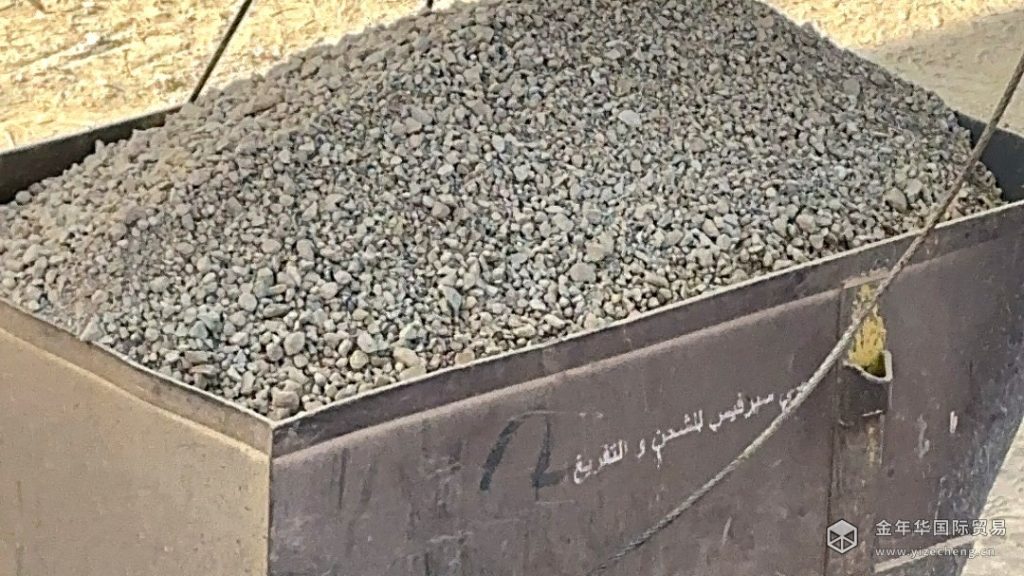
According to Zhuochuang Information, the July 2026 monthly average price in China’s main phosphate rock producing regions was RMB 974.24/t, down 0.33% month on month and 1.22% year on year; 30% grade rock averaged RMB 1,030/t (Zhuochuang Information, July 2026).
Prices continued to consolidate at high levels into mid-August. As of 13 August 2026, Longzhong Information/Mysteel mainstream quotes showed Hubei 30% grade at about RMB 1,050/t, Guizhou 30% at about RMB 980/t, Yunnan 28% at about RMB 890/t and Sichuan 30% at about RMB 970/t, with the CBC Metal Network national average at about RMB 915/t (12–13 Aug 2026). The 30% grade market has run high for more than three years, underlining the resource’s scarcity.
2. Supply: Record Output, but High Grades Are Scarce
- China’s cumulative phosphate rock output in 2025 reached 121.47 million tonnes, up 12% year on year and the highest for the period since 2018;
- Cumulative output for January–June 2026 was 61.11 million tonnes, up 4% year on year; June alone was 10.99 million tonnes, down 10% year on year (Baichuan Yingfu and National Bureau of Statistics via Tencent Finance, 12 Aug 2026);
- Nearly 90.8% of China’s phosphate rock is low to medium grade, with an average grade of only about 17–18%, and operating mines generally face declining grades and rising costs;
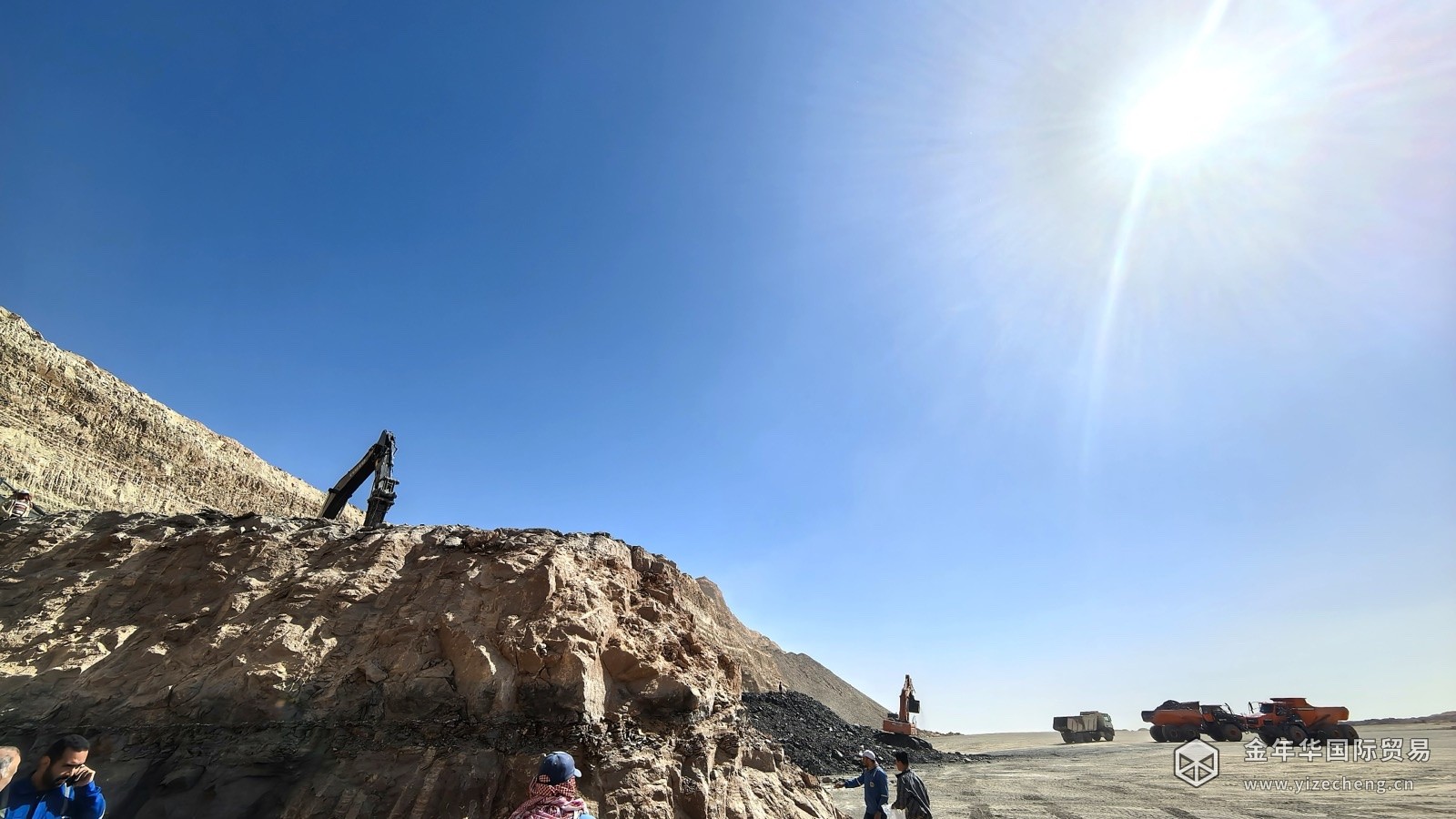
- In June 2026 phosphate rock was designated a national strategic mineral, tightening mining controls and reducing supply elasticity (Tencent Finance, 12 Aug 2026; Longzhong Information, 29 July 2026).
3. Demand: Traditional Base Demand plus New Energy Growth
Traditional phosphate fertiliser provides the rigid base — spring planting, winter stockpiling and export policy underpin prices — while new demand keeps growing: new energy applications such as lithium iron phosphate accounted for 8% of phosphate rock consumption in 2025 and are expected to reach 10% in 2026 (industry research, July 2026). Utilisation rates for iron phosphate and lithium iron phosphate capacity remain at 80–85%, providing structural support for medium to high grade rock (Longzhong Information, 5 Aug 2026).
4. Procurement Recommendations
- Lock in baseline volumes: during a high-level consolidation phase, use long-term agreements to secure core volumes and avoid peak-season spikes.
- Watch for supply disruption: environmental inspections in Sichuan and seasonal mine closures in Guizhou and Hubei affect regional arrivals — build multiple sources in advance.
- Hold safety stock: set dynamic inventory levels against your production rhythm to absorb sudden shutdowns and transport fluctuations.
- Track policy and new energy demand: strategic mineral controls and new energy growth anchor the medium-term price centre.
FAQ
Q1: Are phosphate rock prices expensive now?
They are high relative to the historical centre, but in a tight-balance market the downside is limited in the near term — prioritise securing supply over waiting for a price fall.
Q2: Will high-grade rock become harder to buy?
Yes. Low and medium grades account for more than 90% of the resource, and high grades are scarce and contested by the new energy sector. Prioritise long-term agreements with suppliers that hold high-grade resources.
Q3: Should buyers bet on a price fall?
It is not advisable. Tightening strategic mineral controls plus new energy demand make prices more likely to rise than fall; the stockout risk of betting on a decline far outweighs the price gain.
Conclusion
The key words for the 2026 phosphate rock market are tight balance, scarce high grades and tightening controls. Rather than gambling on short-term prices, buyers should use long-term agreements, multiple sources and safety stock to secure the supply chain.