

Downstream mineral markets are diverging sharply in 2026: calcium carbonate is a market of two halves — ground calcium carbonate capacity exceeds 52 million tonnes with utilisation below 70%, and the mid-to-low end is stuck in a price war, while demand for food and pharmaceutical grade and ultrafine modified calcium grows 15%–20% a year against an obvious shortfall. At the same time, the Ecological Environment Code takes effect on 15 August, putting ore processing under rigid whole-lifecycle constraints. This article sets out the two main threads and what they mean for procurement.
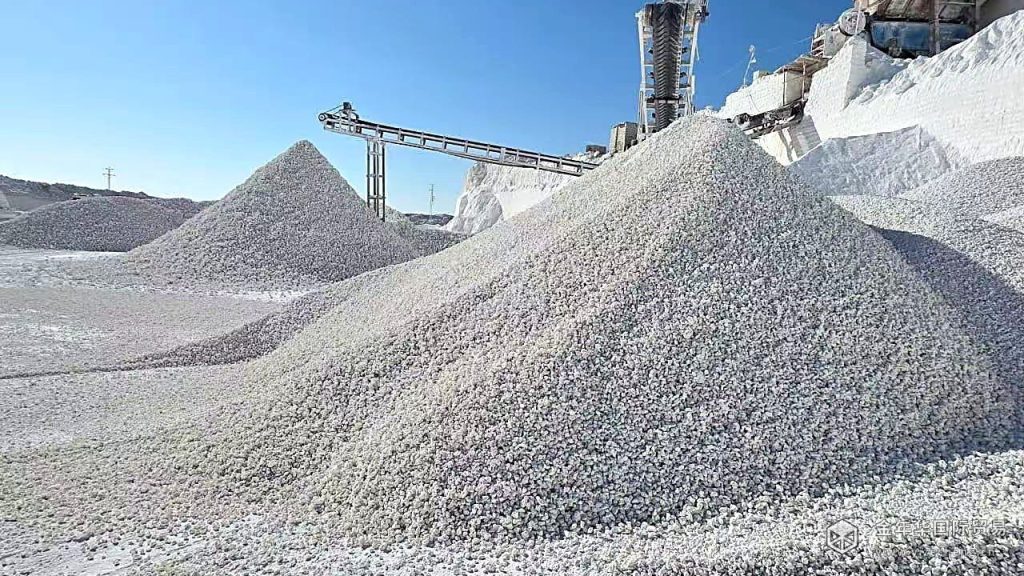
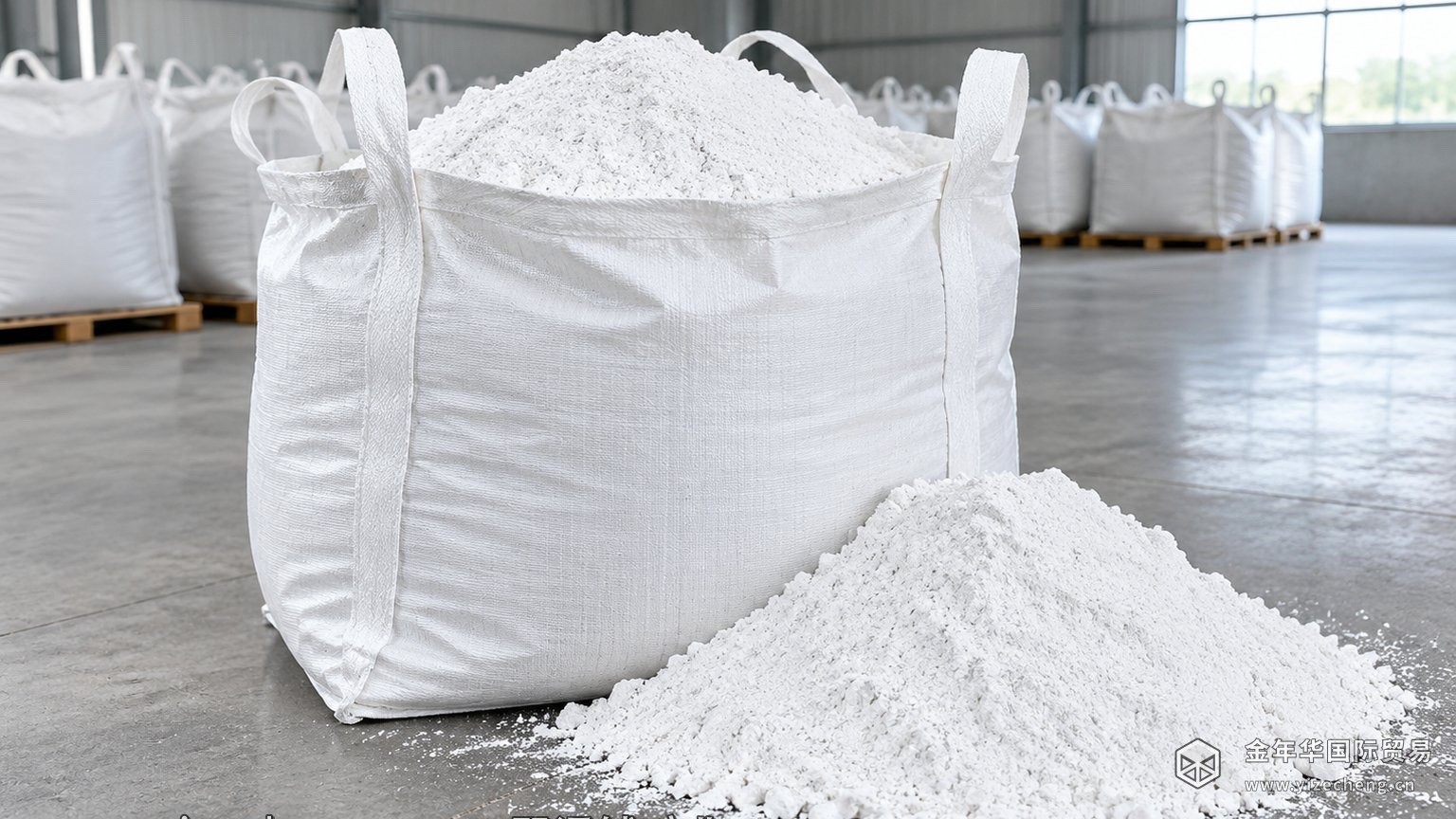
1. Calcium Carbonate: Overcapacity and Premium Shortage Side by Side
- China has more than 6,000 calcium carbonate producers with total capacity above 65 million tonnes and annual demand of about 45 million tonnes, leaving capacity utilisation below 70%;
- Ground calcium carbonate (GCC) capacity is about 52 million tonnes with output of about 36 million tonnes, and low-end homogeneous capacity accounts for more than 80% (mffb.com.cn, 2026);
- Prices are diverging: precipitated calcium carbonate (PCC) averaged RMB 1,820–2,460/t in 2026, up 3%–5% on 2025; mainstream quotes for 1,250-mesh GCC are about RMB 600–1,100/t including activated and modified grades, under pressure from overcapacity (Toodudu and industry sources, 10 Aug 2026; qinggai.com.cn, 2026);
- The premium gap: food and pharmaceutical grade calcium carbonate requires purity above 99.5%, import dependence is still above 30%, and premium demand grows 15%–20% a year (mffb.com.cn, 2026);
- Consolidation is accelerating: since the start of 2026, more than 200 small mines and 300 outdated-capacity plants have shut down and exited (mffb.com.cn, 2026).
2. Ore Processing: Environmental Compliance Is the Lifeline
- The Ecological Environment Code takes effect on 15 August 2026 (only one day after publication), fully replacing ten separate environmental laws and imposing rigid whole-lifecycle constraints on mineral products such as sand and gravel from mining through processing to transport; the Supreme People’s Court has issued matching rules on temporal effect to bridge the old and new law (the Supreme People’s Court, 5 Aug 2026; Hithink RoyalFlush, 11 Aug 2026);
- Green mine construction is speeding up: more than 5,100 green mines at provincial level or above have been built nationwide, accounting for 40.8% of licensed producing mines (China National Coal Association, Jan 2026);
- Intelligent upgrade: in 2025 the share of coal capacity using intelligent mining passed 50% for the first time, and intelligent mining faces rose from 494 in 2020 to 1,930;
- Under the 15th Five-Year Plan, environmental supervision is moving up to digital intelligence, with AI image interpretation and satellite remote sensing forming a digital sky eye and accelerating the exit of outdated capacity (Mining Rights Resource Network, 14 Aug 2026).
3. The Price Ladder and What It Means for Procurement
Take calcite (the raw material for calcium carbonate): 2026 market prices show a clear fineness premium (88cc88 commercial data, 2026):
| Product | Ex-works price range (RMB/t) |
|---|---|
| Calcite run-of-mine | 220–280 |
| 300 mesh powder | 320–400 |
| 800 mesh powder | 550–700 |
| 1,250 mesh powder | 700–950 |
| 2,000 mesh ultrafine powder | 1,200–1,400 |
Procurement takeaway: from the same run-of-mine, 2,000 mesh ultrafine powder costs more than three times as much per tonne as 300 mesh coarse powder. For standard fillers, overcapacity gives buyers room to press on price; for premium ultrafine or modified powder, lock in volume early and work with an integrated supplier that owns a mine, to avoid shortages and price rises.
FAQ
Q1: Is now a good time to buy GCC?
For mid-to-low end coarse powder, overcapacity does favour the buyer — but check that fineness and whiteness meet specification rather than looking only at the price per tonne.
Q2: Will the new environmental rules affect supply?
Yes. After 15 August non-compliant small plants exit faster, so prioritise suppliers with green mine or compliance certification to keep supply continuous.
Q3: Should premium calcium carbonate be substituted domestically?
Import dependence for food and pharmaceutical grade is still above 30%. Domestic substitution is under way but the gap is wide — for critical applications, secure qualified supply early.
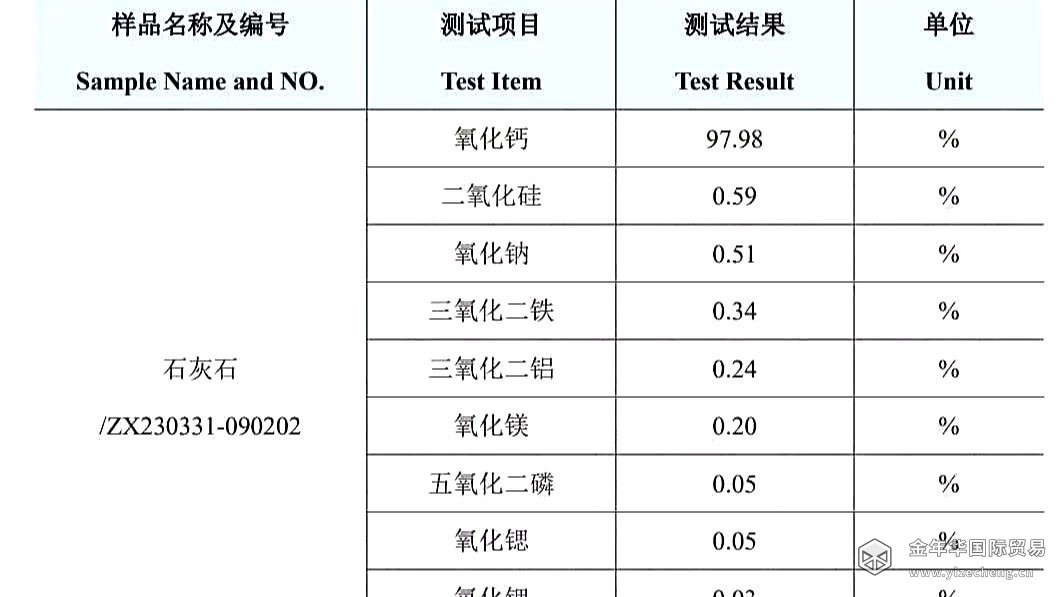
Conclusion
Calcium carbonate and ore processing are shifting from competing on scale to competing on quality and compliance. For buyers, that means using overcapacity to negotiate down standard grades, locking in premium volumes early, and writing environmental compliance into supplier entry requirements — the rule for survival in 2026.