

A Threefold Gap on the Same Price List
In the SunSirs precipitated calcium carbonate (PCC) quotes of 21 August, a Henan producer’s nano-grade product (98% content, 1,200 mesh) was quoted at RMB 1,350/t, while on the same day Hubei industrial grade stood at RMB 500/t, Shandong national standard at RMB 480/t, and Sichuan industrial and food grade at RMB 500/t. The spread between top and bottom is close to threefold.
By 1 September, the same Henan producer’s nano grade (98%, 1,200 mesh) was still quoted at RMB 1,350/t in the SunSirs quote update — unchanged for two weeks.
The Gap Comes Mainly from Specification Parameters
Calcium carbonate prices follow parameters, not a single price per tonne. These are the main factors behind the spread:
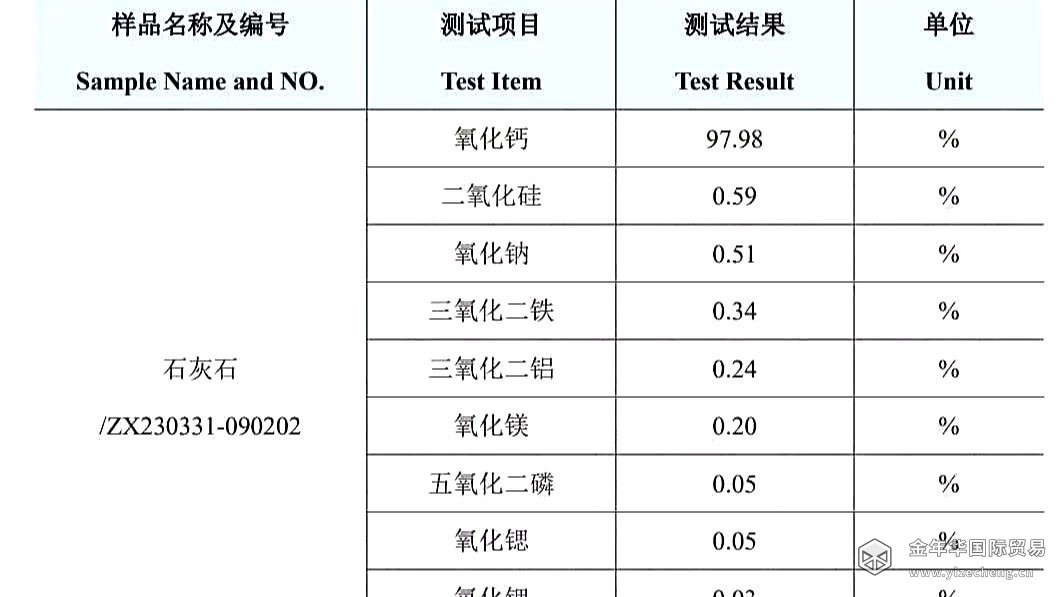
- Fineness (mesh): 800 mesh, 1,250 mesh, 2,000 mesh and above — every step up adds grinding and classification cost.
- Content and whiteness: the higher the CaCO₃ dry-basis content and whiteness targets, the more demanding the requirements on raw ore and impurity removal.
- Surface treatment: activated (modified) calcium powder disperses differently in plastics and coatings, and that processing cost shows up directly in the quote.
- End-use grading: industrial, food and nano grades follow different standards, with different testing items and lot consistency requirements.
For guidance on matching specification to end use, How to Choose Calcium Carbonate has a full specification and application comparison.
Why Industrial Grade Can Drop Below RMB 500
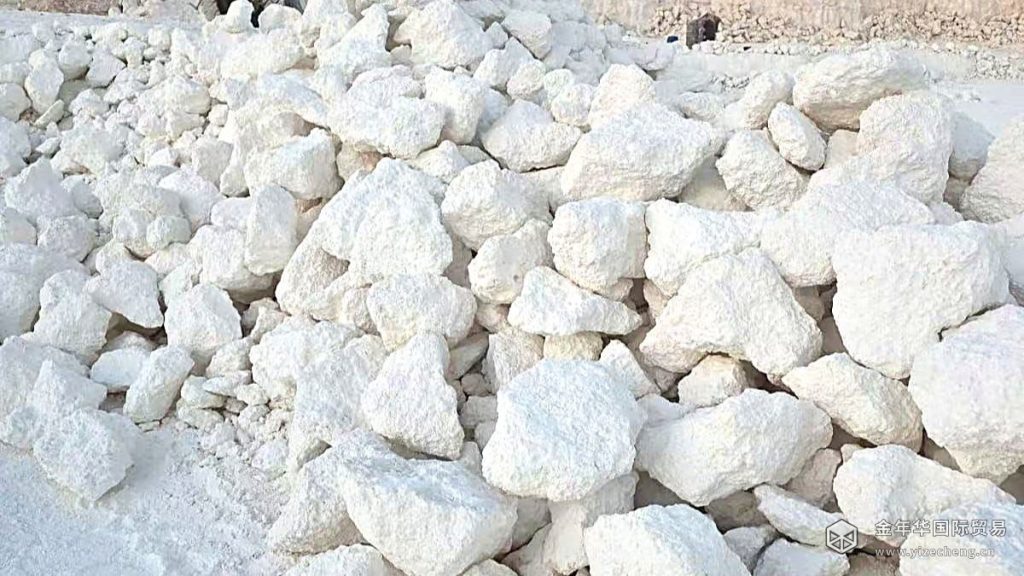
Industrial grade calcium powder is cheap because of its cost structure. The feedstock is usually local high-purity calcite, avoiding long-distance transport; the product goes into general-purpose filling for plastics, rubber and paper, where whiteness and dispersion requirements are loose; and homogeneity is high, so competition comes down mainly to price.
That is also why quotes from different regions cannot be compared directly. Shandong producers quoting RMB 480/t get there largely on local ore sources and short-haul transport; move the same product to Guangdong or Sichuan and freight alone swallows the difference.
Align the Parameters Before Comparing Quotes
Faced with a spread this wide, the usual trap in purchasing is to negotiate from an average price or a single quote:
- Break the requirement into parameters first: mesh, whiteness, CaCO₃ content, whether activated treatment is needed, and the standard that applies to the end use.
- Ask suppliers to quote on the same set of parameters, and state on the quotation whether it is ex-works or delivered price.
- When comparing across regions, list freight separately and convert to a delivered cost before comparing.
- Once the specification is fixed, sample-test by lot to avoid quality variation between batches under the same quote.
For how to standardise the delivered-cost basis, see the two-tier calculation approach used in the landed cost of imported phosphate rock; the logic applies equally to domestic purchasing.
Supply-Side Change Will Widen the Split Further
Behind the price divergence, the capacity structure is being reshaped. Recently Nanzhao launched a comprehensive cleanup of its calcium powder and stone cluster, with phase-out capacity exiting and retained plants upgrading to higher standards; the direction of travel points to ultrafine, ultra-pure, functional and composite products. Supply of low-end general-purpose material will contract while premium capacity expands — both at the same time.
For buyers, sourcing options for general specifications may narrow. For premium material with fineness and activation requirements, the pool of domestic suppliers is likely to grow.
Sources: SunSirs precipitated calcium carbonate commodity quote updates (21 August and 1 September 2026). Quotes are public market quotations; actual transactions follow the supplier contract.
International Quotes: Put Both Prices on the Same Basis
Once you move to international suppliers, most of the apparent spread between quotes disappears once they are put on the same basis. A low FOB price can become the most expensive option by the time freight and destination charges are added, while a CFR or CIF quote to your nominated port already includes them. The distance from the loading port to yours — and whether the cargo moves in containers or as break-bulk — both move the landed cost.
- Compare on the same Incoterm and the same destination port, or the numbers are meaningless.
- Compare the full specification sheet, not one headline figure.
- Ask whether the price covers a single shipment or a schedule.
- Confirm what documentation travels with the cargo.
Frequently asked questions
Is there one benchmark price for calcium carbonate?
No. Published figures normally refer to one specific grade, one particle size and one delivery basis.
Why is a finely ground grade noticeably dearer per ton?
Grinding energy. Every step down in particle size means more mill time and more power.
What do you need in order to quote?
The application, target grade and particle size, volume, and the destination port. With those we can quote FOB or CFR to your nominated port.
Request a quote for your specification, or browse bulk mineral products.