

Calcium carbonate is CaCO₃ — one calcium atom, one carbon atom and three oxygen atoms, with a molar mass of about 100.09 g/mol on current IUPAC atomic weights. It is one of the most common minerals on earth: limestone, calcite, chalk and marble are all naturally occurring calcium carbonate, with calcite registering 3 on the Mohs hardness scale and a density of about 2.7 g/cm³. Industrially the material reaches buyers by one of two routes. Physical grinding of limestone, calcite or marble produces ground calcium carbonate (GCC). Re-precipitating it chemically, via calcination and carbonation, produces precipitated calcium carbonate (PCC). Both are the same compound; almost every difference that matters in a purchase order — particle shape, particle-size distribution, brightness, bulk density and price — comes from which route was used and how far the finisher took it.
1. Formula, Purity and the Spec Sheet Items That Actually Matter
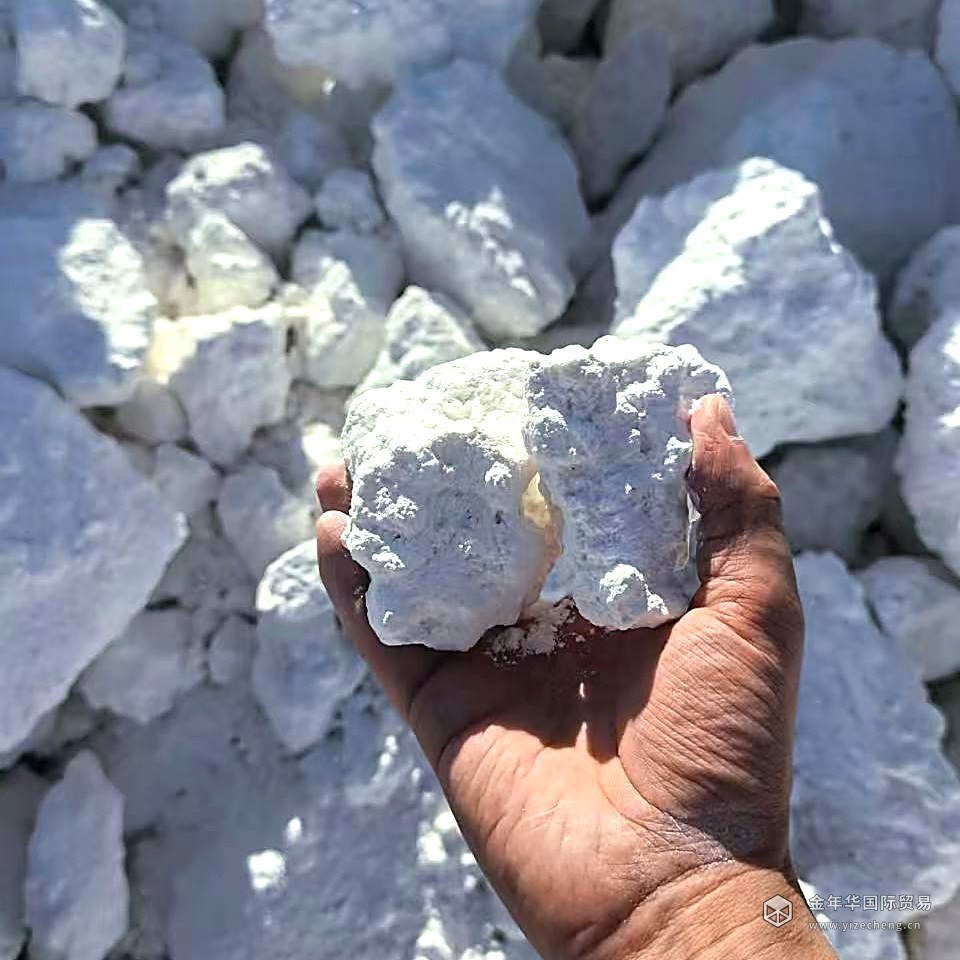
The formula is simple; commercial product is not. Natural limestone carries associated minerals — dolomite (calcium-magnesium carbonate), quartz, clay and traces of iron and manganese oxides — and those determine achievable whiteness and impurity levels. That is why “calcium carbonate” on a quotation can mean several different products at several different prices.
For a technical evaluation, four groups of properties decide whether a grade will run on your line:
- Chemistry: CaCO₃ content, and the limits on MgO, SiO₂, Fe₂O₃, acid-insoluble matter and moisture.
- Physical form: whiteness or brightness, particle-size distribution (D50 and D97, or the mesh equivalent — 325 mesh is roughly 45 µm, 1250 mesh about 10 µm and 2500 mesh about 5 µm), residue and bulk density.
- Surface treatment: for coated grades, the coating agent (typically stearic acid or a coupling agent), coating percentage and activation level, which govern dispersion in polymers.
- Consistency: batch-to-batch variation, which for long-running compounding lines can matter more than the nominal specification.
Because these properties vary by batch, the specification on a contract is only as good as the assay behind it. A reliable supplier issues a certificate of analysis (COA) for the specific lot shipped, against an independently produced report — SGS or equivalent — rather than a generic product data sheet.
2. GCC and PCC: Two Routes, Two Product Families
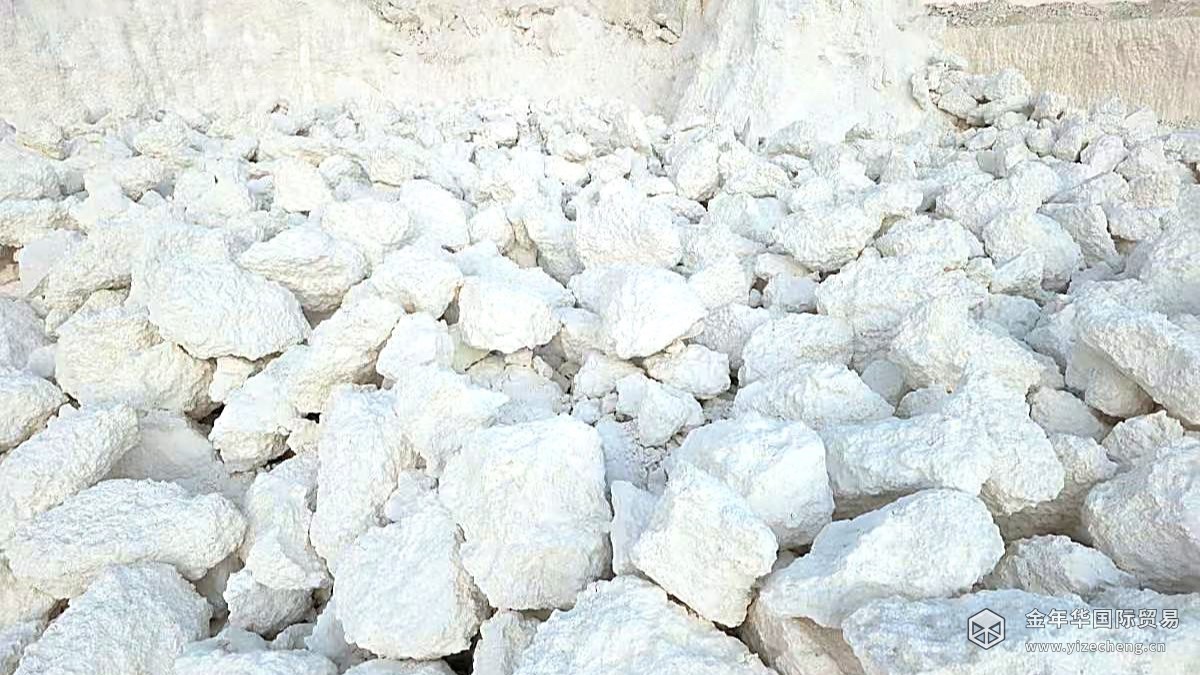
GCC is a mechanical product. Mined limestone, calcite or marble is crushed, then ground dry or wet and classified by air separators into defined fines. The crystal form of the original rock is preserved, bulk density is relatively high, and cost per tonne is low. For that reason GCC dominates the volume applications: plastic filler, masterbatch, PVC profiles and pipe, paints and coatings, paper and construction products.
PCC is a chemical product, and the industry also calls it precipitated calcium carbonate. Limestone is first calcined in a kiln above roughly 900 °C, breaking down into lime (CaO) and carbon dioxide. The lime is slaked to milk of lime, then carbonated with CO₂ to re-precipitate calcium carbonate, which is dewatered, dried and de-agglomerated. Because the material is re-crystallised from solution, PCC offers finer and narrower particle-size distribution and controllable crystal morphology, generally with higher brightness and better dispersion than GCC of comparable fineness. That is why PCC commands a premium and is specified in rubber, printing inks, toothpaste abrasives and high-end sealants.
A frequent misunderstanding deserves stating plainly: the “light” in light calcium carbonate refers to low bulk density and a fluffy hand-feel, not to a different chemistry. GCC and PCC are the same compound.
3. Not Lime, Not Gypsum — and How to Order It Correctly
Lime and gypsum are routinely confused with calcium carbonate at the enquiry stage, and the mistake is expensive because the three behave differently. Calcium carbonate (CaCO₃) is stable, essentially insoluble in water and usable as a mineral filler as delivered. Quicklime is calcium oxide (CaO), produced by calcining carbonate, and reacts violently with water. Hydrated lime is calcium hydroxide (Ca(OH)₂), strongly alkaline, made by slaking quicklime. They sit at three different points on one conversion chain.
Gypsum belongs to a separate system altogether: its principal component is calcium sulphate dihydrate (CaSO₄·2H₂O), which contains sulphur and no carbon. It comes from gypsum deposits or as a by-product of phosphate processing and flue-gas desulphurisation. Similar names, different formulae, different supply chains. When comparing offers, read the formula rather than the trade name.
Buying notes for industrial mineral buyers
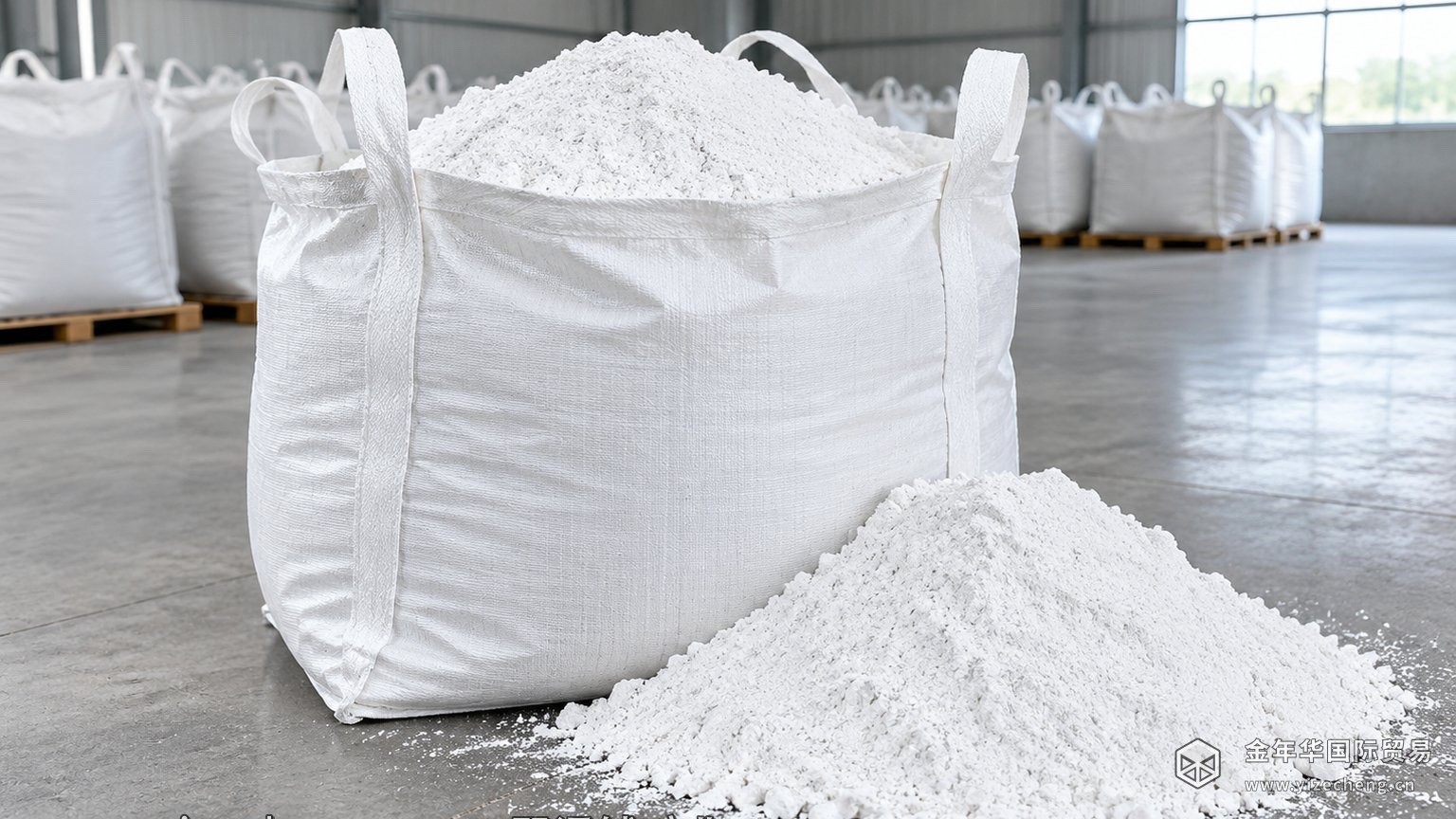
Start from the application, not the price. A filler for PVC profiles, a coating extender and a sealant-grade are three specifications, and cross-comparing them on a single USD-per-tonne figure tells you nothing. Fix the purchase order against measurable items — CaCO₃ content, whiteness, D97, moisture and treatment level — and require a lot-specific COA with the shipment. Where a shipment will be inspected by a third party, agree the inspection scope and sampling method before loading, so that both parties are testing the same material.
To review the grades available, see our calcium carbonate product page; assay and inspection arrangements are set out under our product range, and published price observations are collected on the market watch page.
Sources
Formula and molar mass are calculated from current IUPAC standard atomic weights. Hardness and density for calcite are standard mineralogical constants, and mesh-to-micron conversions follow conventional powder-industry practice. No grade-specific index values are quoted here: actual specifications are confirmed by the lot-specific third-party assay report issued with each shipment.