

Rock phosphate is one of the few bulk minerals where a single digit in the customs code decides whether your shipment clears smoothly or sits in a bonded warehouse. The 6-digit code — 2510.10 or 2510.20 — is the same across almost every trading nation, because both sit inside Chapter 25 of the Harmonized System. What changes country by country is the duty rate, the documentation the importer must hold, and how strictly the specification is verified on arrival. This guide covers the classification logic, the documents a buyer should insist on, and the specification parameters worth locking into the contract before the first vessel sails.
1. Egyptian Rock Phosphate HS Code: Where It Sits in the Nomenclature
Phosphate rock, however it is described commercially, is classified under heading 2510 — natural calcium phosphates, natural aluminium calcium phosphates and phosphatic chalk. The heading splits into two subheadings on a single criterion: whether the material has been ground.
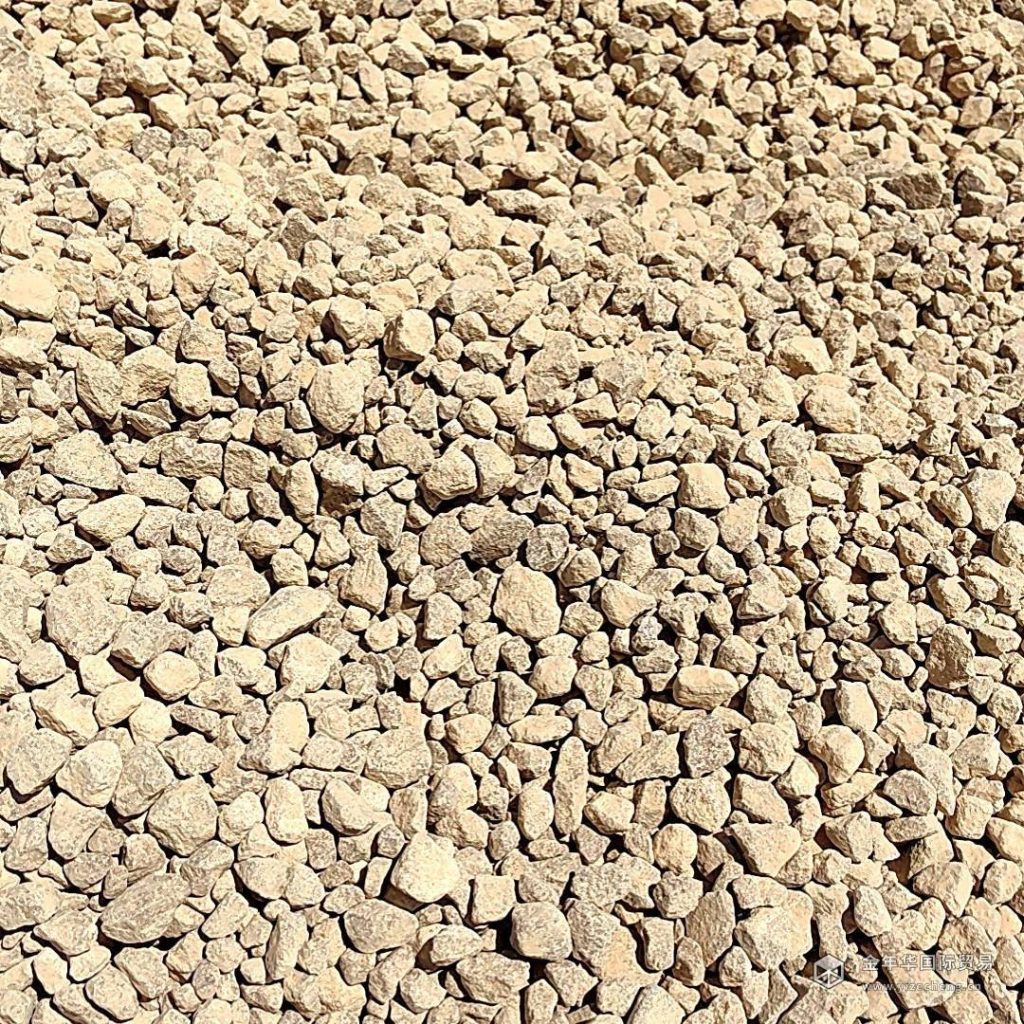
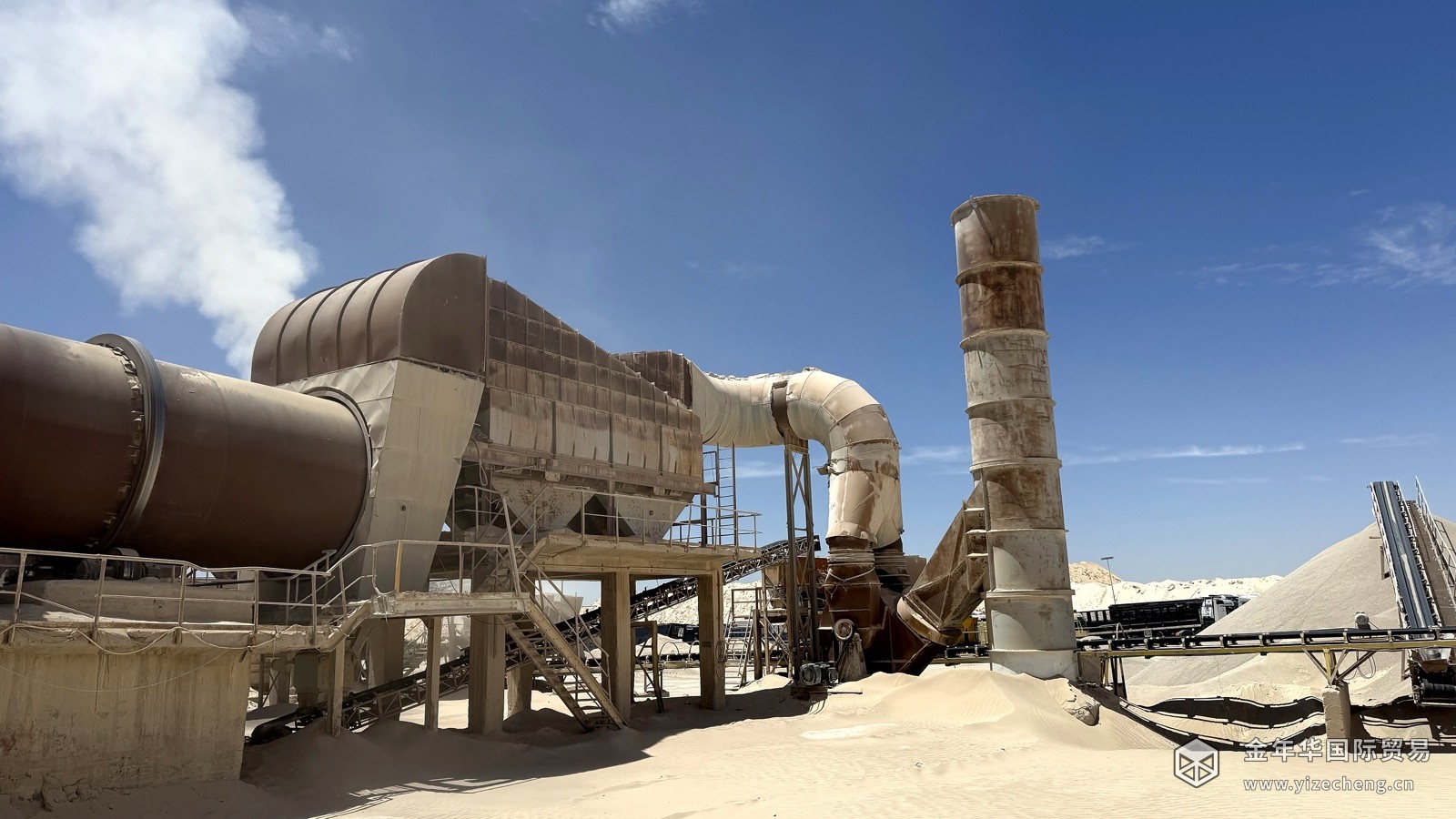
Subheading 2510.10 covers unground rock. Crushing, screening, washing and drying do not move a consignment out of this subheading. Subheading 2510.20 covers ground material — rock that has passed through a mill to reduce particle size.
The distinction matters more than it appears. Direct-application and fertiliser-blend buyers typically take unground lump or crushed rock; buyers feeding fine phosphate salts or lithium-iron-phosphate precursor lines generally take ground material. If a single contract covers both, the shipment should be split by form at the documentation stage rather than at the destination port, because re-classifying after arrival means amended entries, delayed clearance and, in some jurisdictions, penalties.
Two practical points follow. First, the term used in your purchase contract does not determine the code — the production process does. Write the process into the contract specification, and keep the mill’s process description on file. Second, 2510 is a raw-minerals heading: it does not cover phosphoric acid, single or triple superphosphate, DAP or MAP, all of which sit in Chapters 28 and 31 and attract completely different treatment.
2. What Belongs in an Export Documentation Pack
For an origin-to-destination phosphate shipment, the pack a buyer should require before the vessel loads usually runs to eight or nine items:
- Certificate of origin — issued by the competent authority in the country of extraction. This is the document that unlocks preferential duty treatment; without it, the importer pays the general rate.
- Certificate of analysis (COA) — issued at loading and, in most well-run trades, confirmed again at discharge by an independent surveyor.
- Commercial invoice and packing list — showing net and gross weight per container or per hold, and the number of bags or the bulk quantity.
- Bill of lading — for bulk cargo, the shipper’s figure.
- Weight certificate — a draft survey report for bulk, or weighbridge tickets for containerised cargo.
- Radiation certificate — phosphate rock is naturally elevated in uranium-series nuclides, and several markets require a declaration against a stated threshold.
- Non-wood packing declaration or fumigation certificate — required by most countries for any shipment on wooden pallets or dunnage.
- Cadmium and heavy-metal declaration — increasingly requested where the material will end up in fertiliser or in contact with food and feed chains.
Two of these deserve more attention than they usually get. The weight certificate is where disputes actually originate: a buyer comparing a draft survey figure against a destination weighbridge will often find a difference of a few tenths of one percent, and the contract needs to state which figure governs and how the tolerance is priced. The radiation certificate is where shipments get held: thresholds differ by importing country, and a certificate issued against the wrong threshold is not usable.
3. Specification Parameters to Fix in the Contract
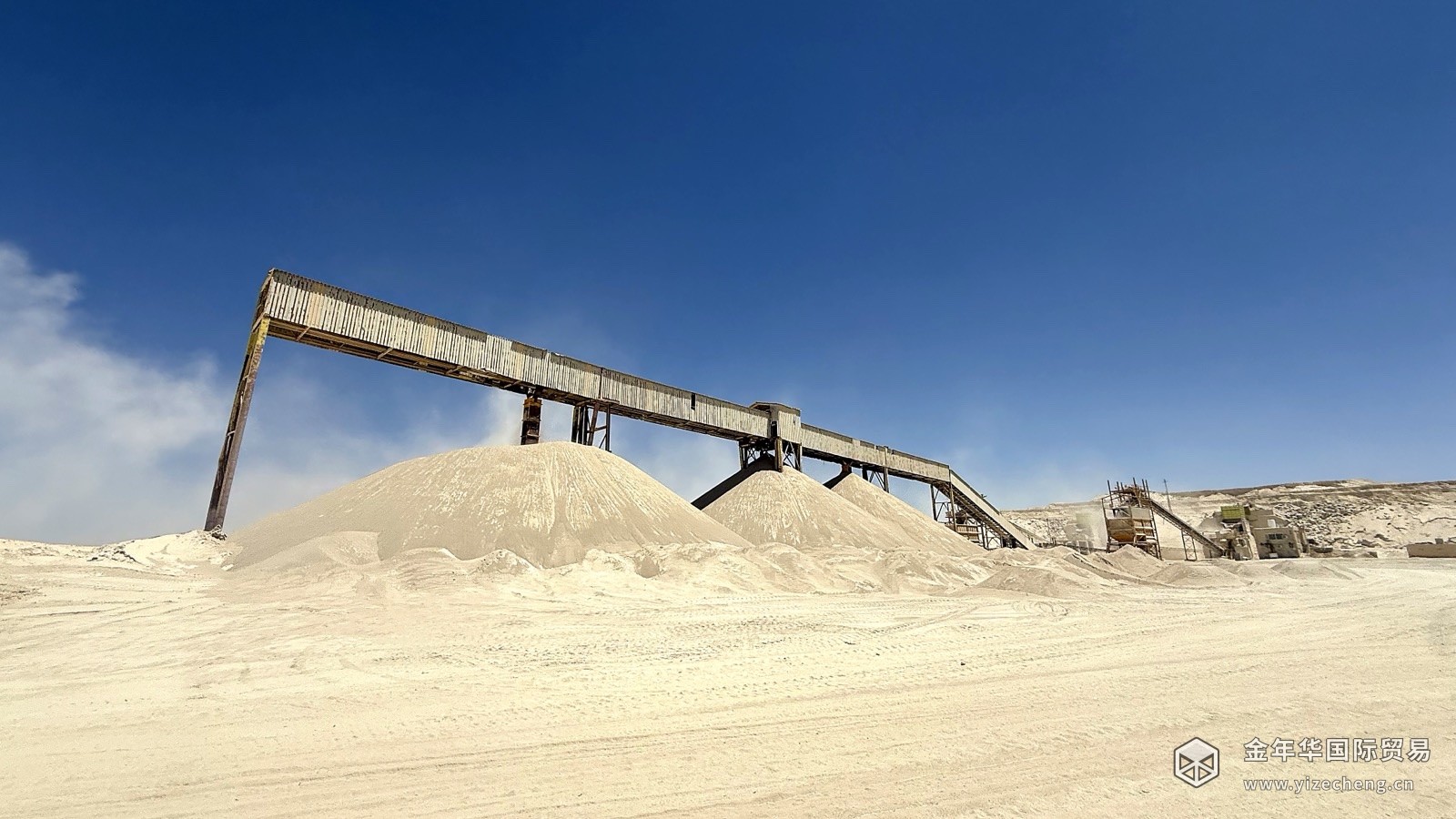
P₂O₅ content is the pricing anchor, but it is not the whole specification. A workable contract for Egyptian phosphate rock or Jordanian phosphate rock should fix, at minimum, the following:
- P₂O₅ — with a guaranteed minimum, a rejection floor, and the penalty-and-bonus scale per percentage point above and below the base grade.
- BPL — bone phosphate of lime, quoted alongside P₂O₅. The conversion factor between them is approximately 2.185, so a 29% P₂O₅ material is roughly 63% BPL. Quoting only one of the two is a common source of misunderstanding.
- Moisture — stated as a maximum at loading, with a weight adjustment clause if discharge moisture exceeds it.
- MgO and Al₂O₃ — the main penalised impurities in sedimentary rock; high magnesium content affects acidulation yield and consumption.
- Fe₂O₃ — relevant where the phosphate feeds pigment or food-grade chains.
- Cadmium — the parameter that most often decides whether a cargo is sellable into regulated markets. The European Union applies a cadmium limit to phosphate fertilisers, and buyers supplying European or other regulated blenders should treat a cadmium declaration as a condition precedent to loading, not an optional extra.
- Particle size distribution — lumps, 0–2 mm fines, or ground to a stated residue on sieve.
Frequently asked questions
Does the code change if the rock is simply dried?
No. Drying, washing, crushing and screening leave material in 2510.10. Only grinding moves it to 2510.20.
Who should pay for the discharge survey?
Practice varies. What matters is that the contract names the surveyor, the standard applied and which figure prevails if the loading and discharge analyses disagree.
Is a preferential duty rate available?
It depends entirely on the origin-destination pair and on whether the origin authority can issue a valid certificate. Preferential treatment is a documentary entitlement, not an automatic one.
The classification question is settled quickly once the process is documented. The part that takes discipline is the specification schedule: P₂O₅, BPL, moisture, MgO, cadmium and particle size, each with a stated floor and a stated consequence. Fixing those before the first loading keeps a defect claim a contractual calculation rather than a negotiation. A comparison of available grades and their typical specifications is set out in the product range.
Sources: Harmonized System Chapter 25 (heading 2510, subheadings 2510.10 and 2510.20), World Customs Organization nomenclature; and phosphate specification and documentation practice as reflected in current bulk mineral trade. Duty rates and preferential treatment are country-specific and should be confirmed against the importing country’s current tariff schedule before contracting.