

From a Lump of Ore to a Bottle of Salt
Phosphate rock itself is not worth much; what is worth money is the form it is processed into along the way. The typical chain runs: phosphate rock → phosphoric acid (wet or thermal process) → phosphates (ammonium phosphate, calcium phosphate, lithium hexafluorophosphate and so on) → end products (fertiliser, feed, new energy materials). Each step forward raises both the technical barrier and the value added.
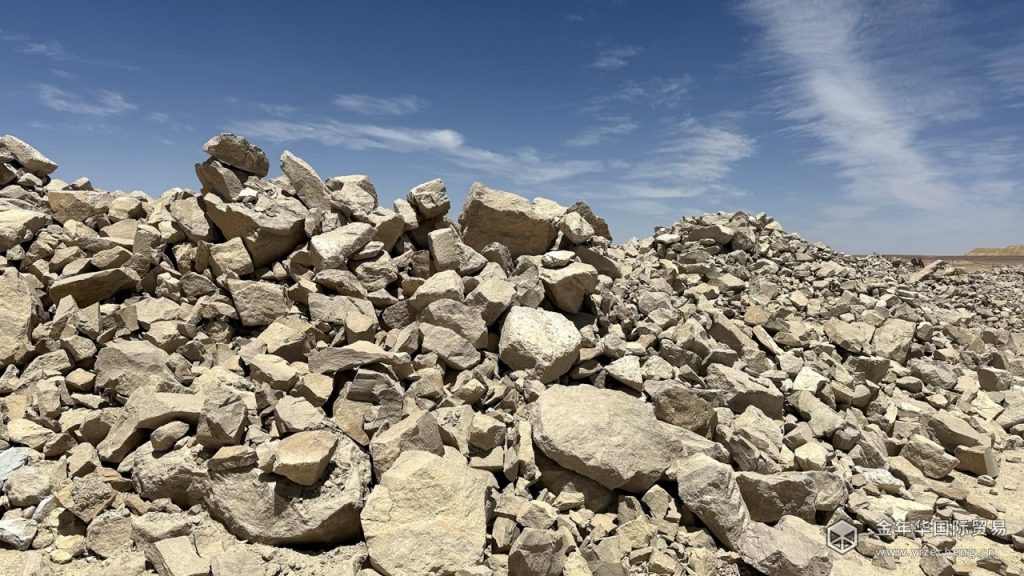
Where the Money Concentrates
- Raw ore: a game of resource and freight, with the thinnest margin and volume-driven economics.
- Phosphoric acid: constrained by process and feedstock such as sulphur and sulphuric acid. With sulphur tight this year, acid margins have been redivided, and wet-process purified acid briefly saw a sharp month-on-month profit jump.
- Fine phosphates and new energy materials: the highest technical barriers — lithium hexafluorophosphate and lithium iron phosphate add far more value than raw ore and attract the most capital.
What This Means for Importers
Understanding the chain changes procurement decisions:
- To control cost, lock ore upstream. Take raw ore on long-term agreements and do primary processing yourself or with a domestic partner — cheaper than buying finished product outright.
- To take a position, watch downstream growth. High-grade ore demand driven by new energy materials is structural, and this ore has the strongest long-term scarcity.
- The Middle East opportunity is in primary processing. With ore in Egypt and Jordan, local beneficiation and granulation before export keeps value at the source — and Chinese buyers may receive a more finished, and more consistent, product.
In one sentence: do not buy ore as if you were buying stones — be clear about which segment of the chain you are actually eating into.
Wet Process or Thermal Process Sets the Direction
There are two routes from rock to acid. The wet process decomposes phosphate rock with sulphuric acid and co-produces phosphogypsum; it is low-cost and large-scale and dominates fertiliser-grade acid, but the acid carries impurities and needs purification to move upmarket. The thermal process reduces phosphate rock to elemental phosphorus in an electric furnace and then oxidises and absorbs it into acid, giving high purity and low impurities at the cost of energy and electricity. Which route is chosen largely determines whether feed-grade, food-grade or only fertiliser-grade products are within reach.
The Real Cost Switch Is Sulphur and Sulphuric Acid
In the wet route, sulphuric acid accounts for a large share of cost, and sulphuric acid is tied directly to sulphur. When sulphur tightens, acid rises first, wet-process phosphoric acid follows, and fertiliser and phosphates follow again — exactly the pass-through path seen this year, as broken down in sulphur tightness and cost pass-through. Understanding this gives you a basis for deciding how long quotes should remain valid and whether an adjustment clause belongs in the contract.
Where the Barrier Sits for Fine Phosphates
The further downstream you go, the more the barrier shifts from resources to purity control. Feed grade is judged on arsenic, lead, fluoride and cadmium limits; food grade adds heavy metals and microbiological criteria; electronic and battery grades are stricter still on iron, sulphate and chloride. This means the impurity profile of the ore determines whether a downstream producer can win higher-value orders — which is why new energy customers willingly pay a premium for low-impurity ore.
Frequently Asked Questions
Is buying ore the same as buying phosphates?
No. Ore is compared on grade, impurity profile, full delivered cost and supply reliability. Phosphates are compared on purity grade, batch consistency and certifications. The first is a resource business; the second is closer to a materials business.
Can an importer move downstream?
Yes, within reason. The more realistic step is participating in primary processing at source — beneficiation and granulation in Egypt or Jordan before export — keeping value at origin while making delivered specifications more stable. Building acid or salt plants further downstream depends on scale, energy and policy conditions.
How much is raw phosphate ore actually worth in the chain?
Raw ore has the largest conversion upside, but it carries resource and freight risk and the thinnest unit margin. The high-margin segments are phosphoric acid and fine phosphates or new energy materials, where technical and certification barriers create the premium.
Further Reading
- Phosphate Rock Designated a National Strategic Mineral: 145 Mt Output Cap, High-Grade Ore Exports Banned
- Phosphate Rock Market Outlook 2026: Tight Supply, High Prices and Procurement Response