

On 15 June 2026, the Mineral Resources Law Implementation Regulations formally took effect, listing phosphate rock alongside lithium, rare earths and cobalt in the catalogue of 36 national strategic minerals, further tightening resource management.
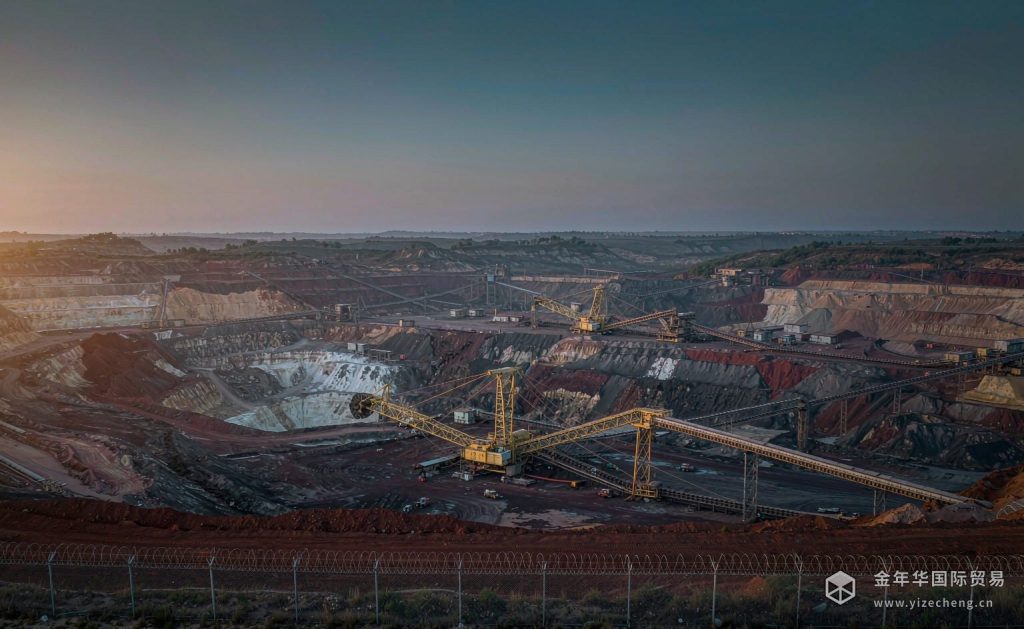
At policy level, China’s total phosphate rock output for 2026 is capped at 145 million tonnes, and in principle no new standalone phosphate mines will be approved. High-grade ore (P2O5 ≥ 30%) is subject to in-situ reserve and direct export is prohibited, with priority given to strategic demand such as new energy.
Two further constraints apply: the “output determined by waste” rule requires a phosphogypsum comprehensive utilisation rate of no less than 65%, and agricultural phosphate fertiliser exports have been suspended from 14 March to 31 August.
Driven by these factors, phosphate rock prices have remained high: 28% grade ore in Hubei is close to RMB 1,000/t, while 30% grade ore in Guizhou has broken through the RMB 1,000/t mark.
Procurement takeaway: for downstream companies dependent on high-grade phosphate rock, domestic supply is tightening and import substitution is becoming harder, making raw material security a core variable. Lock in medium and long-term contracts, expand direct sourcing channels in the Middle East, and coordinate supply between the new energy and fertiliser demand lines.
(Source: industry analysis via Toutiao. Please refer to the original source before publication.)
What Catalogue Status Actually Means
Catalogue management is not simply an export restriction — it moves resource governance upstream from project approval to control of total volume and flow direction. For companies this shows up in three ways: the door for new mining rights narrows, making approval of standalone new phosphate mines considerably harder; annual output caps leave less room for overproduction; and the flow of high-grade ore is steered towards strategic demand such as new energy rather than simply allocated to the highest bidder.
Where the High-Grade Export Ban Stops
The distinction that matters is between raw ore and processed product. The restriction targets direct export of high-grade raw ore; it does not mean phosphate chemicals cannot be exported. In-situ reserve means part of the high-grade ore stays in the ground as strategic reserve rather than circulating in the market. The practical effect downstream is that purchasable high-grade raw ore becomes scarcer and the negotiating window narrows, while beneficiated intermediates are encouraged — which is precisely why integrated mine-acid-salt projects have been launched in clusters in recent years.
Why “Output Determined by Waste” Matters
A phosphogypsum utilisation rate of no less than 65% effectively ties environmental disposal capacity to production capacity: if the gypsum cannot be handled, output cannot rise. This bites hardest on wet-process phosphoric acid producers, replacing the old sequence of produce first, dispose later with a rule that disposal capacity sets the production ceiling. For buyers the implication is that domestic phosphoric acid and phosphate supply becomes less elastic, and prices become more sensitive to short-term events such as plant maintenance and environmental inspections.
Why Import Substitution Is Not Easy
- Grade mismatch. What is short domestically is high-grade ore, and the number of origins able to supply high-grade, low-impurity ore consistently is inherently limited.
- Impurities cannot be compromised. New energy materials and feed-grade phosphates carry hard limits on iron, aluminium, magnesium and cadmium. This is not a case where a downgrade will do.
- Logistics and lead time. Overseas ore typically takes months from contract to arrival and is exposed to routing and freight disruption, so substitution cannot happen quickly.
Frequently Asked Questions
Will the strategic mineral listing raise imported phosphate rock prices?
Indirectly, through demand. Tighter domestic supply of high-grade raw ore pushes some demand towards imported high-grade ore, lifting enquiry activity and premiums at the import end. That is why it pays to lock in medium and long-term contracts using an RFQ template early.
What does high-grade phosphate rock cost per tonne now?
The industry figures cited here are: 28% grade in Hubei close to RMB 1,000/t, and 30% grade in Guizhou above RMB 1,000/t. These are domestic spot levels; imported high-grade ore must be converted from CFR separately and the two are not directly comparable.
What is the single most useful thing a downstream buyer can do now?
Upgrade raw material security from buying on demand to buying against risk: define your grade floor and impurity red lines first, then structure supply as a contract base plus spot top-up plus an alternative origin, rather than hunting for cargo only when you run short.
Related Reading
- Sulphur Tightness, Phosphoric Acid Up RMB 1,000 in a Month: How Costs Travel to the Buyer
- Phosphate Rock Market Outlook 2026: Tight Supply, High Prices and Procurement Response
- Bangladesh Approves 40,000t DAP from OCP at $866/t, Down $28/t From September
- Nanzhao Cleanup: 14 Calcium Powder Firms to Remove Equipment