

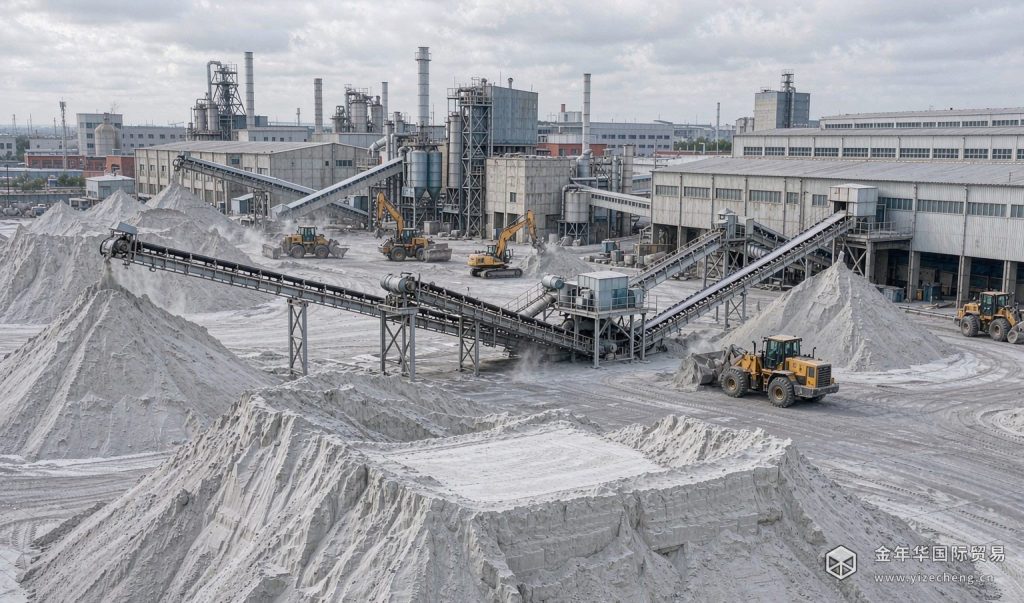
Every tonne of phosphoric acid produced comes with roughly 4 to 5 tonnes of phosphogypsum. That ratio makes phosphogypsum an unavoidable solid waste for the phosphorus chemicals industry: the larger the capacity, the greater the stockpiling burden. In September 2026, a wave of policies and projects landed across Hubei, Yunnan and Guizhou, and phosphogypsum is turning from an environmental liability into a resource that has to be absorbed.
1. Why Phosphogypsum Became a Hard Constraint on Phosphorus Chemicals
Phosphogypsum is a by-product of the wet-process phosphoric acid route, composed mainly of calcium sulphate dihydrate. The Action Plan for the Comprehensive Utilisation of Phosphogypsum, issued in 2024 by the Ministry of Industry and Information Technology (MIIT) together with six other departments, set a target of 65% comprehensive utilisation by 2026 alongside a dynamic balance mechanism. Solid waste treatment has thus moved from an end-of-pipe environmental issue to a precondition for capacity.
More direct still is the “waste-based production cap”. A reply to a Chinese People’s Political Consultative Conference proposal handled in Xifeng County, Guizhou this year notes that the county is pushing a closed loop of phosphogypsum production and use and implementing the cap (Xifeng County People’s Government, 4 September 2026). The logic runs like this: how much phosphogypsum a company can absorb in a year determines how much phosphoric acid and ammonium phosphate capacity it may operate the following year. Where solid waste handling capability is insufficient, a mining quota alone will not translate into output.
For buyers, that constraint travels up the chain. Mining quotas, environmental absorption capacity and mining rights approvals are now tied together, further compressing the elasticity of domestic phosphate rock supply.
2. Projects Announced in September: Acid Co-Production Becomes the Main Route
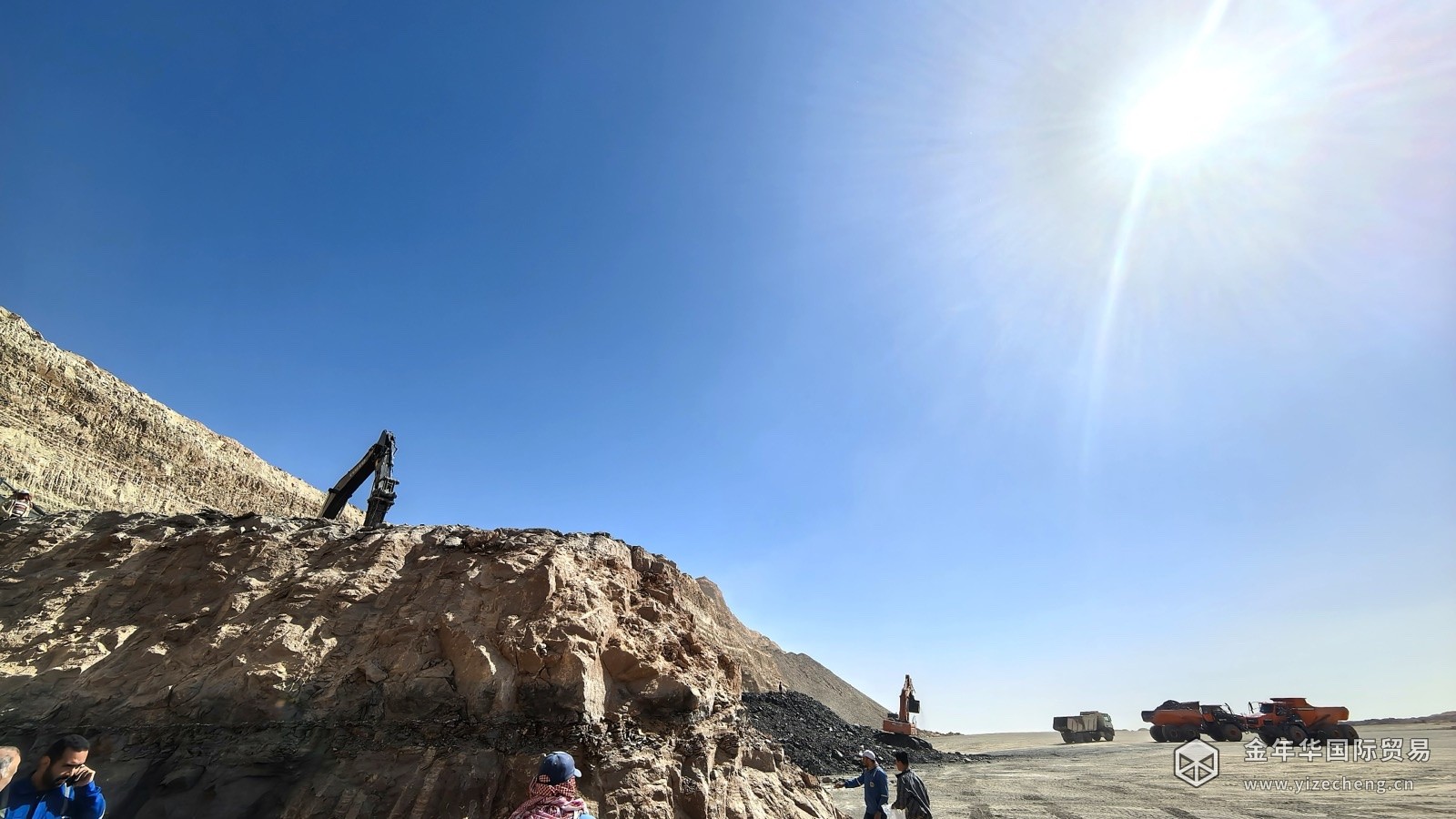
Phosphogypsum used to go mainly into building materials, as cement set retarder and plasterboard, high in volume but low in value. As the property market adjusted, that route narrowed. The large projects publicised this September all turn to acid co-production.
- Jingzhou, Hubei: the capacity replacement plan for Yuntu New Energy Materials (Jingzhou) Co., Ltd.’s 2 million t/y phosphogypsum-to-acid project co-producing 750,000 t/y of cement clinker was announced after public consultation from 31 August to 11 September 2026 (Hubei Provincial Department of Economy and Information Technology, 14 September 2026). That scale ranks among the largest projects of its kind in China.
- Yichang, Hubei: the first phase of Yichang Xinyangfeng Phosphorus Chemical Technology Co., Ltd.’s 3 million tonne phosphogypsum decontamination and comprehensive utilisation project passed an energy conservation review. Phase one covers 1.5 million tonnes of decontamination and filter-dewatering equipment, with production scheduled to reach design capacity in November 2027 (Yichang Development and Reform Commission, 26 August 2026).
- Anning, Yunnan: Yunnan Construction and Investment Holding Group’s phosphogypsum comprehensive utilisation project carries total investment of RMB 420 million and uses phosphogypsum and industrial solid waste to make mine ecological restoration materials, engineered stone and various building materials. Its ambient-temperature process for treating raw phosphogypsum is the first of its kind in China; the phosphogypsum engineered stone it produces reaches a compressive strength of 50 to 60 MPa and can replace natural sand and gravel. Phase one took three months from construction start to production, cumulative absorption reached about 200,000 tonnes of phosphogypsum by August 2026, and annual absorption is expected to reach 1 million tonnes by 2028 (People’s Daily Online Yunnan Channel, 3 September 2026).
What the three routes share is that none relies on building materials alone. Sulphuric acid, cement clinker, ecological restoration materials and engineered stone are all outlets for absorbing phosphogypsum. The arithmetic behind it is straightforward: sulphuric acid is a must-have input for phosphoric acid production, so making acid from phosphogypsum absorbs the solid waste and hedges sulphur price volatility at the same time.
3. The Policy Toolkit: Money, Quotas and Market Access
Yichang’s Implementation Plan for Comprehensively Strengthening the Comprehensive Utilisation of Phosphogypsum (Yifu Banfa [2026] No. 23) sets a reward of RMB 20 per tonne of phosphogypsum utilised on a dry basis, capped at RMB 2 million per company per year; companies in the sector attending domestic or international trade exhibitions receive a 50% subsidy on exhibition costs, capped at RMB 20,000 per company per event. The municipal special fund allocates RMB 20 million a year. At provincial level, Guizhou supports the sector through its industrial and information technology development special fund, and one phosphogypsum resource utilisation project in Xifeng County received RMB 3 million from that fund.
Beyond funding, mining quotas serve as a reward-and-penalty lever. Yichang’s plan reserves at least 1 million tonnes of phosphate rock mining quota each year within the city’s total output control plan to reward phosphogypsum generators with strong utilisation results, and takes a zero-tolerance approach to illegal transfer and dumping, imposing heavier penalties under the law with linked reductions in mining quotas.
Market access is tightening as well. Where comprehensive utilisation targets are missed, the principal officials of the relevant county, district or municipal department are summoned for talks, and approvals for new small-scale pure calcium powder projects are being squeezed.
4. What These Changes Mean for Mineral Procurement
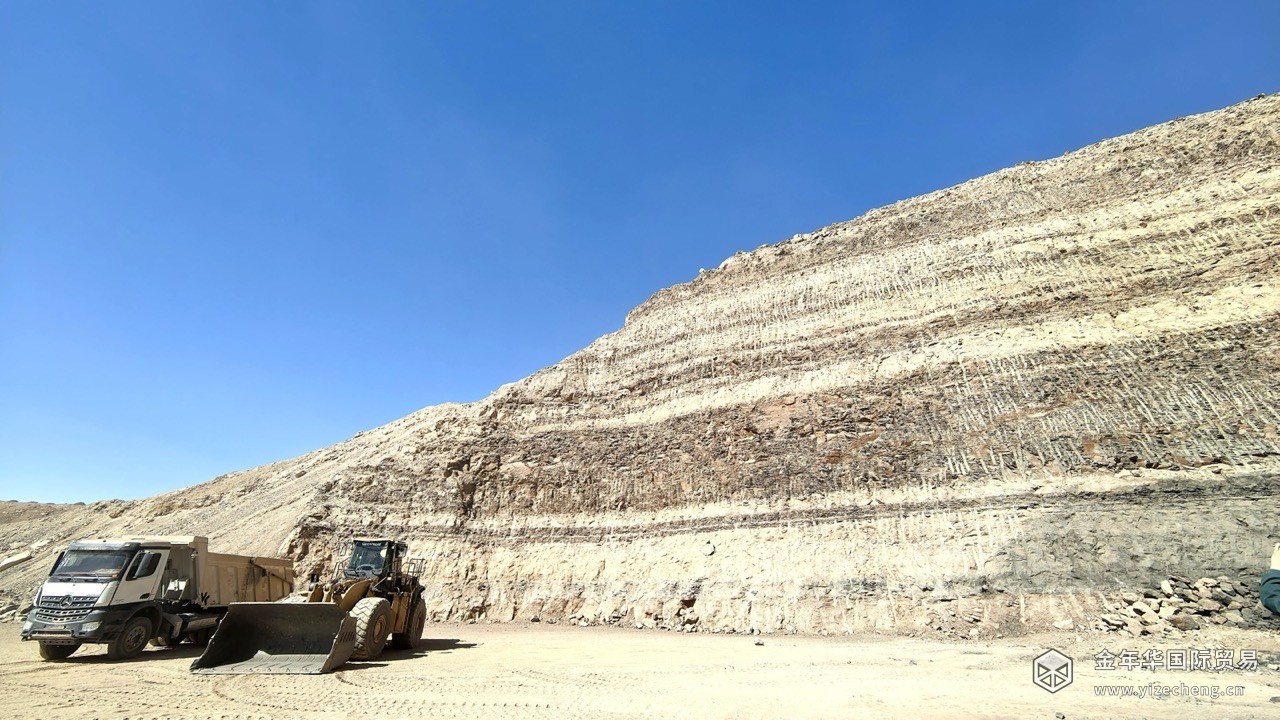
Phosphate rock supply will concentrate further among leading companies with solid waste absorption capacity. Small and mid-sized phosphorus chemical producers without phosphogypsum handling facilities will struggle to raise output even if they secure ore, and their purchased raw material needs will depend more heavily on stable channels.
The substitution logic for sulphur is also worth tracking. Making acid from phosphogypsum consumes more than 2 tonnes of phosphogypsum per tonne of sulphuric acid, so at scale it will divert part of sulphur-based acid demand. For plants buying both sulphur and phosphate rock, the two cost lines need to be read together.
When signing purchase contracts, it is worth factoring in a supplier’s solid waste compliance status. In regions applying the waste-based production cap, how much phosphogypsum a company can absorb effectively caps its delivery capability.
5. FAQ
What is phosphogypsum made of? Calcium sulphate dihydrate (CaSO₄·2H₂O), a by-product formed when sulphuric acid digests phosphate rock in wet-process phosphoric acid production.
What exactly does the waste-based production cap mean? The total phosphogypsum a company can absorb and dispose of in a year sets the maximum production scale for its phosphoric acid, ammonium phosphate and related products the following year. Companies that miss comprehensive utilisation targets are required to cut output or halt production pending rectification.
Why is phosphogypsum utilisation shifting from building materials to acid? The building materials route stays under pressure from the property market adjustment, whereas sulphuric acid is a rigid input for phosphoric acid production. Co-producing acid absorbs the waste and cuts reliance on purchased sulphur, giving more stable economics.
Does phosphogypsum utilisation affect imported phosphate rock? Yes. Domestic phosphorus chemical capacity release is constrained by solid waste handling capability, which affects actual domestic phosphate rock output and procurement timing, and shifts the relative pricing of imported material.
Related Reading
- Phosphate Rock Listed as a National Strategic Mineral: Output Capped at 145 Million Tonnes, High-Grade Ore Banned from Export
- Tight Sulphur, Phosphoric Acid Up RMB 1,000 in a Month: How Cost Reaches the Buyer
- Phosphate Rock to Phosphoric Acid to Phosphates: Where the Value Actually Sits in the Chain