

In the previous article we compared the specifications of GCC, PCC and activated calcium carbonate (see “How to Choose Calcium Carbonate: GCC, PCC and Activated Grades”). Specifications answer “what it is“; this article covers “how to use it”. The same tonne of calcium carbonate has completely different requirements for mesh, whiteness and oil absorption depending on whether it goes into plastics, rubber or coatings. Choose wrong and the problem is not a slightly higher price — it is the strength and appearance of the finished product.
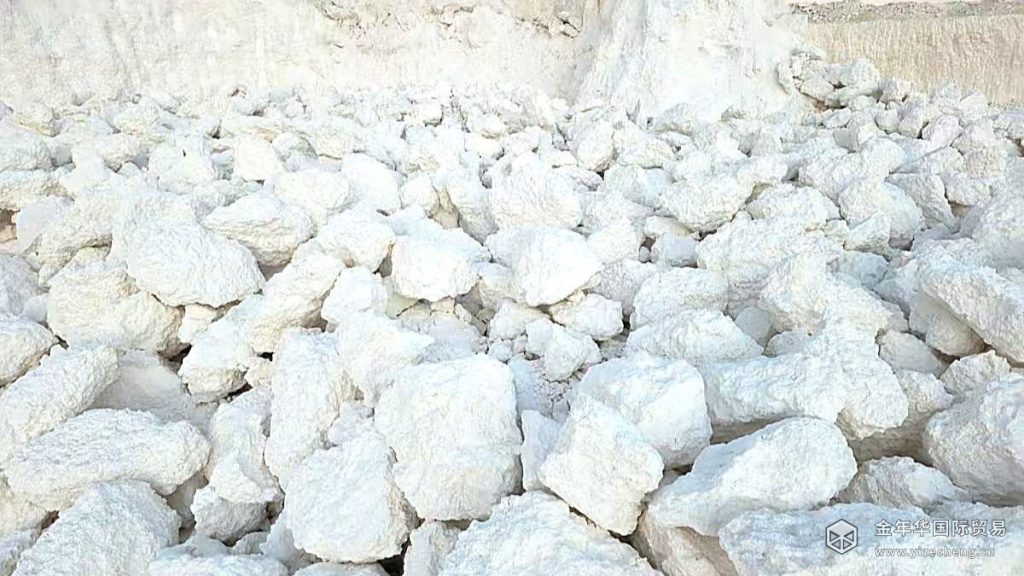
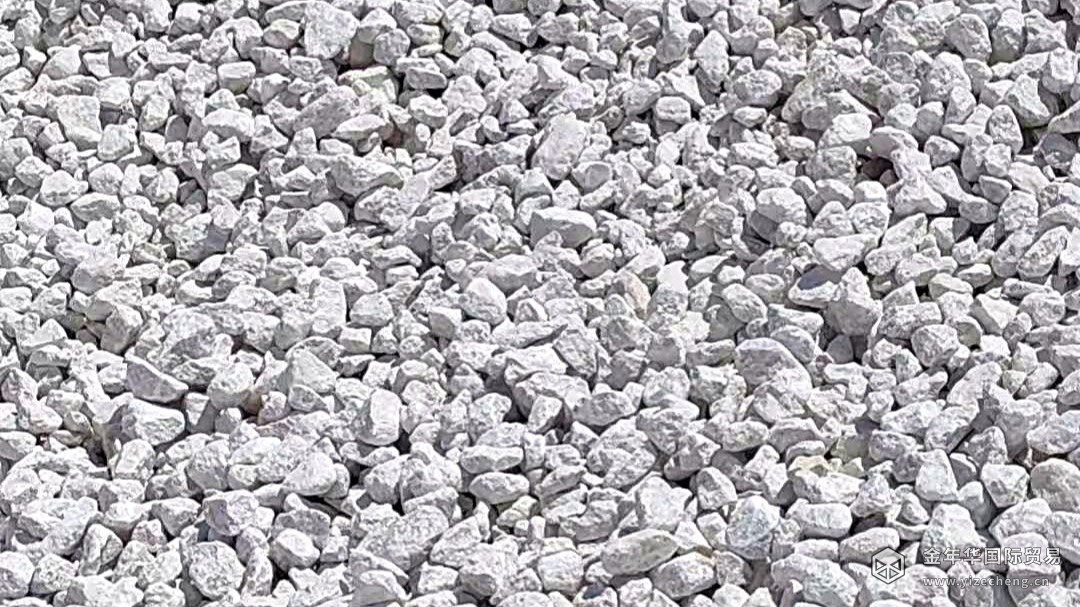
1. Three Indicators That Actually Drive Performance
Many buyers focus only on “GCC or PCC”, when they should really look at three numbers:
- Mesh (particle size): the higher the mesh, the finer the particles. Common filler grades sit between 800 and 1,250 mesh, and coatings use finer material still. But finer is not automatically better — smaller particles mean a larger specific surface area, and the oil absorption value rises with it. The cost of that is covered below.
- Whiteness: plastics and coatings are sensitive to whiteness, generally requiring ≥92, while paper fillers need 95 or above. Dark-coloured products tolerate lower whiteness, but light and white products turn grey.
- Oil absorption value: how much resin or oil a unit mass of powder absorbs. A high oil absorption value means more resin in the formulation just to wet the filler, which pushes cost up directly. Because PCC is made by chemical precipitation, its particles are finer and its structure looser, so its oil absorption value is generally higher than GCC of the same specification. That is also why nano and industrial grades can differ threefold in price, as covered in “The Same PCC Quoted at Three Times the Price” — fineness and surface treatment account for most of it.
In one line: mesh decides feel, whiteness decides appearance and oil absorption value decides cost. All three have to be read together.
2. Calcium Carbonate in Plastics: Filler Masterbatch Trade-offs
Plastics are the largest user of calcium carbonate, mainly in filler masterbatch and modified compounds.
GCC is the most common choice in PP and PE filler masterbatch: low cost, good flow, and 800–1,250 mesh is generally sufficient. Modified plastics with higher requirements use wet-process ultra-fine GCC for more consistent whiteness and dispersion. PCC, with its high oil absorption value and slightly better toughening effect, is used more in mid-range products that need some reinforcement; but leave headroom in the resin content of the formulation, or processing viscosity will climb.
Activated calcium carbonate (GCC or PCC coated with stearic acid) shifts the surface from hydrophilic to lipophilic and is more compatible with organic resins. It is mainly used in engineering plastics and automotive compounds where interfacial bonding matters, and the price is clearly a step higher.
In practice, set the bottom line for whiteness and strength first, then work back to the mesh and whether activation is needed. Do not start by chasing the finest and whitest grade — the extra spend does not necessarily buy performance.
3. Rubber and Coatings: Two Different Logics
In rubber, calcium carbonate mainly fills and provides some reinforcement. PCC’s finer particles give it a slight reinforcement advantage after dispersion, but its high oil absorption value affects the curing system and hardness, so the formulation has to balance the two. GCC wins on price and ease of dispersion and is widely used in high-volume general rubber products.
Coatings follow a different logic. They care more about opacity and dispersion stability: powder that is fine enough and low in impurities (especially iron and heavy metals) reduces floating colour and flooding, while high whiteness suits white paint fillers. Both PCC and GCC work here, and the deciding factor is whether the particle size distribution and surface treatment fit your resin system.
Paper fillers are the reverse case. GCC is the main filler for woodfree and coated paper because of its low cost and adequate whiteness, and mesh control and abrasion control are the priorities.
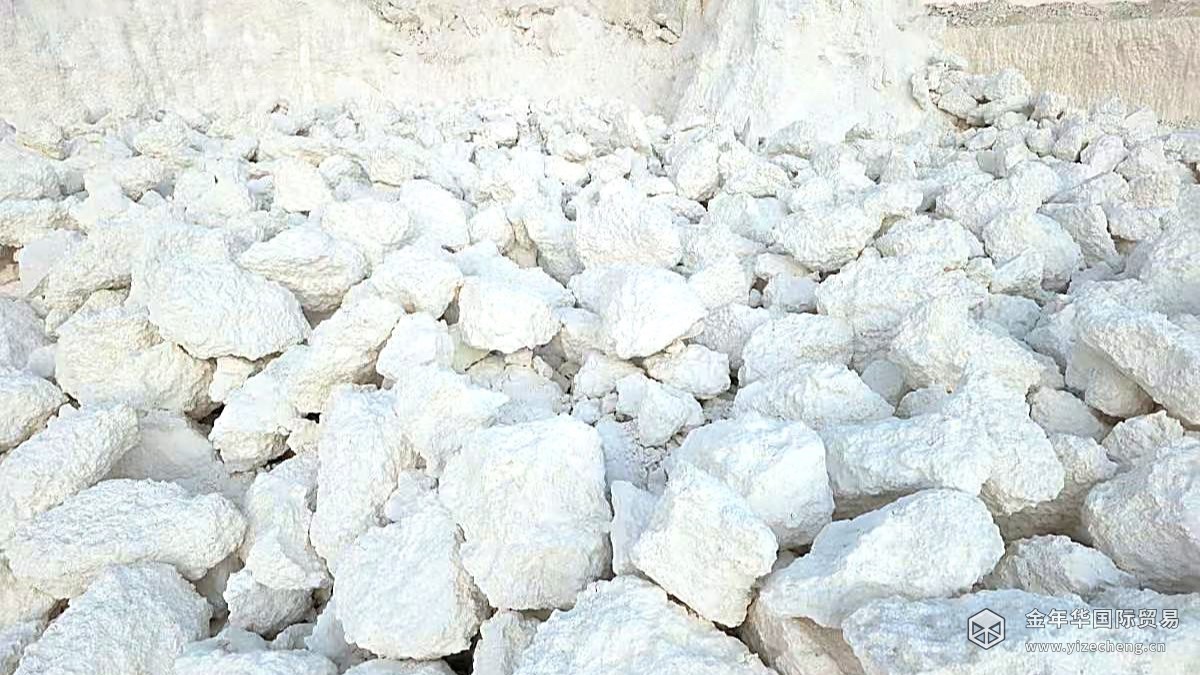
4. Common Pitfalls in Grade Selection
1. Comparing unit price without comparing oil absorption value: powder with a high oil absorption value looks cheap, but the formulation consumes more resin and total cost can end up higher.
2. Chasing fineness blindly: ultra-fine powder is harder to disperse, and without proper surface treatment it agglomerates, so performance falls rather than rises.
3. Ignoring impurities: iron content, heavy metals and moisture directly affect light-coloured products and downstream processes, so incoming material needs a testing basis.
Calcium carbonate itself is not complicated. The difficulty is putting the right specification into the right process. List the bottom-line indicators for your product, then compare using the three numbers — mesh, whiteness and oil absorption value — and you will rarely go wrong. The industry as a whole is moving upmarket: under pressure from overcapacity, functional and application-specific grades (see “Calcium Carbonate and Ore Processing: Overcapacity, Tightening Environmental Rules and the Move Upmarket”) will be the main theme from here.