

Egypt used its mining forum this week to put numbers behind a strategy it first signalled in May: keep raw phosphate at home, and build the processing capacity to export something more valuable. For buyers who count on Egyptian ore, the practical question is no longer whether the policy exists, but how long the raw-material window stays tight — and what fills the gap in the meantime.
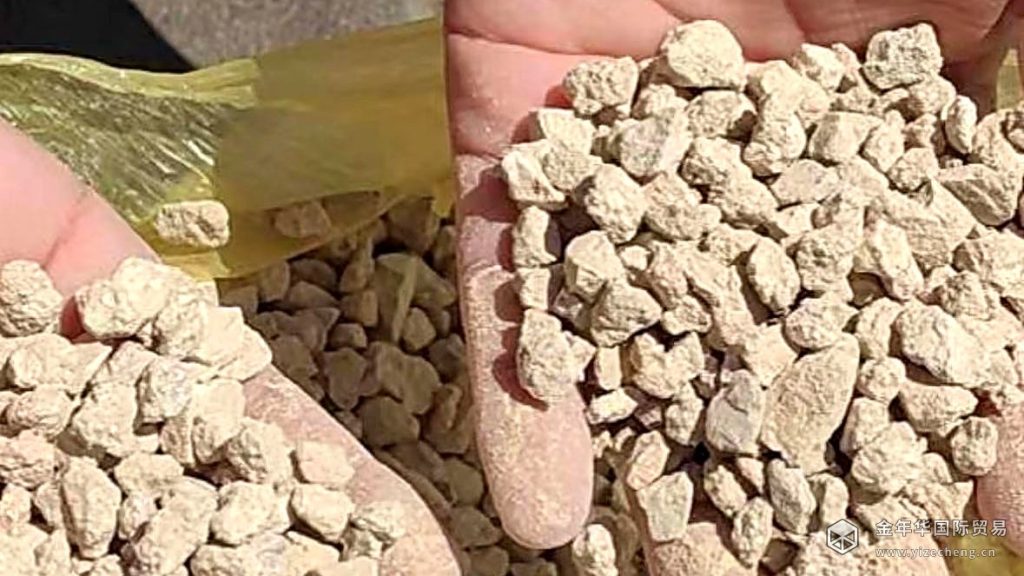
What Cairo announced
Egypt Mining Forum 2026 opened in the New Administrative Capital on 28 September 2026, with President Abdel Fattah El-Sisi attending. Minister of Petroleum and Mineral Resources Karim Badawi used the opening to restate the target: lift mining to around 6 percent of GDP, against less than 1 percent today. A minerals roadmap is being prepared, and the World Bank has expressed interest in providing initial financing.
The bid figures are the concrete part. Since June, 119 companies have submitted 403 bids covering 118 mining blocks, according to ministry spokesman Mahmoud Nagy — roughly 3.4 bids for each block that drew interest. Gold, phosphate and kaolin blocks are offered continuously under an open area system, in which a block is awarded to the applicant if no other investor bids within 30 days.
On phosphate specifically, Badawi repeated the position that no new contracts to export raw phosphate are being concluded, while existing export contracts continue to be honoured. Egypt holds the world’s third-largest phosphate reserves, and the stated aim is to push the ore into fertiliser and local manufacturing before it leaves the country. A 2025 law converted the Mineral Resources Authority into the Mineral Resources and Mining Industries Authority as an economic authority, and a package of investor incentives has begun to roll out.
The processing pipeline carries the real dates
Two project figures disclosed at the forum matter more than the headline policy, because they are what the policy actually rests on. Abu Tartour’s first phase is planned to produce 480,000 tonnes a year of phosphoric acid, with first output targeted from the fourth quarter of 2028. Al-Sibaiya East, Site 4, is put at about 2 million tonnes a year of phosphate capacity. Both figures were stated by site officials at the forum’s opening on 28 September 2026.
Read together, the timeline sharpens. Mine-to-acid and mine-to-phosphate projects are the mechanism through which raw ore gets diverted into domestic processing. But 480,000 tonnes of phosphoric acid from the fourth quarter of 2028 means the first material contribution is still more than two years away — and that is the target date, before commissioning risk, ramp-up and slippage. A buyer planning supply for 2027 cannot treat that capacity as available.
What is happening at the mines now
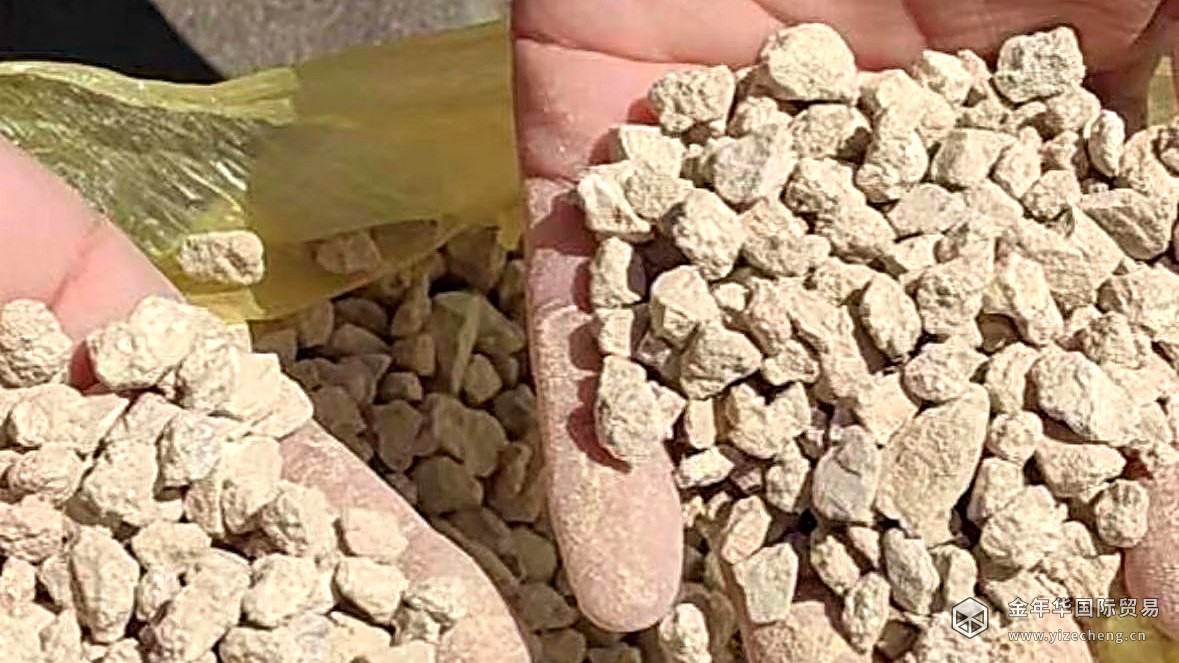
Mysteel’s September review, published on 28 September, reports that phosphate exports from Egypt’s Abu Tartur mine remain at a standstill. Producers have responded by increasing output at Red Sea operations, and they deny earlier reports of falling export prices, saying price levels are holding. The operative point for buyers is that Egyptian export availability has not improved — tonnage has been redirected inside the country rather than expanded.
Where the near-term alternative sits
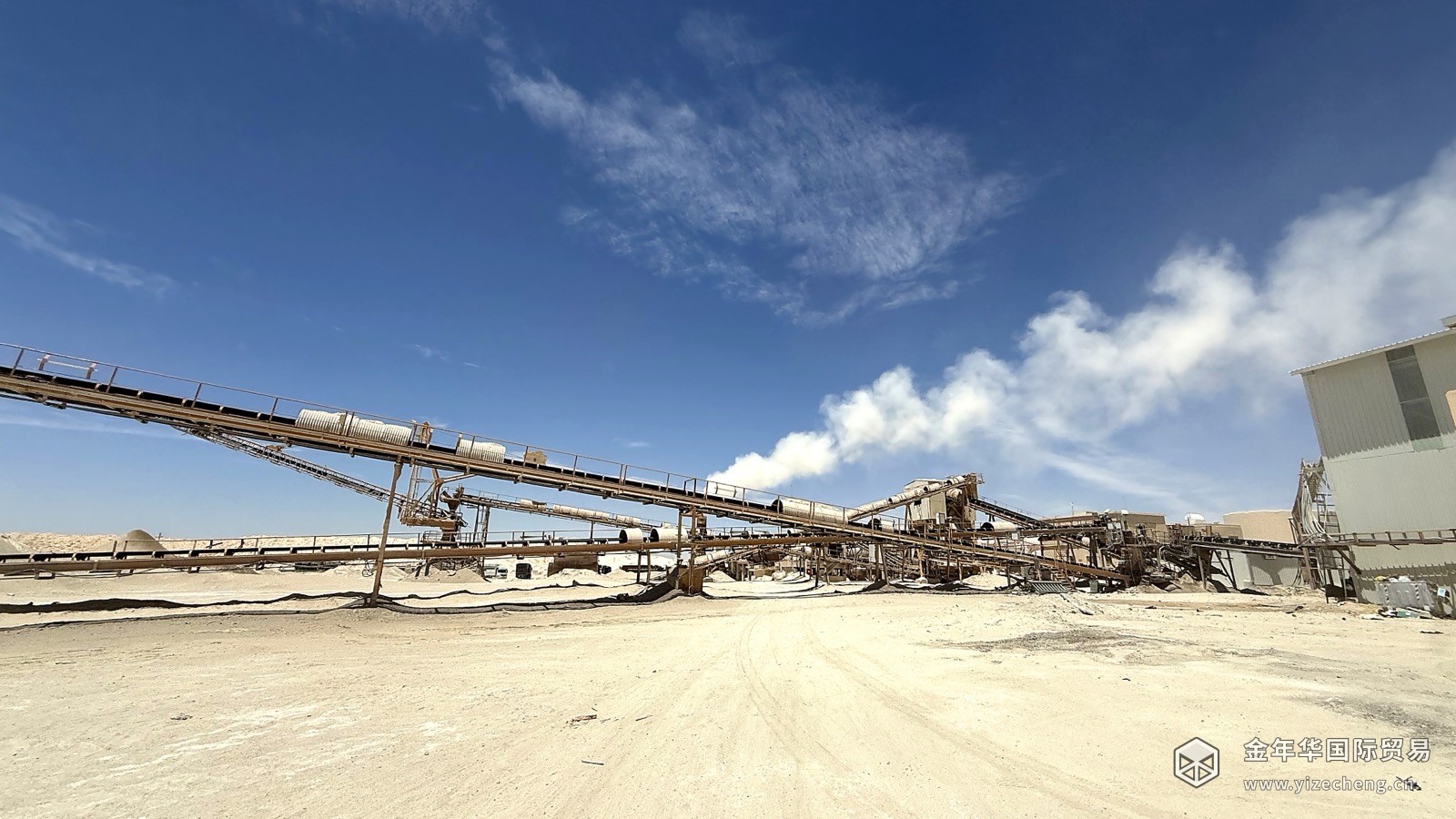
Jordan is the obvious substitute, and its pricing is currently the calmest part of the picture. Jordanian 64–66 BPL (29.3–30.2% P2O5) was quoted at FOB Aqaba in the upper 90s USD per tonne in late September, essentially flat month on month.
For a sense of where competitive delivered pricing stands further east, Indian importers were seeing 70 BPL (32.0% P2O5) at CFR in the upper 190s USD per tonne, with 70–72 BPL in the mid-200s. The gap between Aqaba FOB and Indian CFR is the freight and risk component, and it is worth pricing explicitly rather than treating as a lump sum.
What this means for procurement
- Treat Egyptian raw tonnage as a narrowing window, not a baseline. Existing contracts are being honoured, so current volumes continue. What has stopped is the ability to add new supply. Build your 2027 plans on the assumption that incremental Egyptian raw material will not be available on short notice.
- Convert grades before you compare. BPL and P2O5 are different scales, and mixing them is a reliable way to buy badly. Jordanian 64–66 BPL is 29.3–30.2% P2O5; 70 BPL is 32.0%. An Egyptian offer quoted at 30% P2O5 and a Jordanian offer at 64 BPL may look a grade apart and be almost identical.
- Price freight as its own line. The Aqaba-to-India spread shows how much of a delivered price is logistics rather than rock. Where you can fix freight separately, do it, and where you cannot, test what a route change does to the landed number before conceding on grade.
- Lock duration where a supplier will give it. In a market where one origin is withdrawing from the raw-ore trade and another is stable, the value of a firm annual frame is higher than the value of a slightly better spot quote.
- Watch the two Abu Tartour and Al-Sibaiya milestones rather than the policy headlines. The policy is already decided. Whether Egyptian processed product starts displacing raw ore on schedule in late 2028 is what will actually reshape availability, and that is a project-execution question, not an announcement question.
FAQ
Does restricting new export contracts mean Egypt has stopped exporting phosphate rock? No. The restriction applies to new contracts. Contracts already signed continue to be honoured, which is why export volumes have not gone to zero — but new buyers cannot easily enter, and existing buyers cannot easily add volume.
What is BPL, and how does it convert to P2O5? BPL stands for bone phosphate of lime, a commercial grading convention still widely used for traded phosphate rock. Jordanian 64–66 BPL corresponds to 29.3–30.2% P2O5, and 70 BPL corresponds to 32.0%. Always confirm which scale a quotation uses before comparing offers.
Can Jordan replace Egyptian volume? Not in full, at least not immediately — Jordan’s export base is smaller. What Jordan does provide is a stable, price-flat alternative that removes single-origin risk. For buyers who had concentrated on one origin, that alone is worth the qualification effort.
When will Egyptian processed phosphate reach the market? The stated target for Abu Tartour’s first phase is 480,000 tonnes a year of phosphoric acid from the fourth quarter of 2028. Treat that as a target rather than a delivery date, and plan nothing on it before it is commissioned.
Why would a producer deny reports of falling export prices? Because a falling quote signals weak demand and invites buyers to hold off. Producers at Abu Tartur have publicly disputed reports of price declines and said levels are holding — which is itself a signal about how they read the market.