

How strongly the sulphuric acid industry is running has a direct bearing on the pace of pyrite purchasing. When downstream sulphuric acid and chemical demand is steady, the premium on high-sulphur ore is clear. Looking further out, a rising share of acid from smelter off-gas and from greener processes will reshape the structure of sulphur supply, and buyers need that variable inside their assessment.
1. Three Sources of Sulphur Behind Sulphuric Acid
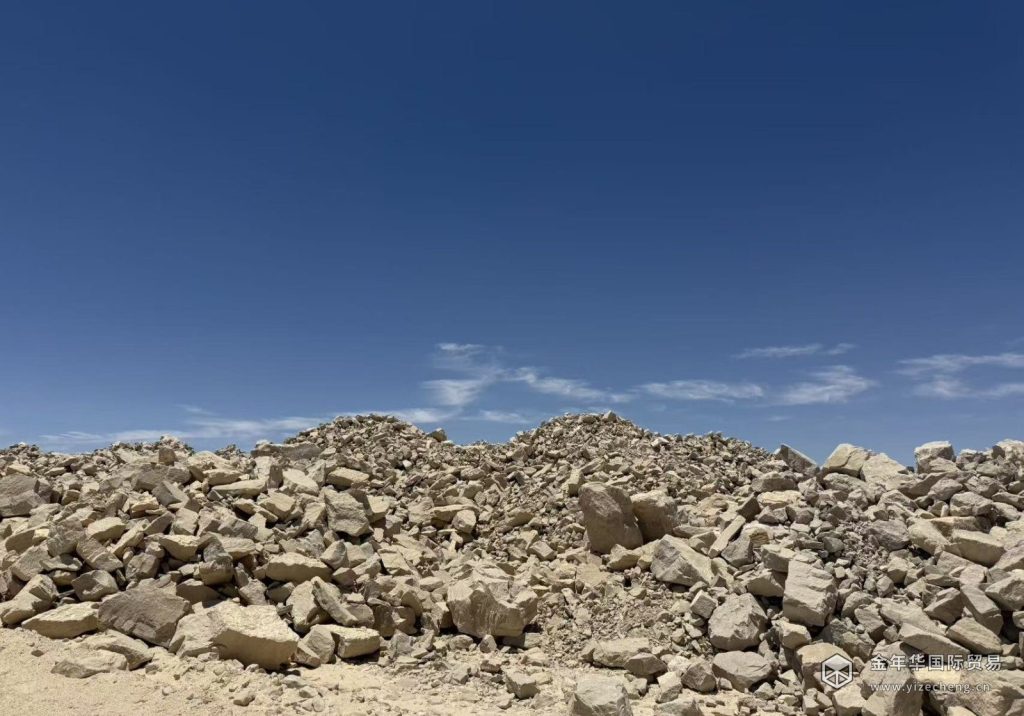
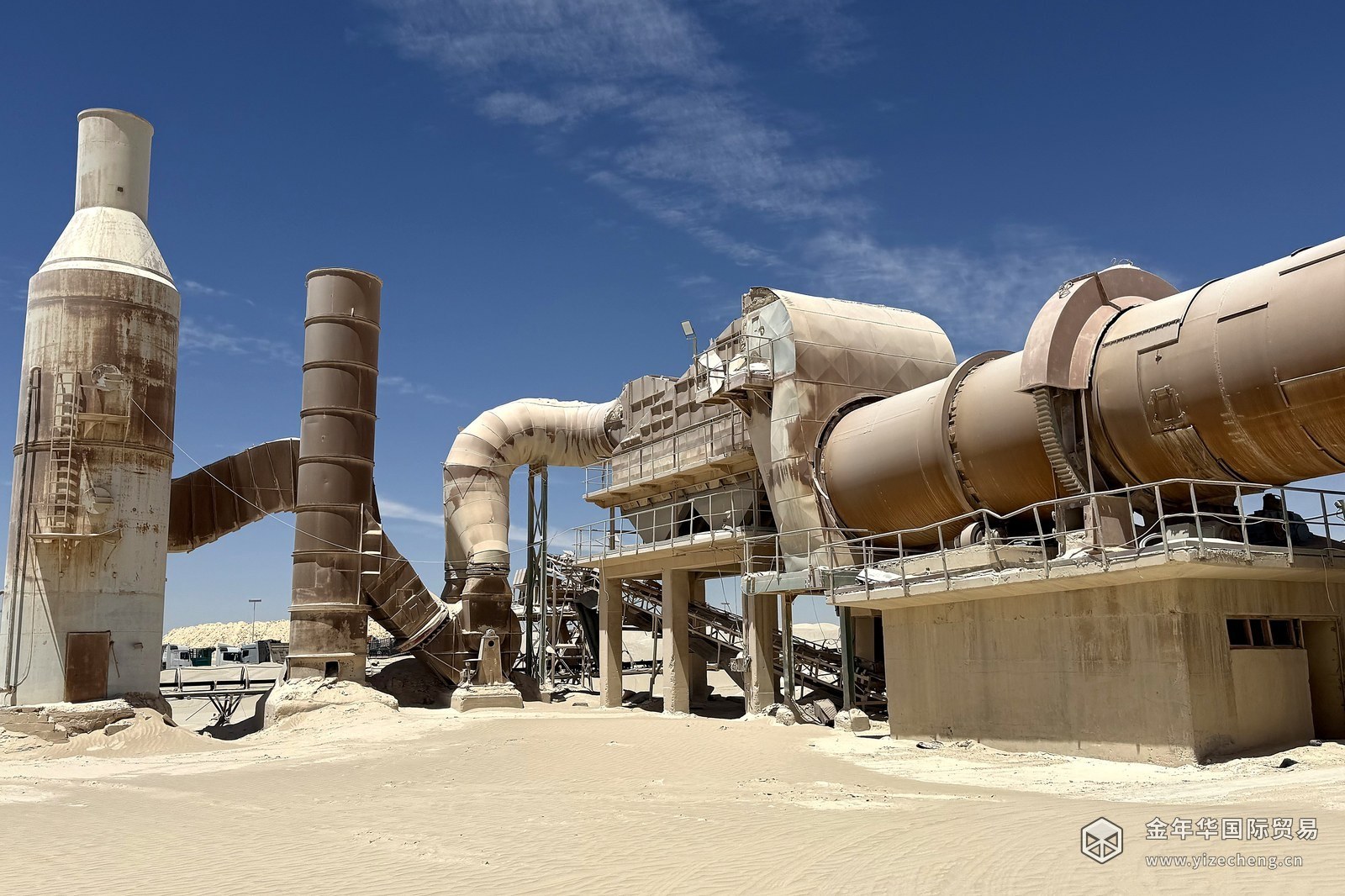
China’s sulphuric acid has three main sulphur sources: acid made from sulphur, acid made from pyrite, and acid recovered from off-gas at non-ferrous smelters. Each line has its own cost curve and supply elasticity.
Sulphur depends largely on imports and refinery by-product output, so its price moves with international crude and refinery operating rates, and its elasticity is the greatest of the three. The cost of pyrite-based acid is comparatively stable but more sensitive to ore prices and freight, which suits long-cycle, steady supply arrangements. Smelter off-gas acid is a by-product whose output follows non-ferrous smelting rather than the sulphuric acid market itself.
When the relative costs of the three lines shift, the procurement mix adjusts. When sulphur prices are high, the economics of pyrite-based acid improve — which is the basic logic behind pyrite demand edging up.
2. Why Sulphur Price Swings Lift Pyrite Demand
That transmission chain has been demonstrated very clearly this year. After shipments of Middle East sulphur were disrupted, sulphur and sulphuric acid prices rose in succession, wet-process purified phosphoric acid and yellow phosphorus followed, and the cost was squeezed down the chain layer by layer. Sulphur is the main feedstock for sulphuric acid, so once it tightens, the value of the pyrite-based alternative gets reassessed.
For pyrite buyers that means one thing: demand for pyrite is not determined solely by its own market. The sulphur price upstream is its shadow variable. Following sulphur often gives an earlier signal than watching pyrite quotations themselves. The full breakdown of that chain is in Sulphur Tight, Phosphoric Acid Up RMB 1,000 in a Month: How Cost Reaches the Buyer.
3. Where the High-Sulphur Premium Comes From
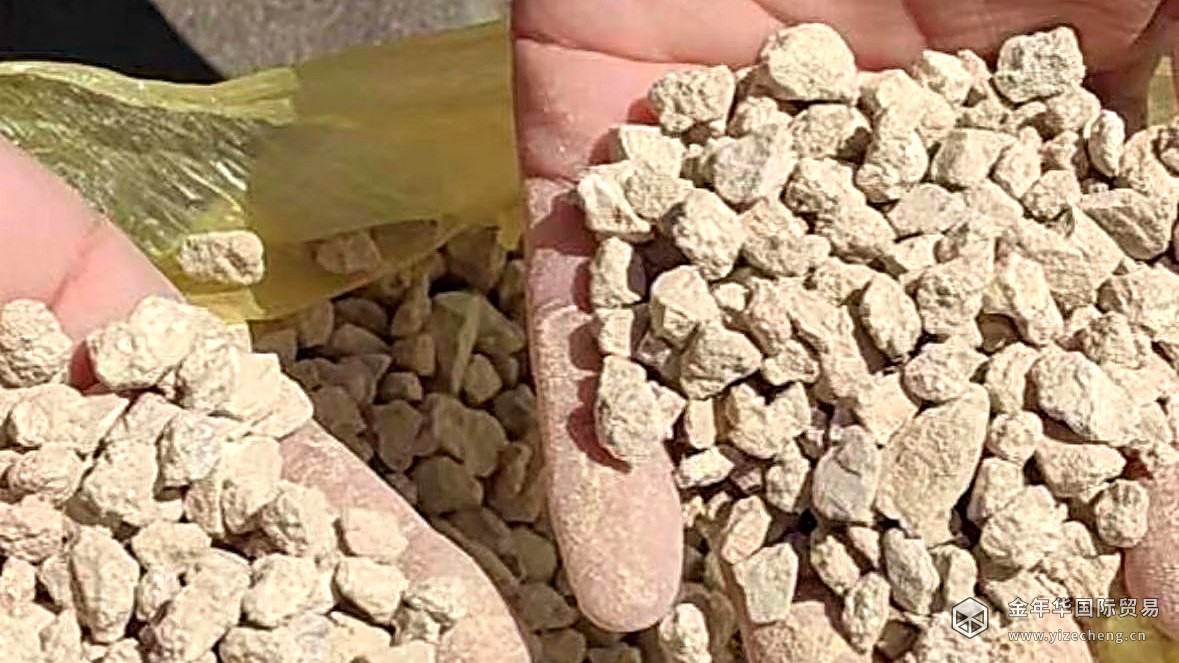
The value of pyrite lies in its sulphur content, together with the levels of associated elements: iron, lead, zinc, arsenic and fluorine. A higher sulphur grade means more sulphuric acid per tonne of ore, spreading freight and processing costs over more output. High impurities bring environmental and by-product handling burdens in the roasting stage.
So the high-sulphur premium rests on the cost of the whole flow: grade is the number that catches the eye, but what is actually saved is freight and processing cost. When comparing offers on sulphur grade alone, it is easy to overlook the hidden cost of impurities. Ore with arsenic or fluorine above the limit can have a high sulphur grade and still see the premium consumed by downstream handling.
Most pyrite goes downstream into sulphuric acid, and sulphuric acid feeds into phosphoric acid and phosphate fertiliser. Phosphate Rock to Phosphoric Acid to Phosphates: Where the Value Actually Sits explains how value added is distributed along that chain, which helps in judging how stable downstream demand is.
4. Procurement and Acceptance Points
- Read sulphur grade and impurities together. Sulphur content determines output; arsenic, fluorine, lead and zinc determine downstream cost.
- Particle size and moisture affect roasting. An unsuitable size distribution raises crushing costs, and high moisture adds dead weight to freight.
- Batch consistency outranks a single lot’s figures. Roasting systems tolerate limited variation in feed, so stability is worth more than a one-off high grade.
- Write sampling and re-testing clauses into the contract. Sulphur content is the basis of pricing, and how representative the sample is decides the settlement figure.
Conclusion
Pyrite demand is edging up on two drivers: the substitution effect created by sulphur price swings, and steady chemical demand downstream of sulphuric acid. Over the medium term, a rising share of smelter off-gas acid will squeeze part of the traditional pyrite market, but high-sulphur, low-impurity ore will still see steady demand. On the procurement side, tracking the sulphur price as a leading indicator is more useful than watching pyrite quotations in isolation.
Related Reading
Sulphur Tight, Phosphoric Acid Up RMB 1,000 in a Month: How Cost Reaches the Buyer
Phosphate Rock to Phosphoric Acid to Phosphates: Where the Value Actually Sits
Phosphate Rock Market Outlook 2026: Tight Supply, High Prices and Procurement Response