

India entered the rabi 2026-27 season on 1 October with comfortable fertiliser stocks but an uncomfortable bill. DAP inventories stood at about 2.35 million tonnes as of 30 September, roughly 17% higher than a year earlier, with comfortable positions reported in Punjab, Haryana, Madhya Pradesh, Uttar Pradesh and Rajasthan (Business Standard, 4 October 2026). Yet the same data set shows the average landed cost of imported DAP at around USD 925 per tonne in August 2026 — about 14.3% above the same month last year — and a subsidy bill that the Fertilizer Ministry now expects to exceed INR 3 lakh crore this financial year. For buyers and sellers of rock phosphate, the more consequential development is a policy shift: the government is preparing a differential subsidy for DAP that varies by production route, which would change the relative economics of importing rock phosphate, importing phosphoric acid, or importing finished DAP.
1. Comfortable Stocks, Record Subsidy
The stock position is genuinely better than in recent rabi seasons. Country-wide DAP stocks reached 2.35 million tonnes by 30 September, nearly one-fifth higher year on year, and urea inventories hit a multi-year high of almost 6.8 million tonnes, more than 86% above the previous year (Business Standard, 4 October 2026). India applies 10–11 million tonnes of DAP annually, making it the second-largest nutrient by volume after urea.
The cost side tells the opposite story. Sulphur, the input that turns rock phosphate into phosphoric acid, was assessed at around USD 1,050 per tonne, a 262% increase year on year. Against that, the per-bag subsidy on DAP has risen from INR 2,192 before the Gulf conflict to more than INR 3,523, while retail DAP remains effectively capped around INR 1,350 per 50 kg bag. Officials estimate the overall fertiliser subsidy near INR 3 trillion for 2026-27, against a budget estimate of about INR 1.7 trillion — a gap of roughly 76%.
The physical volumes behind the rabi plan were set at the annual rabi conference in late September: total demand of about 380.96 lakh tonnes across the five main fertiliser types, including 55.07 lakh tonnes of DAP and 31.1 lakh tonnes of single superphosphate (The Hindu BusinessLine, September 2026).
2. Why the Subsidy Structure Is Being Redrawn
Under the existing Nutrient Based Subsidy regime, the government fixes a per-kilogram subsidy for nitrogen, phosphorus, potash and sulphur, and the payout on any fertiliser follows from its nutrient composition. Because that method treats a tonne of DAP the same regardless of how it was made, it does not distinguish between three very different cost structures: DAP produced domestically from imported rock phosphate, DAP produced domestically from imported phosphoric acid, and finished DAP imported directly.
According to officials quoted in the Indian press, the government is preparing a differential DAP subsidy — potentially three rates for the same product — with support tiered according to the production route and referenced to floor prices for imported rock phosphate and phosphoric acid (ET Government, 2026). The stated aim is to make domestic production more viable relative to finished imports, and to encourage producers using rock phosphate to pass the resulting margin advantage through. The new structure could take effect from the current rabi season.
Two other cost markers show how far the input chain has moved. The Fertilizer Secretary put imported DAP cost at USD 940 per tonne after the conflict, against USD 681 per tonne before it; phosphoric acid rose from USD 1,290 to USD 1,700 per tonne over the same period; and domestic production of complex fertilisers fell 26% year on year (The Hindu BusinessLine, September 2026).
3. What This Means for Rock Phosphate Sourcing
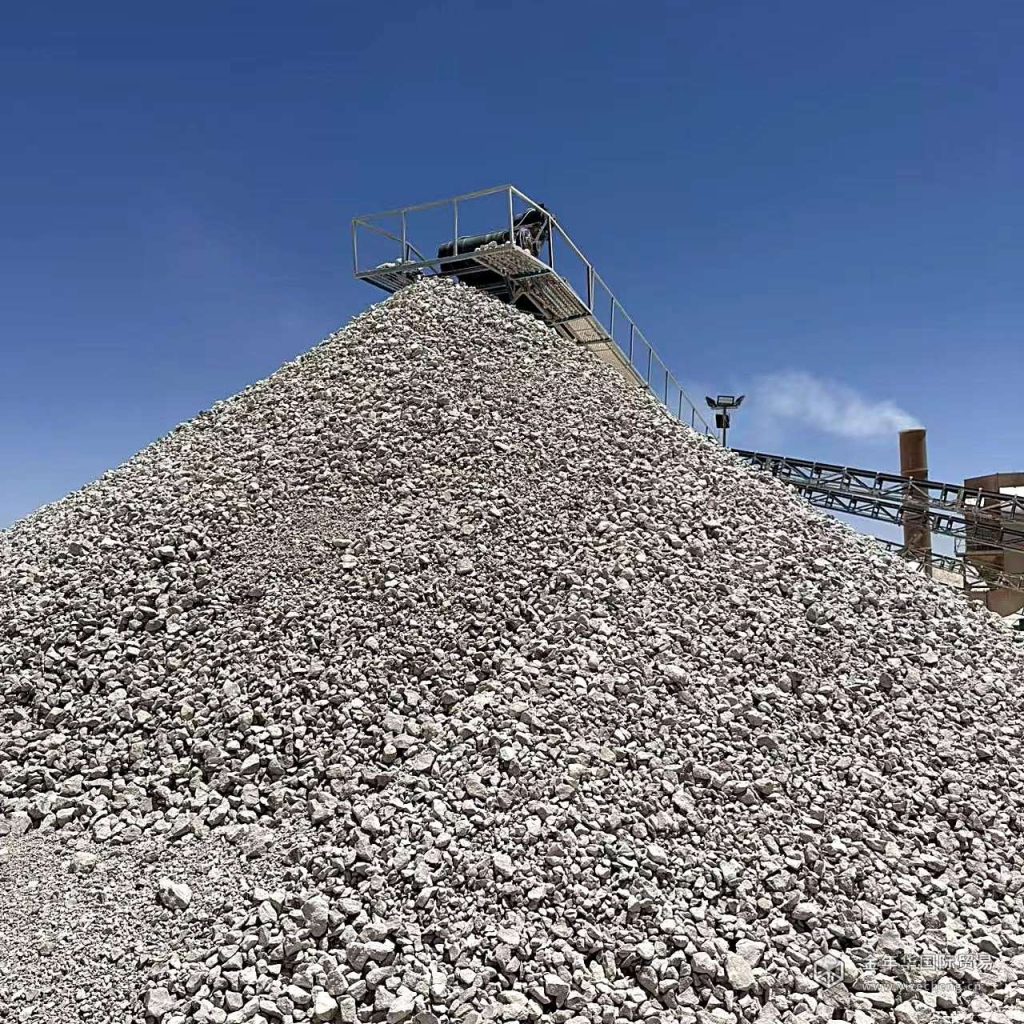
First, a route-based subsidy is a structural demand signal, not a seasonal one. If domestic DAP manufacturing from imported rock phosphate is granted a more favourable subsidy rate than finished DAP imports, the incentive to run Indian phosphoric acid capacity — and therefore to import rock phosphate — strengthens independently of the headline DAP price. Buyers watching Indian offtake should follow the NBS notification rather than the spot quotation.
Second, affordability, not availability, is the binding constraint on the phosphate chain right now. Market assessments put India DAP at about USD 895–910 per tonne delivered as of late September, down from a peak near USD 935 per tonne in late July but far above the USD 668–669 per tonne level at the start of 2026 (AFC and Fertimetrics weekly market update, week ending 25 September 2026). Restricted supply is slowing the correction; high production costs are limiting how quickly prices can fall.
Third, sulphur remains the variable to watch. With global sulphur supply still constrained and consumers having cut consumption in response to earlier prices, phosphate producers in several regions are running below capacity. For buyers of rock phosphate, the practical implication is that specification and logistics terms — origin documentation, assay parameters, loading windows — deserve as much attention as the headline price, because both sides of the trade are operating in a market where volumes can move faster than contracts.
Sources
Stock, price and subsidy figures: Business Standard, 4 October 2026; The Hindu BusinessLine, September 2026 (rabi conference reporting, Fertilizer Secretary Rajat Kumar Mishra). Differential subsidy proposal: ET Government, 2026. Market price references: AFC and Fertimetrics weekly global fertiliser update for the week ending 25 September 2026. Landed-cost and input-price figures are official statements reported by the outlets above; the subsidy proposal is at the planning stage and should be treated as proposed, not enacted, until formally notified.
For specification and quality parameters of phosphate rock, see our Egyptian phosphate rock and Jordanian phosphate rock pages; assay documentation practice is summarised under our product range.