

Container lines are moving back to the Suez Canal. Through October 2026, nearly all of the major ocean carriers are preparing to resume Suez transits, ending close to two years of routing around the Cape of Good Hope. For buyers sourcing bulk minerals out of Egypt and Jordan, the change matters on two lines only: transit time, and the cost of war-risk cover.
Carriers Are Moving Back to Suez Through October
The return is being described as tentative rather than wholesale. The Premier Alliance is among the first alliances confirmed to shift services back to the Suez route during October, with other carriers following in stages rather than on a single date. The decision reportedly reflects a change in the security-risk calculation for Red Sea transits rather than a formal all-clear.
The timing is awkward on the receiving side. The shift lands into a port system that is still working through congestion. Industry reporting in early October put roughly 8.5% of the global fleet in congestion-related delays, so the release of capacity from shorter routings will not translate into instant berth availability at every port. Shippers have been advised to review their Q4 routing assumptions rather than assume a clean switch.
What the Cape Routing Cost in Transit Time
Routing around the Cape of Good Hope added roughly seven to ten days to the main east-west headhaul voyages and absorbed a meaningful share of global effective container capacity. Two years of that pattern did three things to the market.
- It tied up tonnage. Longer voyages mean more ships in transit for the same volume of cargo, which is why the effective capacity of the global fleet fell without any ships being withdrawn.
- It put a premium on the affected lanes. Rates on the longer routing carried a Cape premium built on time and fuel, not on cargo demand.
- It distorted schedules. Arrival windows became harder to hold, which pushed buyers into larger safety buffers of inventory.
As the Cape premium unwinds, analysts expect downward pressure on rates for the affected headhaul trades. The effect is uneven. Trades that never routed around the Cape see less direct benefit, and any rate relief typically reaches contract negotiations with a lag of a quarter or more.
War-Risk Insurance Is Still the Open Question
Routing normalises faster than insurance markets do. In March 2026, most war-risk insurers issued Notices of Cancellation for designated high-risk areas covering parts of the Middle East and the Red Sea, and those exclusions continue to apply. That leaves an unusual split: vessels can transit Suez again, while cover for doing so still carries a premium or requires separate placement.
For a bulk cargo lifted from Aqaba or Safaga, war-risk is not a rounding error. It is a line item that can move independently of the freight rate, and it moves on security assessments rather than on supply and demand. Treat the situation as unresolved rather than settled, and expect the insurance line to lag any further improvement in routing.
What It Means for Buyers Sourcing from Egypt and Jordan
For bulk mineral cargoes, three practical points follow.
- Confirm the actual routing, not the expected one. A carrier returning to Suez on one service does not mean every vessel on that lane changes. Ask your supplier which routing the specific vessel is booked on, and which port of loading is confirmed.
- Ask where war-risk sits in the price. Some offers carry the surcharge inside the freight component, others bill it separately at cost. If it is not stated, you cannot compare two offers on the same basis. Our logistics and shipping pages describe how we structure loadings and documentation for these origins.
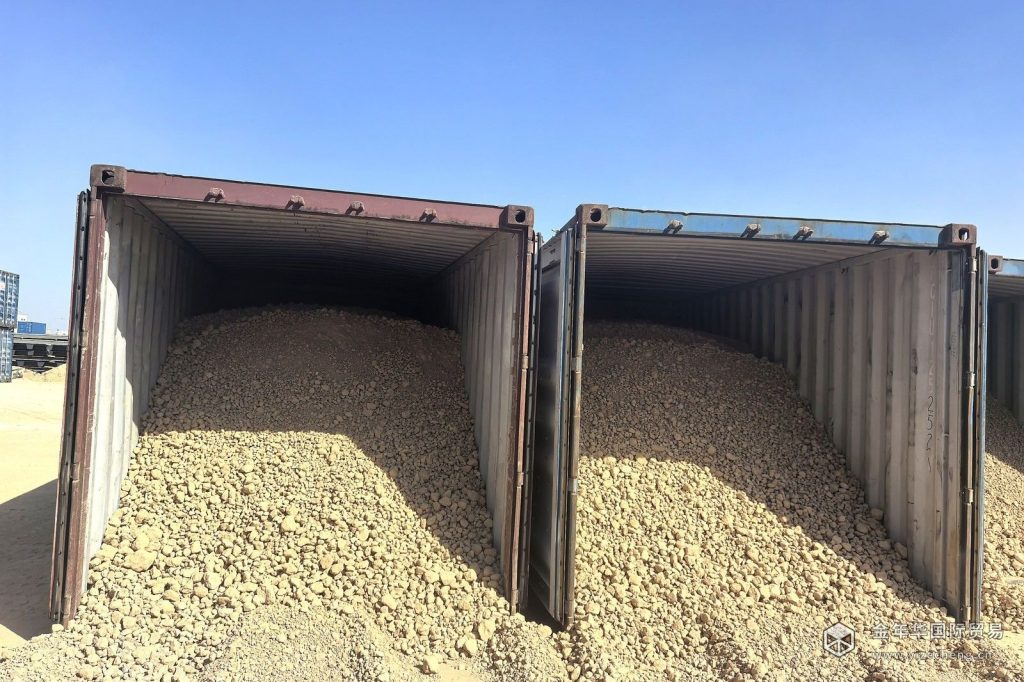
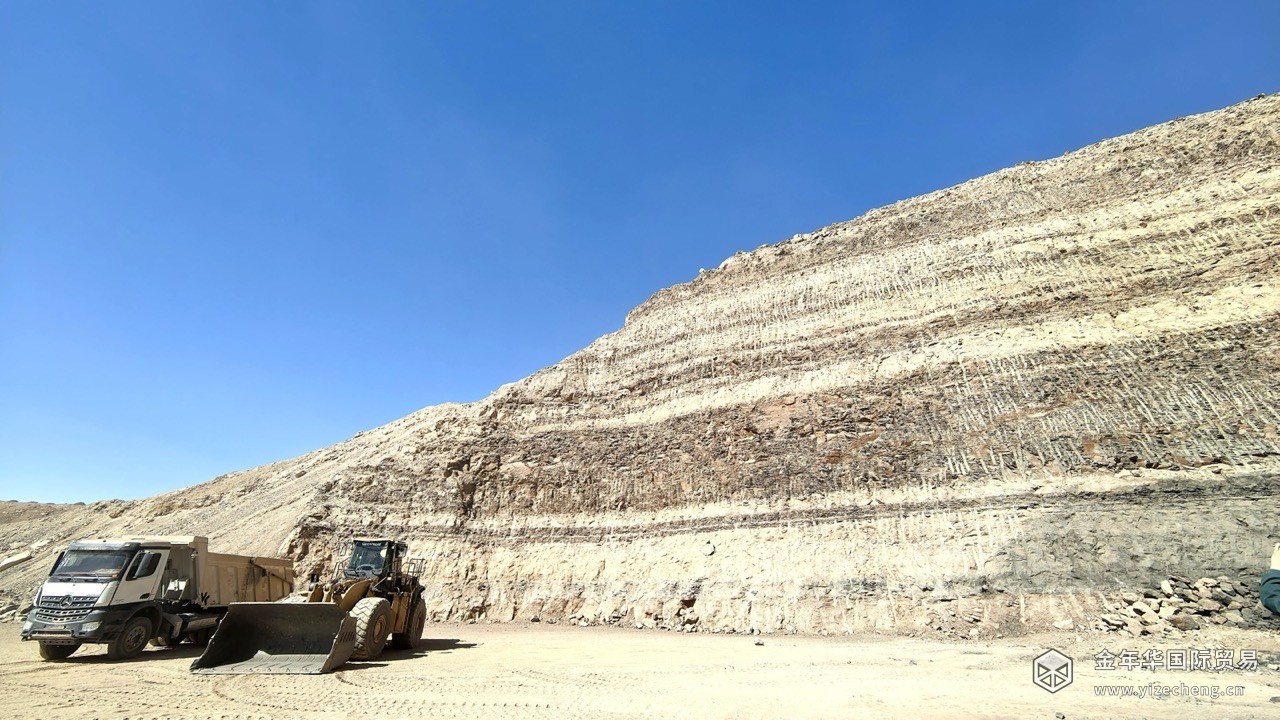
- Keep the origin picture current. Loading capacity and grades from Egyptian phosphate rock and Jordanian phosphate rock determine what can be scheduled; port and route conditions determine when it arrives. Both need checking, and neither is fixed for the quarter.
It is worth repeating what this article is not. It is not a statement on delivered prices or on transit-time commitments for any specific cargo. Routing and insurance conditions are changing month to month, and any commitment has to be confirmed against an actual booking.
Container Rates Are Only Half the Story for Bulk Cargo
Most of the reporting around the Suez return focuses on container rates. For buyers lifting bulk minerals, that is only half of the relevant picture. Container and dry bulk markets share a routing but not a rate mechanism.
- Container capacity is a scheduled fleet. When routings lengthen, effective capacity falls and rates respond quickly. When routings shorten again, capacity is released and rates can fall just as fast.
- Bulk vessels are chartered per voyage or per period. The effect is smoother, and shows up in time-charter and voyage estimates rather than in a weekly published index.
- Mineral cargoes are weight-limited, not volume-limited. The capacity constraint that drives container rates is usually not the binding constraint for a rock or fertilizer cargo.
The practical implication is that even if container headhaul rates fall sharply through the fourth quarter, the freight component inside a bulk mineral offer may move much less, and may lag by weeks. Buyers comparing offers from different origins should not assume a container-rate headline has already been reflected in a bulk quotation.

What to Recheck in Your Q4 Assumptions
Four items are worth a fresh look before the quarter closes.
- The routing assumption behind your schedule. If your landed-cost model still assumes Cape routing, the freight component is overstated for Suez-routed cargo and understated on insurance.
- The war-risk line, separately. Pull it out of the freight number and track it on its own. If it is bundled, ask for the split in writing.
- Port congestion buffers. Capacity released from shorter voyages takes time to reach berth availability. Keep arrival buffers for the next quarter rather than cutting them on the strength of a routing headline.
- Whether your freight is fixed or floating. A falling rate environment rewards floating freight and penalises long fixed commitments. Check when your current freight terms reset.
The direction of travel is clear, and it is favourable for buyers sourcing from these origins: shorter voyages, more effective capacity and a softer freight market. The pace is not uniform, and the insurance component is lagging the routing component. Buyers who separate the two will price their Q4 cargoes more accurately than those who read the headline as a single good-news event.