

Phosphate benchmarks entered the fourth quarter firm, and the reason is not a surge in demand. In its retail survey for the week of 23 September 2026, DTN recorded diammonium phosphate at an average of USD 925 per tonne and monoammonium phosphate at USD 967 per tonne in the United States, with six of the eight major nutrients tracked moving higher week on week. Seven of the eight are now more expensive than they were a year earlier. For buyers sourcing phosphate rock and finished phosphates internationally, the relevant question is not whether prices are high, but how much of that strength is structural and how much is a supply bottleneck that will clear.
One: Where the Benchmarks Actually Stand
The United States retail numbers are a useful reference point because they are published weekly and cover the whole nutrient complex, but they are a local measure. The international assessments tell a slightly different story and are more directly relevant to importers.
In early September 2026, DAP was assessed at around USD 925 per tonne CFR India, down from the USD 915–935 range the previous week and the lowest since April. Brazilian MAP eased to roughly USD 830–850 per tonne CFR, from USD 840–860 the week before. US New Orleans DAP barges held at about USD 795 per short ton FOB, and Chinese DAP FOB was quoted around USD 778 per tonne.
Two things stand out from this set. First, the spread between the lowest and highest assessment is narrow by historical standards — the market is not fragmented, it is uniformly tight. Second, the year-to-date move is large even after the recent softening: Indian DAP CFR was assessed around USD 668–669 per tonne at the start of 2026, so buyers are still facing a benchmark roughly a third higher than in January despite three months of declines.
The nitrogen side is tighter still. Anhydrous ammonia in the US retail survey ran 22 percent above year-ago levels in the week of 23 September, and 10-34-0 liquid was up 8 percent. Those numbers reflect energy and feedstock costs rather than phosphate-specific factors, but they matter to phosphate buyers because ammonia is a co-product route and because they set the affordability ceiling under which phosphate demand operates.
Two: Why Supply Has Not Caught Up
The supply side is constrained by four separate factors that happen to be running at the same time.
Export policy is the first. Chinese restrictions on exports of phosphate rock and processed phosphate products have been maintained through 2026 to protect domestic availability, and market participants do not expect them to be relaxed before year-end. China is the largest single swing supplier in the phosphate complex, so a closed export window removes the marginal tonne that normally clears any regional deficit.
Sulphur cost is the second, and it is the one the market watches most closely. Sulphur prices are near twenty-year highs, and sulphur is the largest variable cost in phosphoric acid production. This is not a paper cost: Saudi Arabian producer Ma’aden cut its full-year DAP output guidance to 6,000–6,500 kilotonnes and withdrew its ammonia guidance outright, citing sulphur supply disruptions and logistics. Ma’aden also noted production curtailments by producers in Morocco, the United States, India, Brazil and China.
Producer behaviour is the third. Several major producers have reduced output rather than run at a loss against high input costs, and some have redirected volumes away from markets where netbacks are weakest. Available DAP and MAP supply is further constrained by logistics limitations in Saudi Arabia.
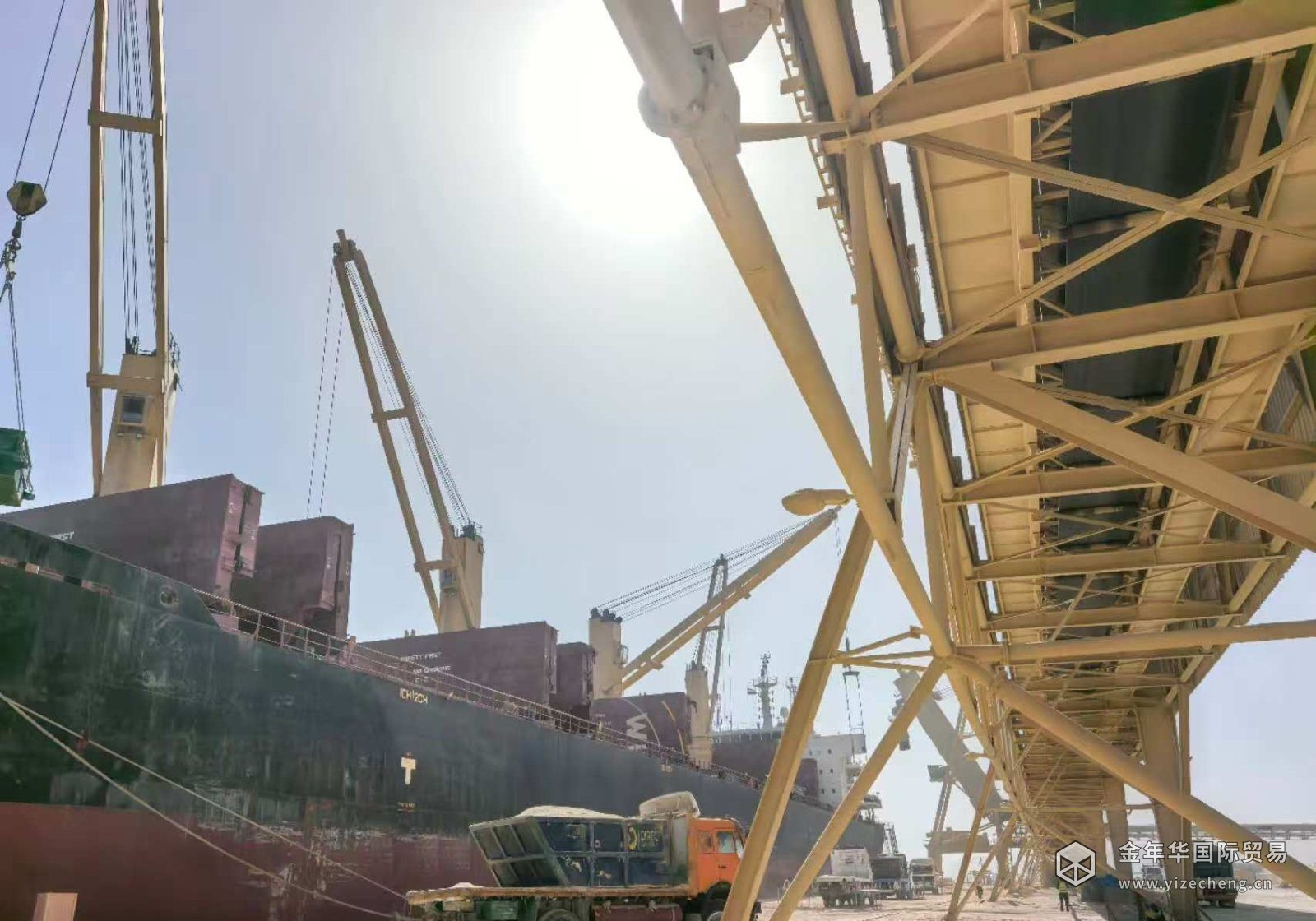
Logistics is the fourth. Freight and routing disruption in the Middle East and Red Sea region continues to add cost and transit time to cargoes moving from North Africa and the Gulf to Asia and the Americas.
The combined effect is a market that softens in price without loosening in availability. Sellers are offering more flexible terms, as they did in early September, but they are not offering more tonnes.
Three: What This Means for Buyers
For importers of rock phosphate and finished phosphates, three practical consequences follow.
The first is that price declines in this market are not a signal to wait. When a benchmark falls because buyers are reluctant rather than because tonnes are available, the downside is capped by the cost floor — and the cost floor is currently being set by sulphur at record levels. Buyers who deferred purchases through the third quarter on the expectation of a larger correction have watched the Indian DAP benchmark fall from roughly USD 900 to USD 925 per tonne and back, without a sustained break.
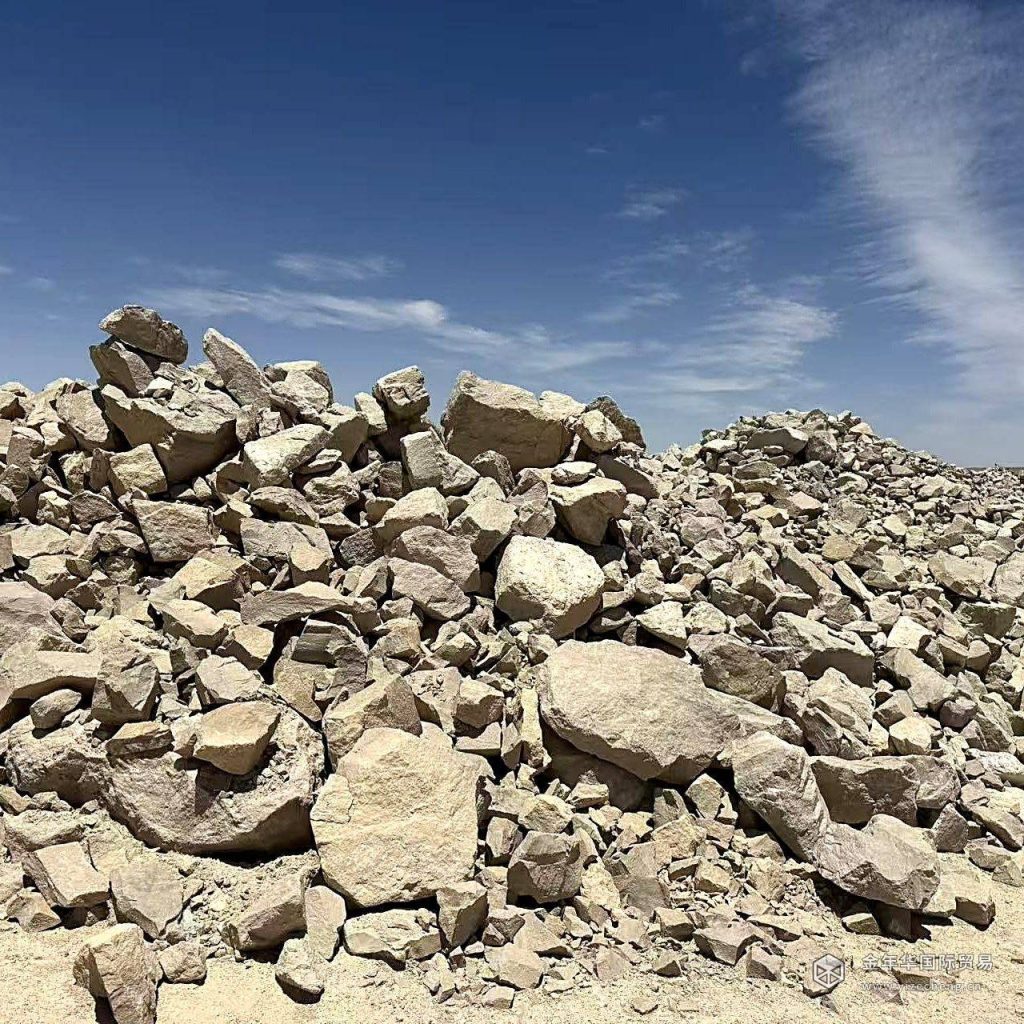
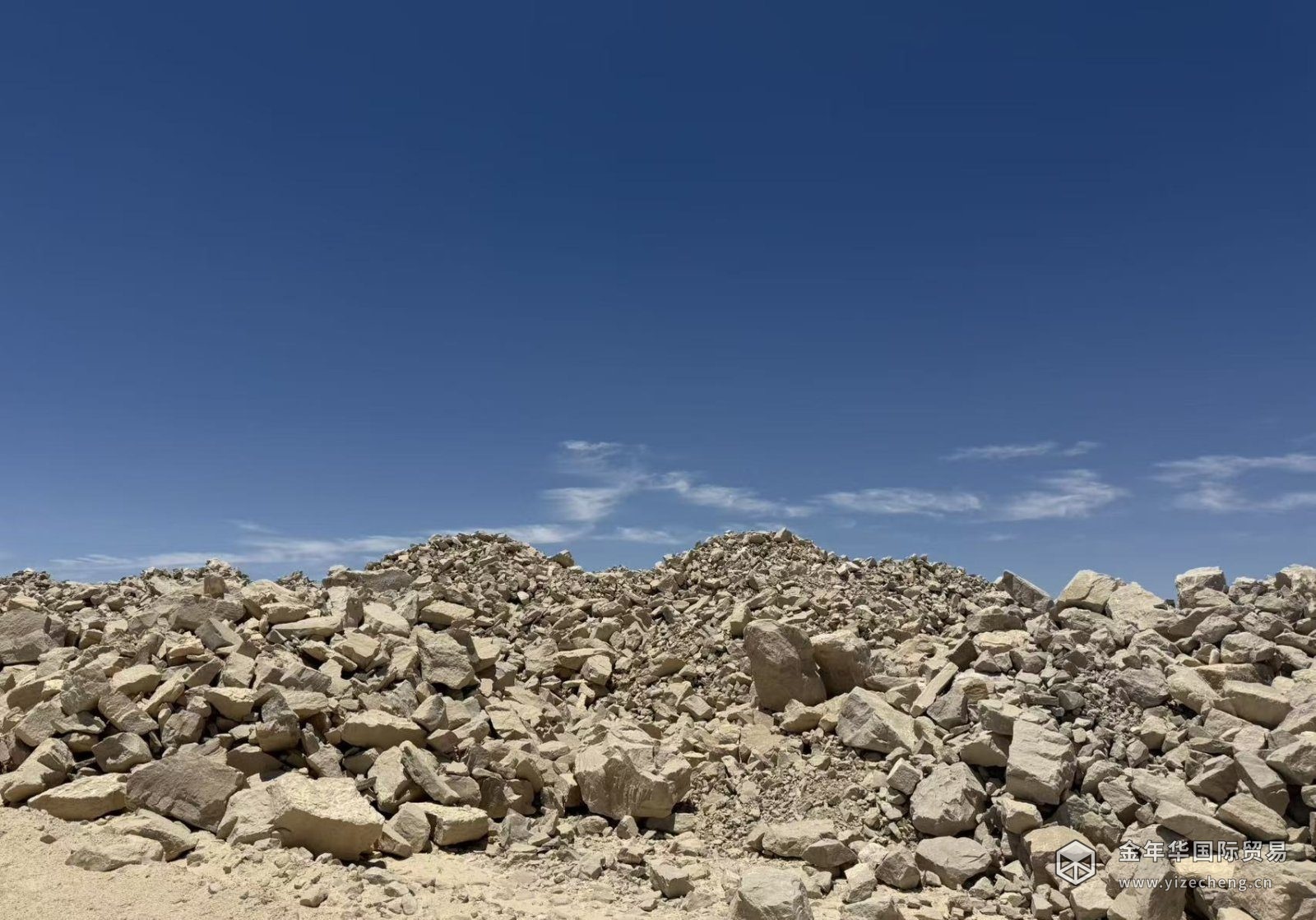
The second is that origin diversification has become a cost issue, not only a risk issue. With export flows from the largest supplier constrained, Mediterranean and Middle Eastern origins carry a scarcity premium that is visible in netbacks. Egyptian phosphate rock and Jordanian phosphate rock sit at the centre of that sourcing map for buyers in Asia, Africa and Europe, and the grades available from each origin determine which blending route is economic.
The third is that specification matters more in a tight market, not less. When suppliers can place tonnes easily, buyers can negotiate on price alone. When they cannot, the terms that get traded are quality tolerances — magnesium and aluminium penalties, moisture adjustments, cadmium declarations. A buyer who has not fixed those parameters in the contract will find them harder to fix once the market is firm.
Looking into the fourth quarter, the variables worth watching are the direction of Chinese export policy, whether sulphur prices break, and how quickly Indian rabi-season purchasing returns to the market. None of the three is under a buyer’s control, which is precisely why the controllable items — specification, origin mix, and the weight and analysis clauses in the contract — deserve attention now. Current grade options and their typical specifications are listed in the product range.
Sources: DTN weekly retail fertiliser survey for the week of 23 September 2026, reported 25 September 2026; international DAP and MAP assessments for early September 2026; Ma’aden second-quarter and first-half 2026 results and revised output guidance. Figures are published market assessments and are not offers or quotations.