

Saudi Arabia’s phosphate position is moving in two directions at once. At Ras Al Khair, construction of the new phosphate fertiliser units is advancing toward commissioning. At the same time, the same producer has cut its diammonium phosphate output for the year and withdrawn its ammonia guidance, because the sulphur it needs to make phosphoric acid is not reliably available at a workable price. For buyers, that combination defines the Gulf’s role for the next two quarters: expanding capacity on paper, constrained tonnes in practice.
One: New Capacity at Ras Al Khair Moves Toward Commissioning
Progress at the Ras Al Khair phosphate fertiliser project became visible in late September. Chinese engineering contractor CNCEC-CC3 reported completing a single-lift installation of the project’s main chimney — a 42.1-metre stack weighing roughly 65 tonnes, lifted together with an operating platform of about 20 tonnes by an 800-tonne crawler crane with a 300-tonne truck crane on tailing duty. The accompanying tail gas absorption tower stands at an elevation of approximately 39 metres, and the chimney shell is built in three sections with a maximum diameter of 5.5 metres.
Steelwork of this kind is a late-stage milestone. A tail gas absorption tower is part of the sulphuric acid train, which means the project is at the point where the acid and fertiliser circuits are being physically tied together rather than merely designed. Ma’aden has stated that Phosphate 3 Phase 1 remains on schedule to begin commissioning by the end of 2026.
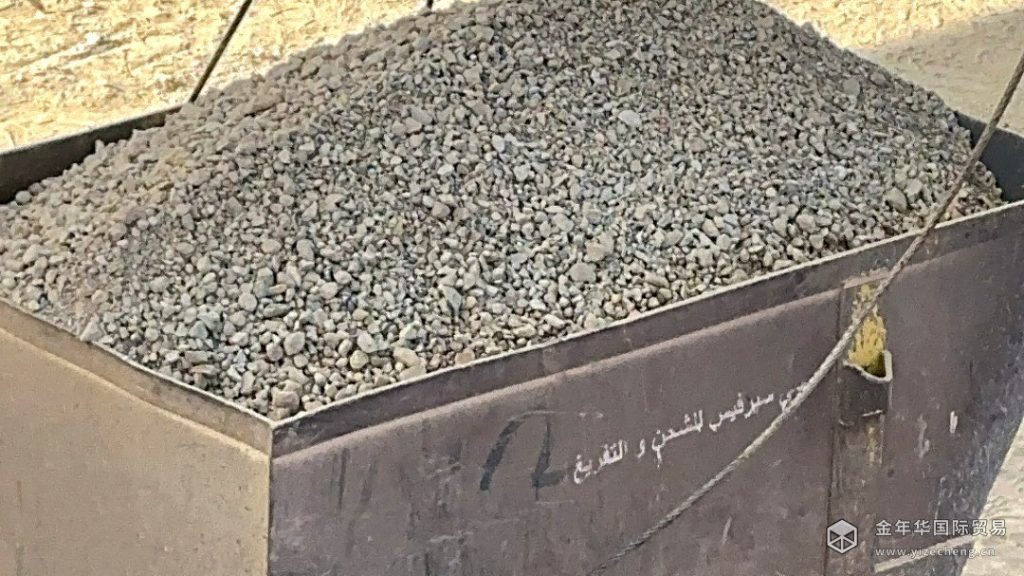
Alongside the construction programme, Ma’aden has also adjusted how it moves product to market. In August, the company agreed to export DAP via Oman, as reported by Argus Media. Routing finished phosphate through Omani ports gives the producer an additional outlet that does not depend on a single domestic logistics chain — a meaningful option in a year when port and freight constraints have repeatedly delayed cargoes across the Gulf and Red Sea region.
Two: The Counterpoint — Sulphur Has Pulled DAP Output Down
The expansion story runs directly against the operating numbers. In its second-quarter and first-half 2026 results, Ma’aden reported phosphate EBITDA of USD 328 million for the quarter, down 49 percent year on year, with the phosphate margin nearly halving to 24 percent. DAP production fell 28 percent and ammonia output dropped 64 percent, both attributed to sulphur supply disruptions and logistics issues.
Realised DAP prices rose 28 percent to USD 863 per tonne over the same period — the price side of the business worked. The volume side did not. The company trimmed its full-year DAP output forecast to 6,000–6,500 kilotonnes and withdrew its ammonia production guidance entirely, citing curtailments by producers in Morocco, the United States, India, Brazil and China as sulphur prices remained near twenty-year highs.
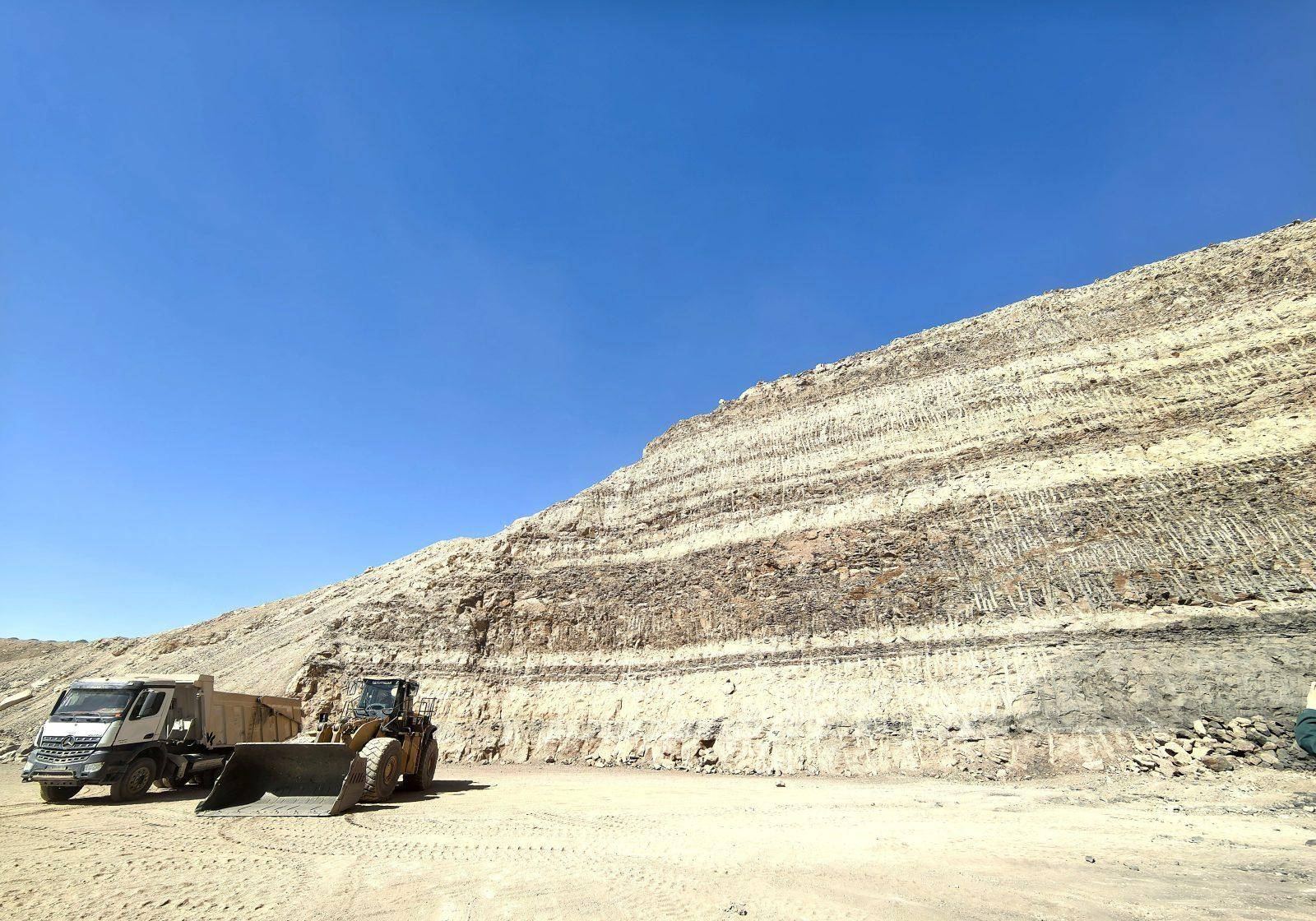
That is the crux for anyone modelling Gulf supply. A phosphate producer’s constraint is rarely the mine. This year it has been the acid train, and the acid train is governed by sulphur. Ma’aden’s phosphate rock output capacity of roughly 11 million tonnes per year does not translate into finished phosphate tonnage if the sulphuric acid units cannot be fed at an economic cost.
Group-level results show the same split from a different angle. Aluminium revenue rose 49 percent in the quarter to USD 1.01 billion with EBITDA more than doubling to USD 411 million, and gold revenue rose 34 percent to USD 523 million, while phosphate earnings halved. The company is financially comfortable — first-half revenue of USD 5.2 billion, up 10 percent, and net profit attributable to shareholders of USD 1 billion — which means the phosphate curtailments are a cost response, not a liquidity one. Those tonnes will come back when sulphur economics allow.

Three: What Gulf Phosphate Expansion Means for Buyers
The first conclusion is that new capacity does not arrive all at once. Commissioning of a fertiliser complex is followed by a ramp-up that routinely takes several quarters, and the units have to run at rates set by acid availability. Buyers who have pencilled in additional Gulf DAP volumes for early 2027 should plan for a gradual build rather than a step change.
The second is that the Gulf’s export routing is becoming more flexible. Shipping DAP through Oman adds an alternative exit for product that would otherwise depend on a single corridor. For buyers in East Africa, India and South Asia, alternative routings generally mean shorter and more predictable transit — but they also mean the commercial terms attached to those cargoes may differ from the established route.
The third is that rock-based sourcing retains its appeal while acid economics are stretched. When finished phosphate supply is constrained by sulphur rather than by ore, buyers able to run their own acidulation have an advantage, and the value of a dependable rock supply becomes more visible. Egyptian phosphate rock and Jordanian phosphate rock both sit within short sea freight distance of the main Mediterranean and South Asian blending markets, which matters when the constraint is cost per tonne of P₂O₅ delivered rather than headline price.
For the next two quarters, the practical watch items are straightforward: whether Ma’aden’s Phosphate 3 Phase 1 commissioning stays on schedule, whether sulphur prices break from their current level, and how quickly the curtailed DAP tonnage returns. All three feed directly into availability rather than price, which is the side of the market that has been doing the work in 2026. Available grades and typical specifications across the origins discussed here are set out in the product range.
Sources: CNCEC-CC3 project report on the Ras Al Khair phosphate fertiliser project, 24 September 2026; Ma’aden second-quarter and first-half 2026 results and revised full-year output guidance; Argus Media report on Ma’aden DAP exports via Oman (August 2026). Figures are as published by the companies and reporting agencies named; they are not offers or quotations.