

There is no single market price for phosphate rock. Two cargoes of the same tonnage can trade at very different numbers because grade, origin, specification and Incoterm all differ. Behind every quote, four lines are working at once: cost, supply, demand and policy. Usually one of them sets the level, while the other three decide how long the move lasts. Start with four questions.
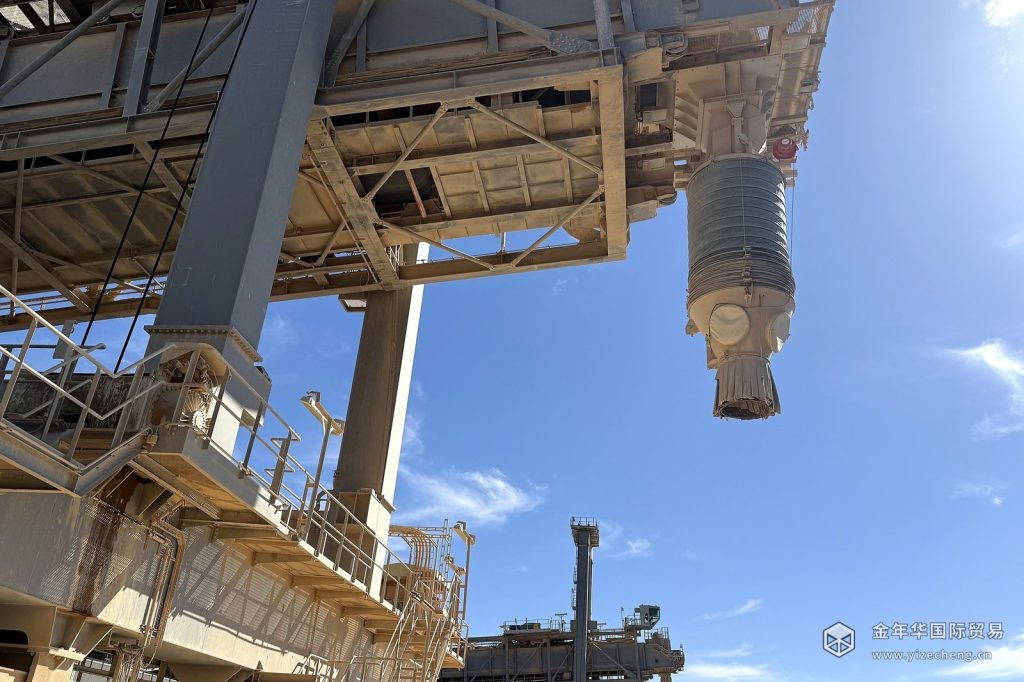
- Cost. What does it take to move rock from the mine gate to your plant gate, and are those inputs rising or falling?
- Supply. Are reserves, mining quotas and new capacity tightening or loosening, and how fast can supply respond to a price signal?
- Demand. Is fertilizer offtake steady, and how much high-grade tonnage is being drawn into battery materials?
- Policy. Have licences, quotas, stockpiling or fiscal measures redirected trade flows?
The four lines rarely point the same way. September 2026 is a good example: softer sulphur was easing fertilizer costs, tighter restrictions on high-grade exports were shrinking freely tradable tonnage, and LFP cathode schedules were pulling high-grade rock away from the fertilizer chain. Three different forces produced one visible outcome: a flat rock price with a widening grade premium. The practical lesson is to attribute a move before acting on it.
Buyers also need their specification baseline settled before comparing anything. The grades, specifications and origins set out on our product pages are the reference point we use when we discuss volumes with buyers.
The Cost Line: Mine Gate to Plant Gate
A delivered phosphate cost has five layers, and the middle one moves fastest.
- Mine-gate cost. Mining, beneficiation, safety and environmental compliance. As high-grade reserves deplete, pits go deeper and unit costs trend upward.
- Inland haulage and loading. Pit to port, or pit to stockpile.
- Ocean freight and insurance. On import trades this can swing from a minor line item to the dominant one.
- Port and destination charges. Handling, discharge, haulage, customs, duties and taxes.
- Financing. Letter-of-credit or remittance timing, plus the cost of carrying inventory.
Freight is the layer with the widest range. When rates are low, ocean freight is a small share of the landed number. When rates spike, freight can absorb the entire advantage of a cheap FOB price. A round of freight increases in mid-September 2026 squeezed landed costs on imported material, which is why the same cargo can look competitive one month and uncompetitive the next without any change at the mine gate.
Two transmission channels are easy to miss. The first is sulphur and sulphuric acid, the core reagent cost in wet-process phosphoric acid: a sulphur spike raises the cost of phosphate products and changes what the market will pay for rock. The second is currency: most rock is quoted in US dollars, so an exchange-rate move changes your converted cost even when the rock price itself is unchanged.
Before comparing any two offers, align the Incoterm. FOB, CFR and CIF cover very different cost segments, so the same per-tonne figure is not comparable across terms. Convert everything to one basis, whether that is CIF at your discharge port or delivered-to-plant cost, and only then decide who is cheaper. Public price references on our market watch page are useful for trend, but they are reference data, not offers.
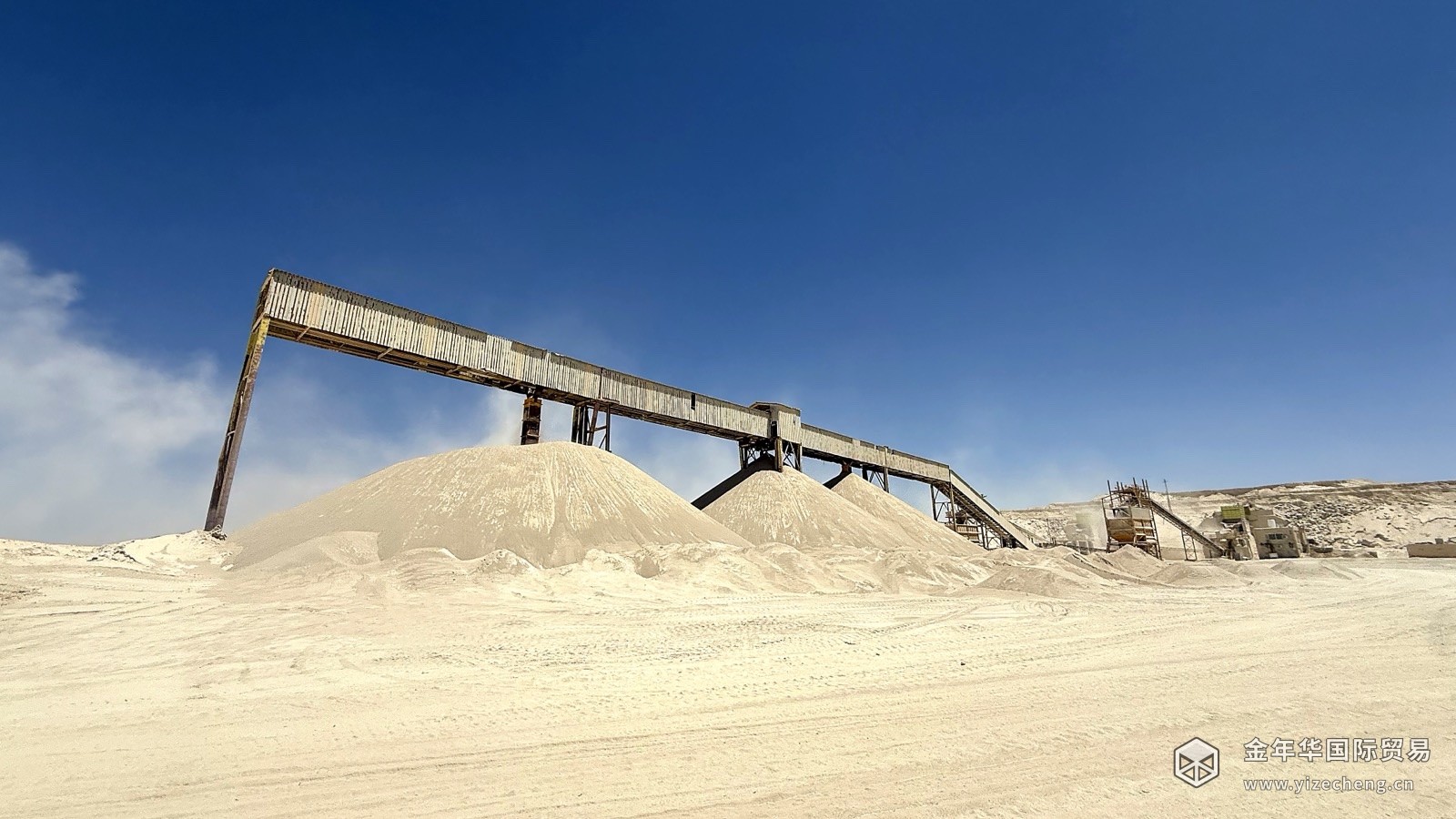
The Supply Line: Concentrated Origins, Quotas and Long Lead Times
Supply has three features that do not change quickly.
- Concentrated reserves. Morocco, China, Jordan and Egypt sit among the origins that matter most in seaborne trade. A marginal change from any one of them moves the whole balance.
- Quota-locked output. Major producers are tightening control of what leaves the ground and what leaves the country. China added phosphate rock to its national strategic minerals catalogue in 2026, alongside lithium, cobalt and rare earths, with annual mining quotas, tighter licensing for new standalone mines and high-grade ore directed to domestic processing first. When a producer of that scale restricts supply, global availability tightens with it.
- Long lead times. A new mine takes years from exploration to first shipment. Supply is inelastic in the short run: prices can rise for a long time before tonnage responds, and when prices fall, producers tend to hold back rather than chase the market down.
For buyers sourcing from Egypt and Jordan, origin concentration cuts both ways. There is consistent quality and reliable volume, but also exposure to a single port, a single shipping lane or a single policy decision. Background on grades, loading ports and typical impurities is on our Egyptian phosphate rock and Jordanian phosphate rock pages.
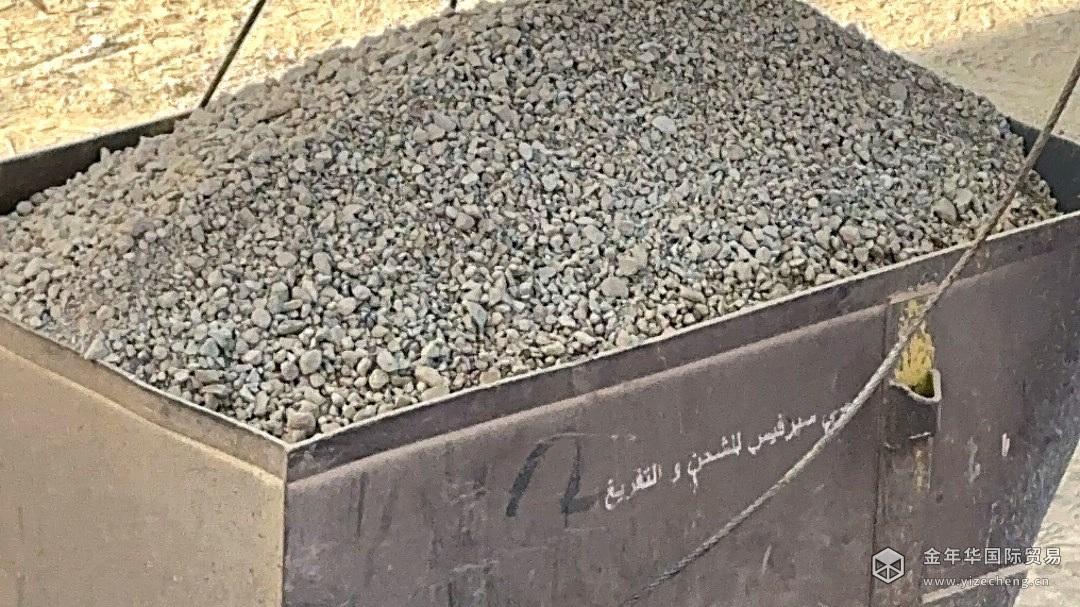
The Demand Line: A Fertilizer Base Plus a Grade Premium
Demand runs on two tracks.
The base is fertilizer. Fertilizer remains phosphate rock’s largest downstream use, and agricultural demand is seasonal: planting and pre-season restocking stretch and relax procurement through the year. Annual volumes are relatively stable, which is what gives rock its price floor. When fertilizer plant operating rates fall, rock procurement slows within weeks.
The increment is lithium iron phosphate (LFP). LFP cathode production consumes high-grade rock, and battery plus storage growth diverts a share of high-grade tonnage away from the fertilizer chain. The visible result is a widening grade premium. Rock at 30% P2O5 and rock at 28% no longer move together, and a single “average rock price” explains less every quarter.
How to use this: if your process is grade-sensitive, such as purified phosphoric acid, phosphates or fine phosphorus chemicals, track high-grade rock specifically rather than a blended index. Where grade tolerance is wider, watch for value windows in mid-grade material. Larger buyers normally keep separate ledgers and separate purchasing rhythms for high-grade and mid-grade streams.
The Policy Line: Licences, Quotas and Stockpiles
Policy delivers the sharpest short-term shocks of the four lines.
- Export side. Licence and annual-quota regimes change availability immediately. China’s phosphate fertilizer exports resumed normalised filing on 1 September 2026 after a period of tighter control. Egypt has moved to restrict raw phosphate exports and steer capacity into local processing, which reduces freely tradable tonnage in international markets.
- Import side. Tariffs, VAT, clearance and inspection rules at destination shape landed cost rather than the international price itself. The same cargo can land with a double-digit percentage cost difference depending on the port of entry.
- Stockpiling and supply guarantees. Strategic reserves are used to smooth abnormal spikes, and several producer and consumer countries run phosphate-related security-of-supply mechanisms.
On the procurement side, the window one to two months before a policy event is the risk window. Confirming executability, documentation and delivery schedules with suppliers ahead of that window protects more margin than negotiating the last dollar afterwards. Contracts that true up costs only once a year leave the buyer carrying all of the peak-window volatility.
Reading a Phosphate Rock Price Trend: A Three-Step Method and a Buyer’s Checklist
Three steps keep a phosphate rock price trend readable.
- Decompose the quote. Split any offer into rock price, ocean freight, port charges and financing. Track each part against its own benchmark: origin price for rock, route indices for freight, local agents for port costs, your own book for financing.
- Map the move to a line. Is this cost, meaning sulphur, freight or currency? Supply, meaning a quota or a project delay? Demand, meaning fertilizer or battery restocking? Or policy, meaning a licence or quota change?
- Separate shock from trend. Slow variables such as mining quotas and capacity under construction set the trend. Fast variables such as maintenance, weather and route disruption set the volatility. Keep the two in separate columns, or you will mistake a short disruption for a turning point.
A phosphate rock price forecast from a public series, such as the World Bank commodity outlook, is a useful external cross-check. Treat it as reference data with a stated publication date, not as a quote, and be careful not to mix series with different statistical bases.
Buyer’s checklist:
- Confirm the Incoterm and the named port, then convert all quotes to a single basis before comparing.
- Verify grade (P2O5) and impurities against a recent assay. Comparing tonnes without certificates is not a comparison.
- Log contract prices and spot prices separately, and track them separately.
- Break out freight, port charges and taxes so that a low rock price with high freight cannot hide inside one number.
Four traps to avoid:
- Treating one quote, at one time, for one specification as the market price. Phosphate rock quotes are too heterogeneous for that.
- Chasing abnormally low offers. They usually mean a lower specification, off-spec impurities or an unverifiable cargo. Ask for the latest assay.
- Underestimating policy windows. Filing suspensions, licence switches and quota adjustments all raise volatility, so leave headroom in the schedule.
- Acting on a headline before attributing the cause. A cost-driven spike and a sentiment-driven spike call for different responses.
The four lines fit into one sentence: cost sets the floor, supply sets the elasticity, demand sets the direction, and policy sets the tempo. Decompose the quote, attribute the move, and write the adjustment mechanics into your contracts. That discipline pays in any market.